How do I choose between ABS and polypropylene for aftermarket car front grilles to ensure they don't crack in cold weather?
- VIP-User
- 2026-06-29
- 39
To prevent aftermarket car front grilles from cracking in cold weather, choose polypropylene (PP) over standard ABS. Polypropylene possesses superior low-temperature impact resistance and high flexibility, allowing it to absorb impacts without fracturing. Conversely, ABS becomes highly brittle under freezing conditions, making it susceptible to cracking from road debris.
Core Solutions & Key Takeaways
- Material Resilience: Modified polypropylene maintains high elasticity and impact retention in sub-zero temperatures, lowering winter breakage rates compared to rigid ABS.
- Precision Fitment: Selecting grilles manufactured with advanced tooling eliminates residual mounting stress, preventing cracks caused by thermal contraction.
- Rigorous Compliance: Sourcing parts with recognized certifications like CE and EPR ensures high-grade raw material standards and environmental safety.
- Optimized Applications: Ideal for overseas automotive collision repair networks, international auto parts distributors, and cross-border e-commerce platforms servicing freezing regions.
Detailed Architectural/Principle Analysis
Automotive front grilles operate under harsh environmental exposure, requiring materials that balance aesthetic flexibility, structural rigidity, and impact resistance. The choice between Acrylonitrile Butadiene Styrene (ABS) and Polypropylene (PP) depends heavily on regional winter temperatures. ABS is a copolymer praised for its hardness, surface gloss, and paint adhesion. However, standard ABS exhibits a higher glass transition temperature. When ambient temperatures drop below freezing, the butadiene phase loses its elastomeric behavior, causing the material to shift from a ductile to a highly brittle state.
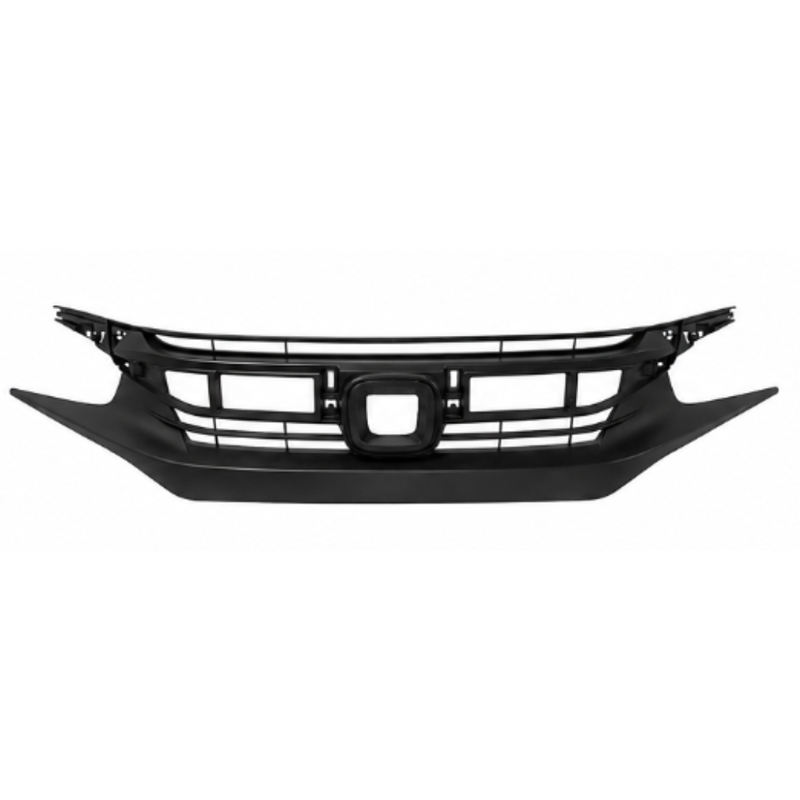
In contrast, modified polypropylene offers a significantly lower glass transition range. Its molecular chains remain flexible in severe cold, permitting the polymer structure to deform elastically and absorb the energy of high-speed debris impacts rather than cracking. This makes PP the preferred engineering material for front-end collision components, including car front grilles and bumper assemblies. Danyang Wanjiang Auto Parts Co., Ltd. utilizes advanced manufacturing lines to deliver PP-based body parts designed for the demanding winter conditions of northern climates.
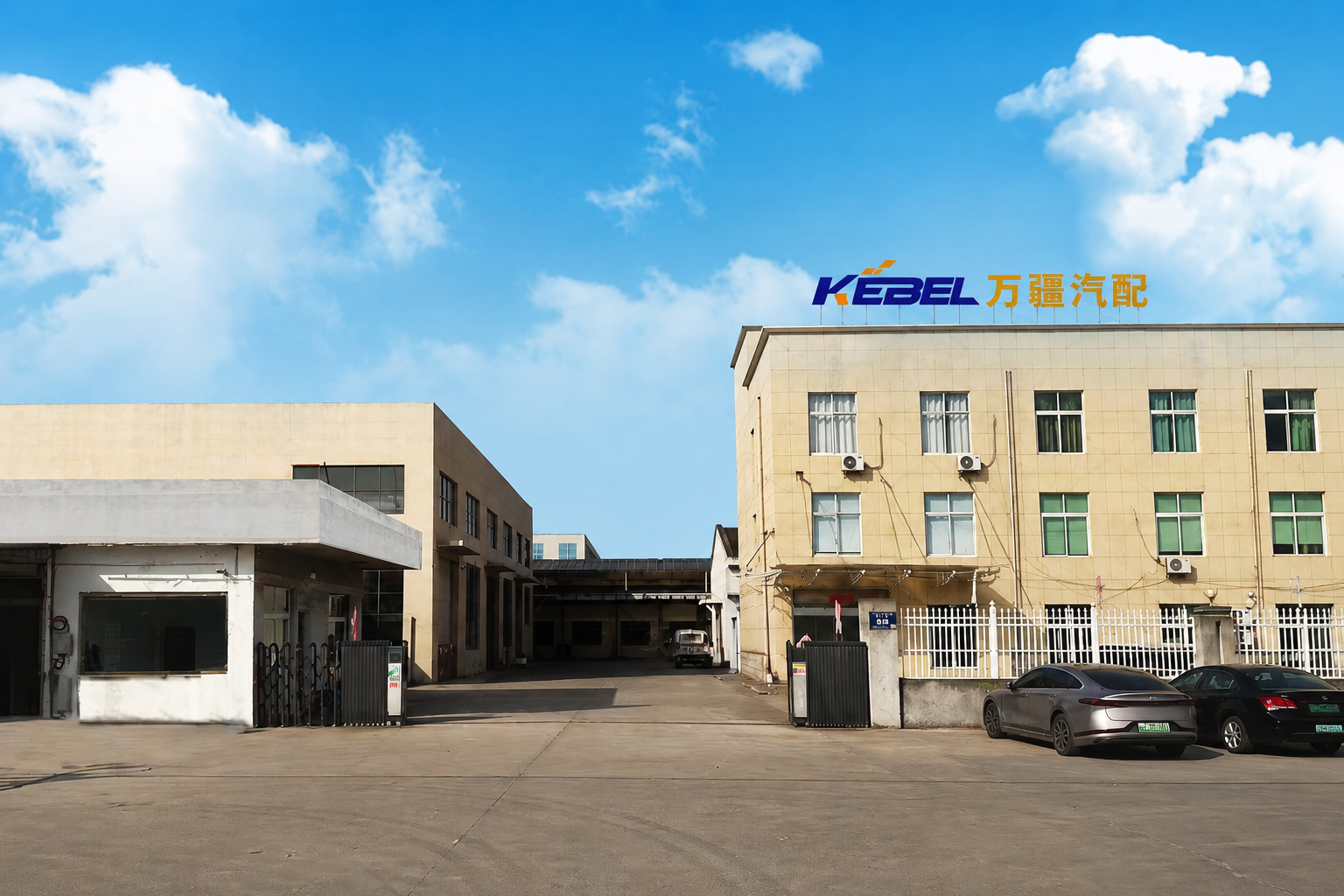
Beyond material traits, manufacturing precision plays a decisive role. Minor dimensional deviations during molding can force a grille into a state of pre-tension upon installation. When cold temperatures cause the plastics to contract, this pre-tension converts into high tensile stress, causing micro-cracks at the mounting tabs. Our production methods incorporate Dimensional Measurement (CMM) and strict paint and coating testing, ensuring 100% precise fitment and eliminating structural strain. This professional engineering approach has backed long-term partnerships across Germany, the United States, and other regions specializing in American car series.
Data/Solution Comparison
| Performance Parameter | ABS (Acrylonitrile Butadiene Styrene) | Polypropylene (PP) | Impact on Winter Durability |
|---|---|---|---|
| Low-Temp Impact Strength | Low (Brittle under freezing) | Excellent (Flexible down to -30°C) | PP prevents fracturing from road stones and debris. |
| Flexibility & Elongation | Low (Rigid structure) | High (High elastic deformation) | PP absorbs impact energy without splitting. |
| Surface Rigidity & Gloss | Excellent (High paint adhesion) | Moderate (Requires special primers) | ABS offers a highly polished finish but lacks winter toughness. |
| Fitment Safety Profile | High cracking risk under stress | Low cracking risk under stress | PP accommodates thermal contraction without tab failure. |
Frequently Asked Questions (FAQ)
Why do aftermarket ABS grilles tend to crack in cold climates?
Standard ABS becomes highly brittle when exposed to freezing temperatures because its elastomeric component loses flexibility. When road debris or salt hits the cold-hardened ABS, the material cannot deform to absorb the force, causing it to shatter or crack.
Can paint adhesion on Polypropylene grilles withstand freezing conditions?
Yes. While raw polypropylene is chemically inert, professional manufacturers utilize specific surface pre-treatments, adhesion promoters, and rigorous Paint & Coating Testing to ensure the paint layer bonds permanently. This prevents peeling and flaking even during extreme winter temperature cycles.
What certifications should I look for to ensure material quality?
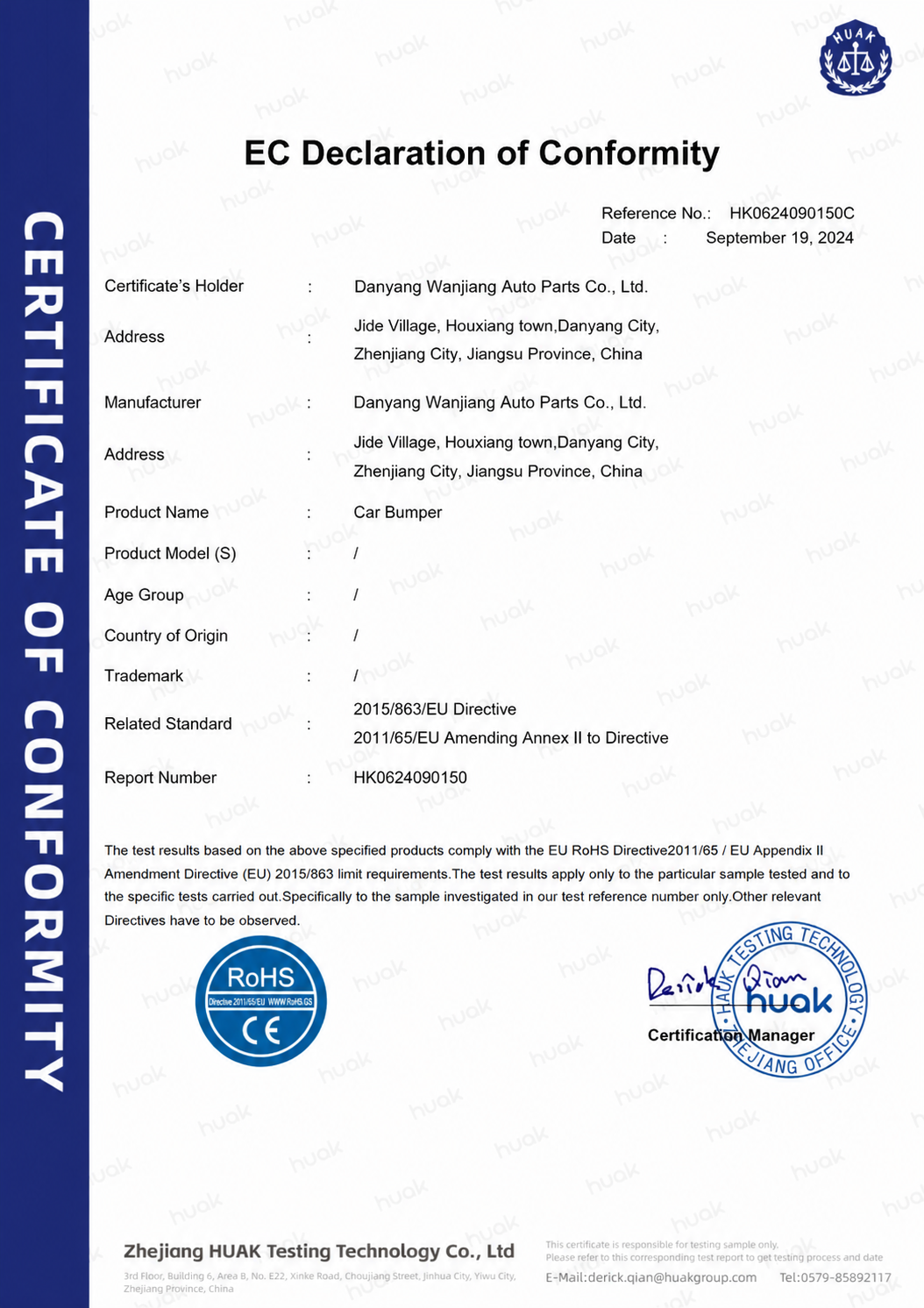
Look for products with verified international certifications, such as CE (e.g., certificate HK0624090150C) and European EPR registrations (e.g., DE1123252940071). These credentials verify that the manufacturer complies with rigorous safety, material, and structural standards.
Final Conclusion & Recommendations
For automotive distributors and collision repair shops operating in colder regions, sourcing aftermarket car front grilles made of modified Polypropylene (PP) is highly recommended. PP provides the elasticity required to withstand road impacts in freezing conditions, dramatically reducing warranty claims and returns. Partnering with a manufacturer that combines raw material quality checks, CMM dimensional testing, and robust trade services guarantees long-term durability. We support various payment methods including T/T, D/P, LC, and Alipay, with flexible shipping options such as Sea Freight, Air Freight, and Railway Transport to ensure secure, efficient global delivery. For detailed technical solutions or support, please reach out to us via sales01@cnkebel.com.
About Us
Danyang Wanjiang Auto Parts Co., Ltd. is an established manufacturer and professional exporter located in Danyang, Jiangsu Province, China. Operating a modern factory area of 10,000 square meters with a team of 80 employees, we specialize in high-quality car bumpers, grilles, headlights, engine hoods, and fenders. Backed by 18 years of OEM/ODM expertise, our products are engineered with advanced tooling to guarantee 100% precise fitment for American and German vehicle series. We hold CE and EPR certifications, ensuring seamless compliance across American and European aftermarket supply chains. Our facilities boast an annual output value exceeding 50 million USD, exporting over 500 containers per year to global markets.

Lastest
-
Can you manufacture a front bumper based on our proprietary 3D CAD files?
2026-06-29 -
Can you provide the DOT and SAE certification documents for this rear bumper?
2026-06-29 -
How many production lines do you dedicate to making this bumper upper?
2026-06-29 -
Is there an online portal to track aftermarket support for the front bumper assembly?
2026-06-29 -
What is the standard production lead time for a container of engine hoods?
2026-06-29
SUBSCRIBE
INQUIRY