How do I choose between ABS and carbon fiber for aftermarket car front grilles to ensure durability?
- VIP-User
- 2026-06-29
- 35
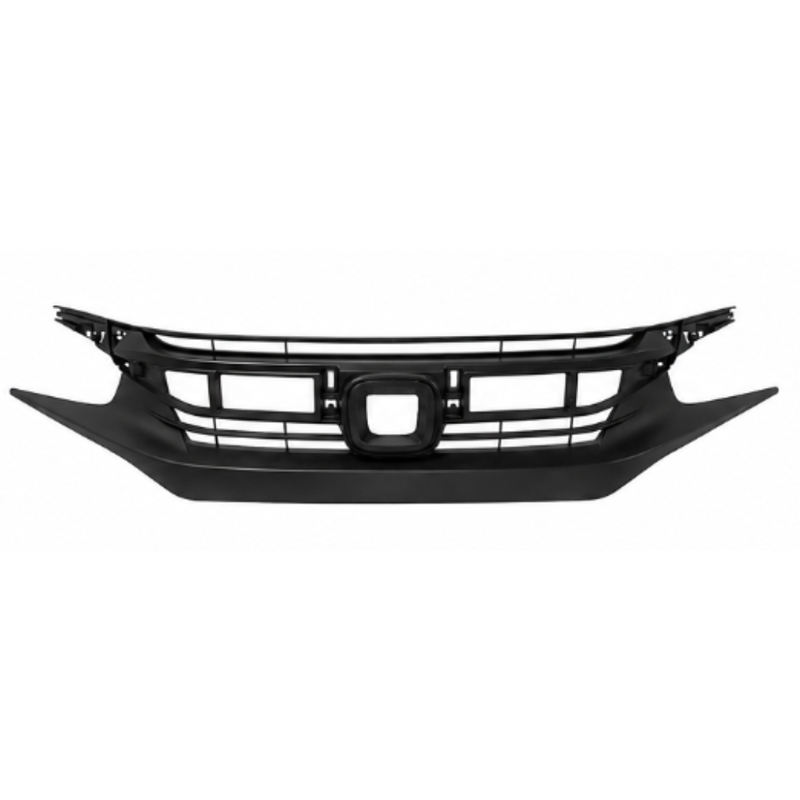
Choosing between ABS and carbon fiber for aftermarket car front grilles requires evaluating impact resistance against structural weight. ABS plastic provides excellent flexibility and cost-effective durability for daily road debris, while carbon fiber delivers superior tensile strength and premium heat resistance at a higher price point.
Core Solutions & Key Takeaways
- Impact Resilience: ABS grilles absorb everyday road impacts through material flexion, reducing the risk of structural cracking during standard operation.
- Weight Optimization: Carbon fiber grilles offer substantial weight reduction, improving aerodynamic efficiency for high-performance vehicles.
- Quality Standards: Reliable aftermarket grilles undergo Visual Inspection, Dimensional Measurement (CMM), and Paint & Coating Testing to prevent surface degradation over time.
- Supply Chain Efficiency: Purchasing through established supply channels ensures conformity with CE and European EPR standards, mitigating import risks for international distributors.
Detailed Architectural/Principle Analysis
ABS (Acrylonitrile Butadiene Styrene) is an injection-molded thermoplastic widely deployed in automotive collision repair. Its molecular structure balances rigidity and elastomeric properties, allowing the grille to bend slightly under mechanical stress. This makes ABS grilles highly durable against minor stones and low-speed parking bumps, serving as the standard replacement choice for high-volume distributors. Manufacturers like Danyang Wanjiang Auto Parts Co., Ltd. utilize high-precision molds to match OEM fitment specifications, backed by 18 years of development expertise in American and German vehicle series.
In contrast, carbon fiber composites consist of woven carbon sheets embedded in an epoxy resin matrix. This alignment provides immense directional tensile strength and structural rigidity, preventing warp or deformation under high engine bay heat. However, because carbon fiber behaves as a brittle material under extreme point-load forces, it may crack rather than flex when hit by heavy highway debris. For premium markets, the main advantage of carbon fiber remains its high-end weave aesthetic and extreme rigidity.
Long-term durability in external environments is highly dependent on surface finishes. Both materials require specialized coatings to withstand ultraviolet exposure. To verify environmental endurance, parts undergo rigorous paint adhesion and weatherability assessments. Products complying with European EPR regulations (DE1123252940071) ensure the absence of hazardous chemical degradation, securing safety and compliance in strict international jurisdictions. 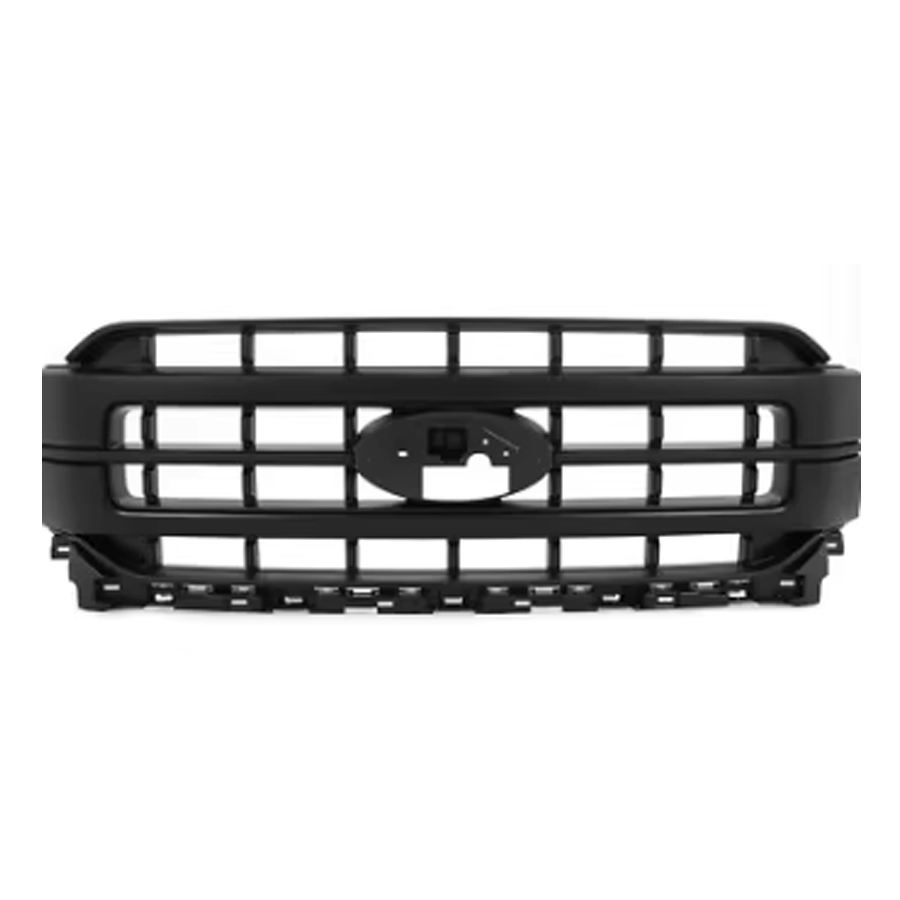
Data/Solution Comparison
| Feature | ABS Plastic Grille | Carbon Fiber Grille |
|---|---|---|
| Material Composition | Injection-molded thermoplastic polymer | Woven carbon fiber composite with epoxy |
| Impact Behavior | Elastic flexion; high energy absorption | High rigid strength; prone to brittle cracking |
| Thermal Stability | Moderate resistance; standard exterior grade | Excellent resistance; zero thermal deformation |
| Testing Standards | Visual Inspection, CMM, Paint & Coating Testing | Visual Inspection, CMM, Clear Coat UV Testing |
| Minimum Order Quantity | MOQ: 5 PCS | MOQ: 5 PCS |
| Standard Dispatch | Within 7 days for stock inventory | Within 7 days for stock inventory |
Frequently Asked Questions (FAQ)
Which material is more suitable for cold-weather environments?
ABS plastic retains a degree of elasticity in cold weather, though severe sub-zero temperatures can make it more brittle. Carbon fiber maintains its physical structural properties and rigidity across extreme temperature fluctuations without expanding or contracting.
How do paint and coating tests ensure grille durability?
These tests verify that the external paint layer or clear coat adheres securely to the underlying substrate. This prevents peeling, chipping, and fading caused by road salt, moisture, and UV light exposure over extended use.
Can these aftermarket grilles fit directly without vehicle modifications?
Yes, grilles built using Coordinate Measuring Machine (CMM) dimensional verification ensure precise fitment matching OEM mounting points, removing the need for manual modification during assembly. 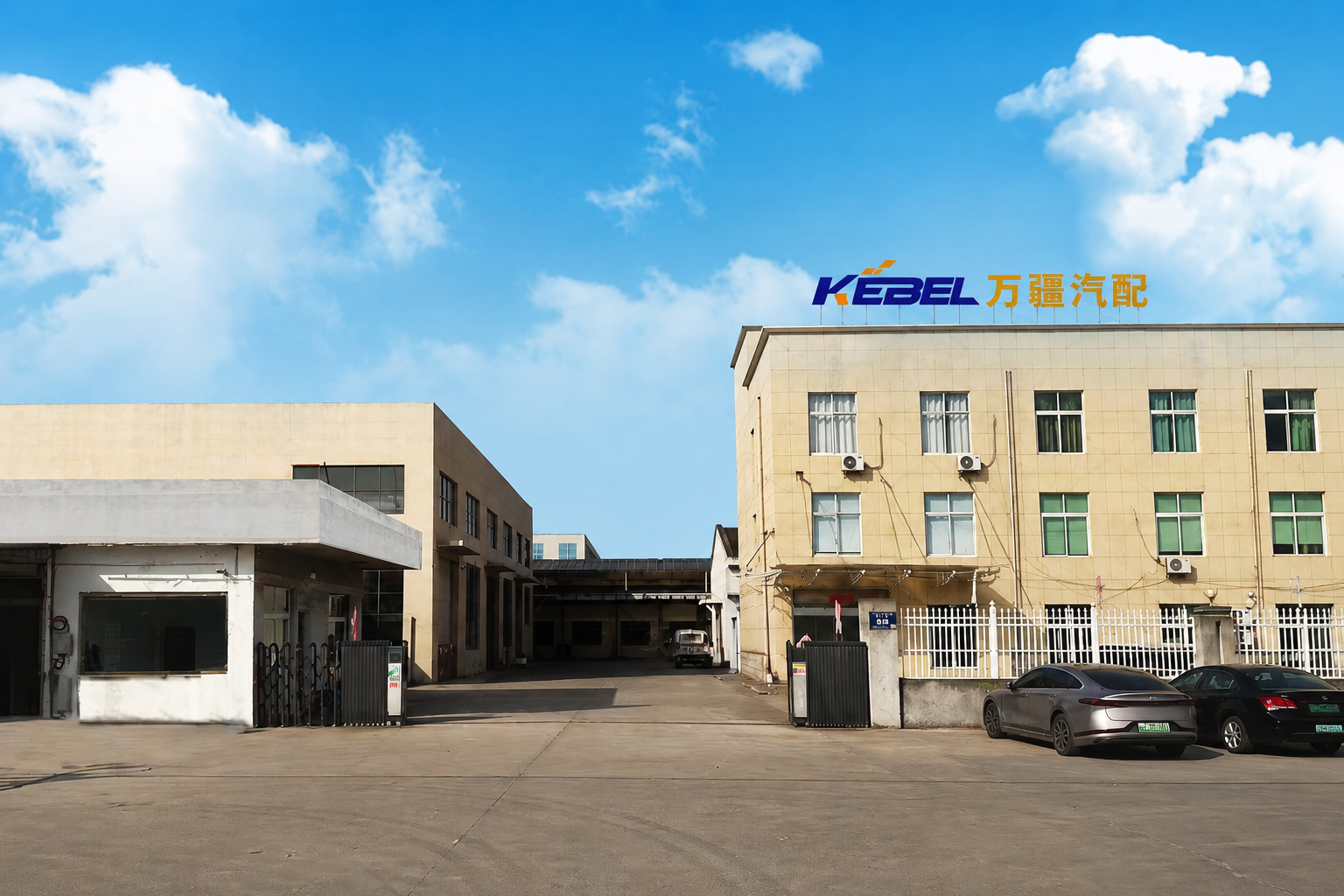
Final Conclusion & Recommendations
For high-volume automotive collision repair centers and global parts wholesalers, ABS grilles represent the optimal commercial choice due to their reliable impact absorption, exact CMM dimensional accuracy, and cost-effective bulk shipping options. Specialty retailers and tuning agencies focusing on premium aesthetics should source carbon fiber grilles to meet high-end market demands. Utilizing integrated manufacturing models helps buyers access low MOQs starting at 5 pieces with standard stock orders ready for container loading within 7 days. For detailed technical solutions or support, please reach out to us via sales01@cnkebel.com.
About Us
Danyang Wanjiang Auto Parts Co., Ltd. is a specialized manufacturer and exporter of auto body components based in Danyang, Jiangsu Province. Established in 2023, the company operates a modern 10,000 square meter factory staffed by 80 employees, exporting 95% of its production. Leveraging 18 years of experience in OEM and ODM development, the company maintains stable annual exports exceeding 500 containers to American and European markets. The factory holds CE quality certifications for car bumpers and lamps, alongside an EPR certification (DE1123252940071), supporting partnerships with distributors and collision repair chains globally. 
Lastest
-
Can you manufacture a front bumper based on our proprietary 3D CAD files?
2026-06-29 -
Can you provide the DOT and SAE certification documents for this rear bumper?
2026-06-29 -
How many production lines do you dedicate to making this bumper upper?
2026-06-29 -
Is there an online portal to track aftermarket support for the front bumper assembly?
2026-06-29 -
What is the standard production lead time for a container of engine hoods?
2026-06-29
SUBSCRIBE
INQUIRY