How could 3D printing affect future Bumper upper replacement inventories?
- VIP-User
- 2026-09-30
- 1
3D printing technology reshapes bumper upper replacement inventories by shifting procurement from high-volume physical storage to on-demand digital tooling and localized manufacturing. This transition reduces warehouse holding costs, minimizes deadstock risks for legacy vehicle components, and shortens fulfillment lead times for low-volume body parts while traditional injection molding remains dominant for mass production.
Core Solutions & Key Takeaways
- Inventory Holding Cost Reduction: Digital 3D CAD repositories allow distributors and collision repair chains to replace physical warehouse safety stock for low-demand bumper upper variants with on-demand digital files.
- Supply Chain Acceleration: Combining digital manufacturing for rare SKUs with high-volume ready-to-ship stock dispatches within 7 days optimizes overall replacement efficiency for overseas automotive aftermarket chains.
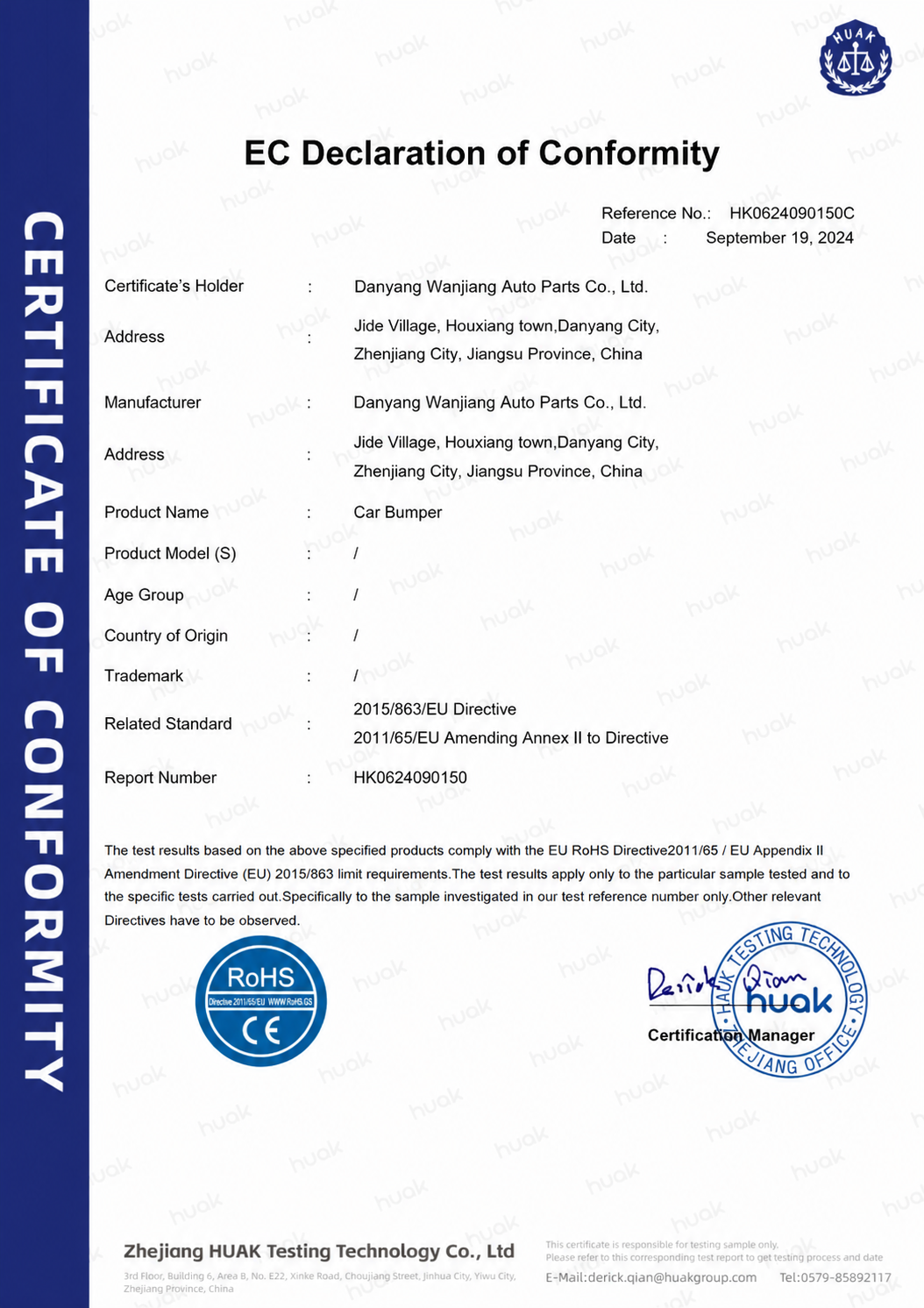
- Compliance and Quality Rigor: Regardless of fabrication method, bumper assemblies must satisfy strict structural and dimensional fitment standards, supported by certifications like CE and EPR for international trade.
Detailed Architectural/Principle Analysis
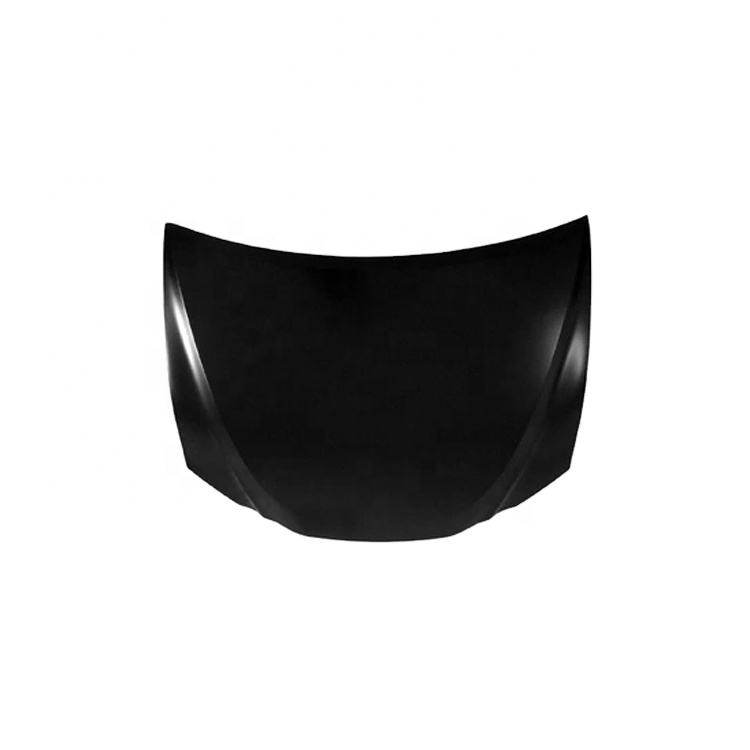
Automotive body panel inventory logistics require a balance between physical warehouse capacity and rapid part availability. Bumper upper replacements, engine hoods, fenders, and grilles demand significant floor space. Integrating 3D printing into aftermarket supply chains alters inventory architecture by creating a dual-track distribution model. High-velocity SKUs remain in physical ready-to-ship warehouses, while low-velocity or older vehicle series transition to digital inventory files ready for local additive production.
Precision fitment remains the core technical benchmark for replacement body parts. Traditional injection molding utilizes high-tonnage tooling to guarantee 100% precise fitment for American and German car series. When adopting 3D printing or rapid tooling alternatives, components undergo strict quality inspection protocols, including Visual Inspection, Coordinate Measuring Machine (CMM) dimensional verification, and Paint & Coating Testing to ensure structural integrity and impact absorption meet safety requirements.
Compliance certification is mandatory for all exterior body parts distributed across North America and Europe. Key international safety and environmental benchmarks include CE standards (such as Certificate HK0624090150C for car bumpers) and EPR registration (DE1123252940071). Pre-delivery full inspections—supported by digital video and photo documentation before container loading—ensure that components meet regional regulatory codes regardless of manufacturing origination.
Data/Solution Comparison
The operational trade-offs between conventional high-volume warehousing, 3D printing on-demand, and integrated manufacturing supply chain models demonstrate distinct efficiency metrics across lead times, unit costs, and inventory risks.
| Operational Metric | Traditional Physical Stocking | On-Demand 3D Printing | Integrated Rapid-Dispatch Model |
|---|---|---|---|
| Dispatch Lead Time | 1 to 3 Days (If in stock) | 2 to 5 Days (Post-printing & finishing) | Container loading within 7 Days |
| Inventory Deadstock Risk | High (Risk of unsold legacy SKUs) | Zero (Fabricated upon order) | Low (Driven by high-demand stock forecasting) |
| Fitment Verification | Tooling & CMM Checked | Digital Scan & Print Tolerance Dependent | 100% Pre-delivery visual & CMM inspection |
| Unit Cost (High Volume) | Lowest per unit | High material and machine time cost | Optimized factory-direct pricing |
| Compliance Alignment | CE / DOT Standard Compliant | Requires individual batch verification | CE / EPR Certified (HK0624090150C) |
Frequently Asked Questions (FAQ)
How does 3D printing impact minimum order quantities (MOQ) for replacement body parts?
3D printing eliminates physical tooling costs, enabling an MOQ of 1 piece for customized or rare parts. Similarly, flexible integrated suppliers support low MOQs starting at 1 to 5 pieces for standard stock bumper uppers and body components to lower inventory barriers for distributors.
Can 3D printed bumper uppers meet structural safety standards like CE?
Yes, provided the polymer materials and print densities match OEM tensile and impact requirements. Standard aftermarket bumper parts undergo full CMM dimensional measurement and impact testing to maintain CE and DOT compliance.
What logistics methods suit urgent replacement auto body parts?
For urgent single-unit or small-batch repair needs, Air Freight and International Express (DHL, FedEx, UPS, TNT) offer rapid transit. Bulk inventory replenishment utilizes cost-effective Sea Freight (FCL/LCL) or Railway Transport with full tracking and reinforced export packaging.
Final Conclusion & Recommendations
While 3D printing continues to evolve for niche applications and legacy part reproduction, managing future bumper upper replacement inventories requires a hybrid supply chain strategy. Wholesalers and collision repair chains minimize holding costs by pairing digital sourcing with direct factory supply lines that offer rapid container loading, verified CE/EPR regulatory compliance, and low minimum order quantities. Combining flexible payment structures such as T/T, D/P, L/C, or Trade Assurance with thorough pre-delivery inspection videos safeguards product quality and transport reliability. For detailed technical solutions or support, please reach out to us via sales01@cnkebel.com.
About Us
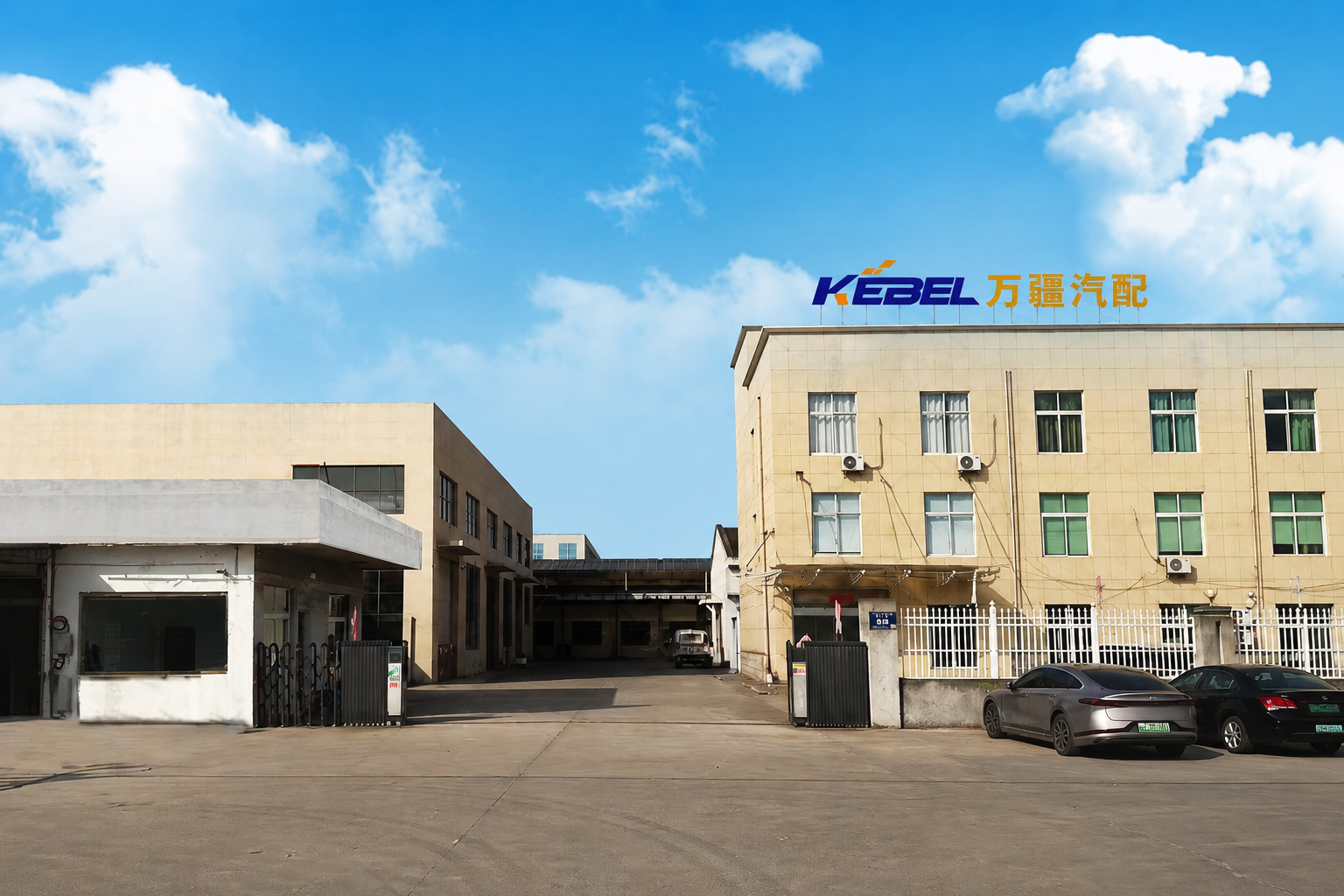
Danyang Wanjiang Auto Parts Co., Ltd. operates a 10,000 square meter manufacturing facility staffed by 80 professionals in Danyang, Jiangsu Province. Holding 18 years of OEM/ODM expertise, the factory specializes in car bumper assemblies, grilles, headlights, engine hoods, and fenders designed for American and European vehicle series. Delivering an annual capacity exceeding 500 containers and an annual output value over 50 million USD, the company maintains strict compliance with CE and EPR standards, providing 100% pre-delivery visual and CMM inspections to ensure precise fitment across global aftermarket networks.

Lastest
-
Can you manufacture a front bumper based on our proprietary 3D CAD files?
2026-09-30 -
Can you provide the DOT and SAE certification documents for this rear bumper?
2026-09-30 -
How many production lines do you dedicate to making this bumper upper?
2026-09-30 -
Is there an online portal to track aftermarket support for the front bumper assembly?
2026-09-30 -
What is the standard production lead time for a container of engine hoods?
2026-09-30
SUBSCRIBE
INQUIRY