How can I confirm Engine hood materials meet current safety and environmental rules?
- VIP-User
- 2026-10-01
- 1
Confirming engine hood material compliance requires verifying official certification documentation, such as CE and EPR (Extended Producer Responsibility) marks, and auditing material compositions like PP, ABS, or carbon fiber. Inspecting factory testing reports for impact resistance, wall thickness precision (2.5–5.0 mm), and structural integrity ensures compliance with regional safety standards across European and American markets.
Core Solutions & Key Takeaways
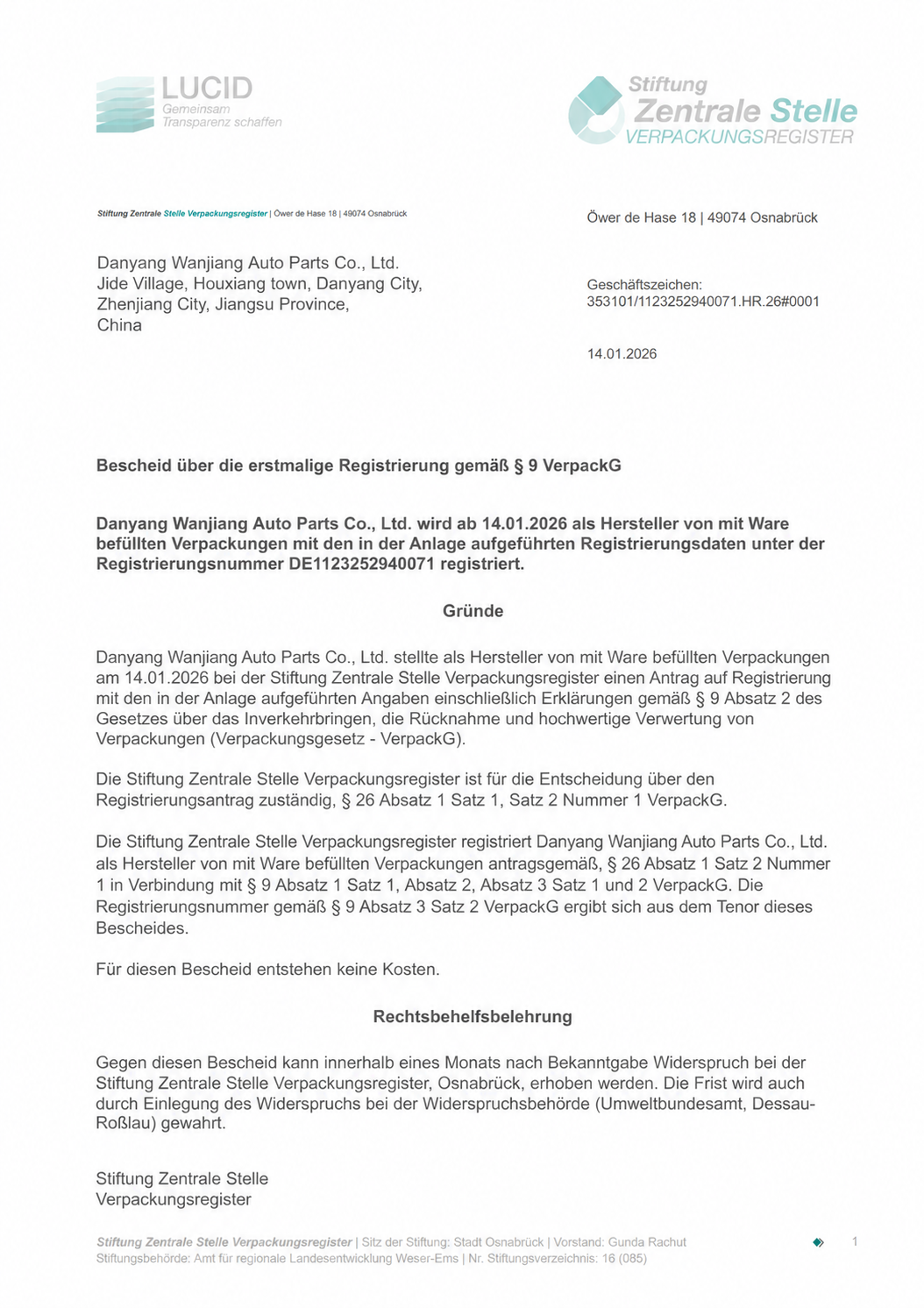
- Review Environmental and Safety Certificates: Request verified documentation including CE certificates and EPR compliance records (such as Germany's VerpackG) to ensure environmental legal standing.
- Audit Raw Material Specifications: Validate material composition using high-grade PP, ABS, or carbon fiber, ensuring wall thickness measures consistently between 2.5 mm and 5.0 mm for structural integrity.
- Implement Rigorous Quality Inspections: Demand multi-stage verification including visual checks, Coordinate Measuring Machine (CMM) dimensional measuring, and paint coating testing prior to shipment.
- Utilize Transparent Remote Auditing: Require pre-delivery inspection photos or videos before container loading to verify batch quality without geographical constraints.
Detailed Architectural/Principle Analysis
Automotive body parts, including engine hoods, fenders, and front bumper assemblies, must comply with strict physical collision safety standards and environmental regulations. Achieving compliance begins with material selection. Formulations utilizing thermoplastic polymers like polypropylene (PP), acrylonitrile butadiene styrene (ABS), or advanced carbon fiber compounds provide the required energy absorption during impact while maintaining weight efficiency. Verifying supplier raw material test data guarantees that components resist stress cracking and temperature fluctuations during operational life.
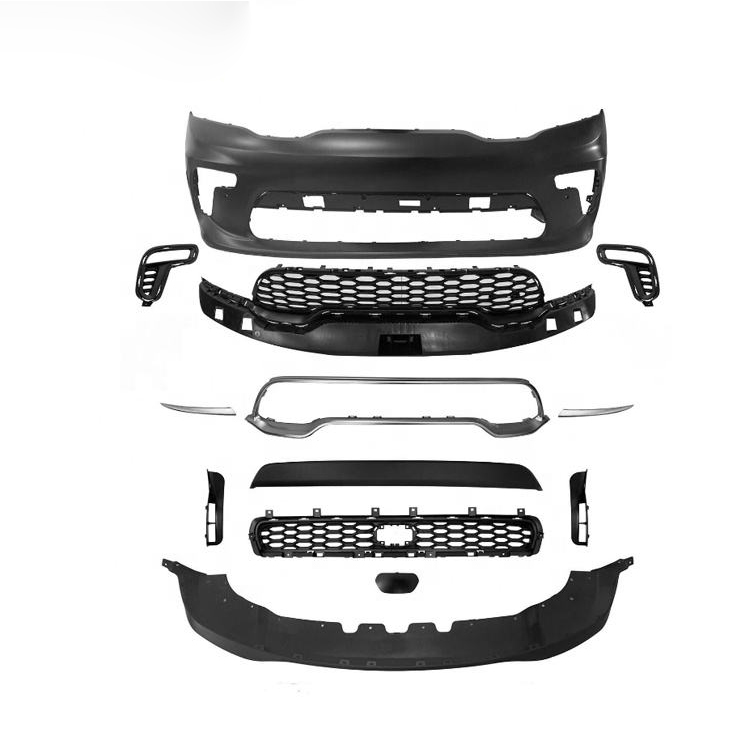
From an environmental oversight perspective, global markets demand strict adherence to recycling and waste management directives. In European jurisdictions, compliance with Extended Producer Responsibility (EPR) requirements ensures that materials, packaging, and end-of-life components meet designated disposal and recovery criteria. Paired with CE marking, which confirms alignment with health, safety, and environmental protection standards, these credentials permit smooth entry into commercial distribution channels across overseas repair networks and wholesale platforms.
Precision manufacturing processes determine whether an engine hood or bumper assembly aligns correctly with vehicle body mounting points. Dimensional accuracy relies on standardized molds and automated forming techniques. Utilizing direct bolt-on or clip-on installation designs minimizes assembly labor while eliminating gaps that could compromise structural rigidity under aerodynamic load. Conducting full pre-delivery inspections ensures zero structural flaws prior to export dispatch.
Data/Solution Comparison
| Verification Criteria | Compliant OEM/Aftermarket Standard | Non-Compliant Aftermarket Risk |
|---|---|---|
| Material Grade & Thickness | High-impact PP / ABS / Carbon Fiber (2.5 – 5.0 mm wall thickness) | Recycled, brittle plastics with variable thickness below 2.0 mm |
| Regulatory Certifications | CE Certified (HK0624090150C), EPR Compliant (DE1123252940071) | No official documentation; high risk of customs seizure or fines |
| Fitment & Installation Method | 100% precise fitment via Direct Bolt-on / Clip-on setup | Poor mounting point alignment requiring manual modification |
| Quality Control Testing | Visual inspection, CMM dimensional measurement, coating test | No systematic quality checks; uninspected pre-shipment flaws |
Frequently Asked Questions (FAQ)
Q: What certifications are mandatory for importing engine hoods and body components into Europe?
A: Imports into the European market require CE certification for mechanical safety compliance alongside valid EPR registration numbers (such as Germany's VerpackG) to satisfy environmental packaging and disposal laws.
Q: How does material wall thickness affect auto body panel safety?
A: Maintaining a uniform wall thickness between 2.5 mm and 5.0 mm ensures structural rigidity under wind pressure while allowing controlled deformation during impacts, protecting both vehicle occupants and pedestrians.
Q: How can overseas buyers verify product quality prior to container loading?
A: Buyers can review digital pre-delivery inspection documentation, including high-resolution images and pre-shipment inspection videos, alongside factory batch quality reports detailing dimensional accuracy and surface finish quality.
Final Conclusion & Recommendations
Ensuring engine hoods and car body components comply with international safety and environmental regulations requires a systematic review of material properties, third-party certifications, and quality control procedures. Buyers should prioritize suppliers providing verified CE and EPR documentation, robust PP/ABS material compositions, and complete batch inspection transparency before shipment. For detailed technical solutions or support, please reach out to us via sales01@cnkebel.com.
About Us
Danyang Wanjiang Auto Parts Co., Ltd. operates as an integrated manufacturing and exporting factory based in Danyang, Jiangsu Province, covering a 10,000 square meter facility with 80 skilled staff members. Specializing in car bumpers, grilles, headlights, engine hoods, and fenders, the company leverages 18 years of OEM/ODM expertise to deliver components tailored for American and German vehicle series. Operating under certified CE and EPR standards (including certificates HK0624090150C and DE1123252940071), all products undergo 100% pre-delivery inspection to support global auto body repair networks, wholesalers, and cross-border distributors across American and European markets.

Lastest
-
Can you manufacture a front bumper based on our proprietary 3D CAD files?
2026-10-01 -
Can you provide the DOT and SAE certification documents for this rear bumper?
2026-10-01 -
How many production lines do you dedicate to making this bumper upper?
2026-10-01 -
Is there an online portal to track aftermarket support for the front bumper assembly?
2026-10-01 -
What is the standard production lead time for a container of engine hoods?
2026-10-01
SUBSCRIBE
INQUIRY