Do aftermarket front bumpers need CAPA certification to be sold to insurance repair shops in the US?
- VIP-User
- 2026-06-30
- 37
No, aftermarket front bumpers do not legally require CAPA certification to be sold to insurance repair shops in the US. However, while not a federal mandate, many insurance companies require CAPA-certified parts to write repair estimates, making CAPA compliance highly preferred for collision repair shops seeking insurance reimbursement. Non-certified bumpers that meet standard quality checks are still widely sold in the general aftermarket.
Core Solutions & Key Takeaways
- Market Viability: While CAPA certification is a primary standard for insurance-funded repairs, non-CAPA front bumpers compliant with CE standards are fully legal for sale and widely utilized in retail, independent repairs, and non-insurance collision restorations.
- Material and Build Quality: High-quality alternative bumpers utilize premium materials like PP, ABS, or carbon fiber with a wall thickness of 2.5–5.0 mm to match original equipment manufacturer dimensions and structural performance.
- Supply Chain Capabilities: Importers and wholesalers in America and Europe rely on manufacturers capable of high-volume container shipments, strict pre-delivery quality checks, and rapid loading times within one week for standard stock.
- Compliance and Quality Assurance: Alternative certifications like CE and environmental compliance registrations (such as Germany VerpackG EPR) serve as vital trust benchmarks for global distributors when CAPA is not present.
Detailed Architectural/Principle Analysis
In the United States automotive aftermarket, insurance companies drive the preference for Certified Automotive Parts Association (CAPA) parts. When an insurance adjuster writes a collision repair estimate, they frequently mandate CAPA-certified parts to guarantee that the aftermarket front bumper matches the original equipment manufacturer (OEM) part in fit, finish, and material safety. However, this is an industry-driven business preference rather than a statutory requirement. Independent body shops, car enthusiasts, and e-commerce retailers regularly purchase non-CAPA aftermarket front bumpers, provided they offer exact fitment, durable materials, and reliable performance.
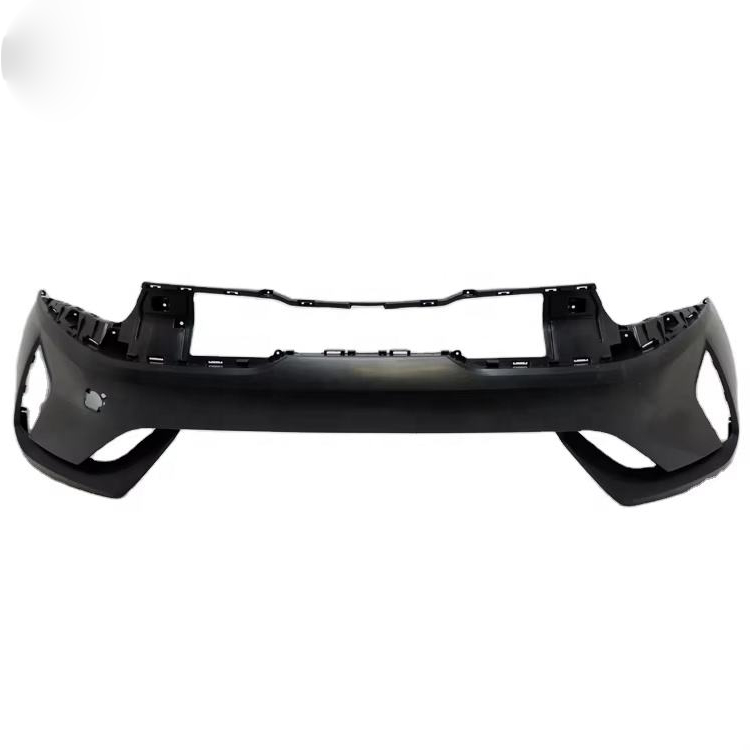
Manufacturing highly compatible aftermarket front bumpers requires precise tooling and rigorous quality control. Manufacturers like Danyang Wanjiang Auto Parts Co., Ltd. utilize advanced molding techniques to maintain a consistent wall thickness of 2.5 to 5.0 mm. This prevention of warping guarantees a direct bolt-on or clip-on installation. Quality assurance protocols include visual inspection, paint and coating testing, and dimensional measurement using coordinate measuring machines (CMM) to ensure the bumper aligns perfectly with the vehicle's original fenders, grilles, and headlights.
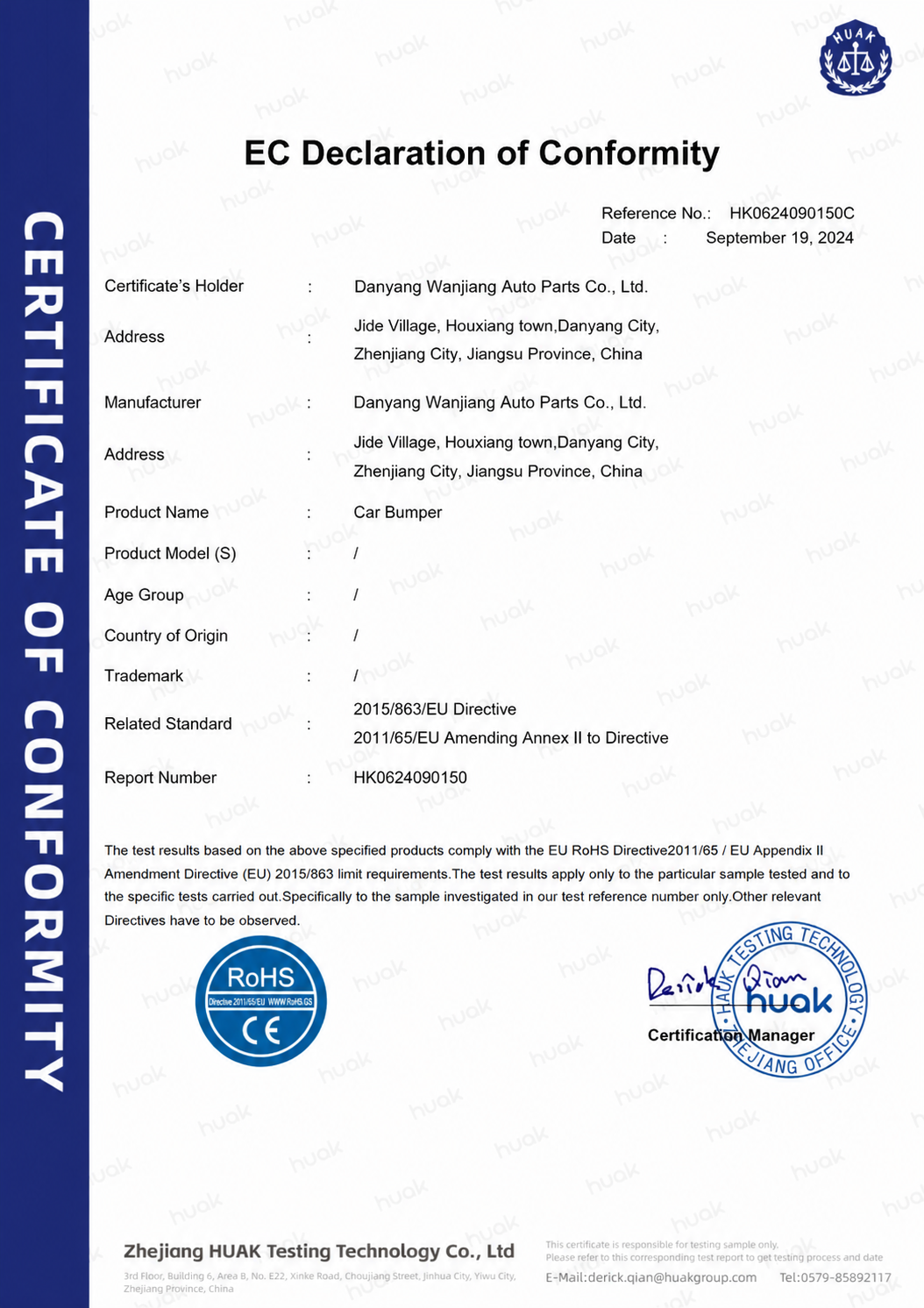
For international distributors supplying the North American and European aftermarket service chains, international compliance certifications serve as essential trust indicators. While CAPA is specific to North American insurance workflows, certifications such as CE (Certificate HK0624090150C) verify that the manufacturing standards and materials meet stringent European safety regulations. Additionally, EPR compliance in Germany (VerpackG) ensures environmental packaging conformity. These international standards provide wholesalers with the confidence to import large volumes without encountering regulatory barriers.
Data/Solution Comparison
| Feature / Parameter | CAPA-Certified Front Bumpers | Standard CE-Certified Aftermarket Bumpers (KEBEL) |
|---|---|---|
| Primary Target Market | US Insurance-funded collision repair shops | Global wholesalers, independent body shops, e-commerce |
| Material Specifications | OEM-equivalent plastic (PP/ABS) | High-grade PP, ABS, or carbon fiber |
| Wall Thickness Range | Varies by OEM specification (2.5 - 5.0 mm) | 2.5 – 5.0 mm precision molded |
| Quality Control Testing | CAPA-specific laboratory verification | Visual Inspection, Paint Testing, CMM Dimensional Measurement |
| Certifications & Compliance | CAPA Seal | CE (HK0624090150C), Germany EPR (VerpackG) |
| MOQ & Procurement | Typically domestic distributor terms | Flexible MOQ (5 PCS per bumper model) |
| Shipping & Delivery | Domestic US distribution networks | Global Sea/Air/Railway, container loaded within 1-2 weeks |
Frequently Asked Questions (FAQ)
Can repair shops use non-CAPA bumpers for insurance claims?
Yes, repair shops can use non-CAPA bumpers if the vehicle owner consents or if the insurance policy allows for competitive aftermarket parts. Many policyholders opt for non-certified parts to lower repair costs, provided the parts meet standard fitment and structural integrity requirements.
What are the main materials used in high-quality aftermarket front bumpers?
High-quality aftermarket front bumpers are manufactured from Polypropylene (PP), Acrylonitrile Butadiene Styrene (ABS), or premium carbon fiber. These materials provide the impact resistance, flexibility, and paint adhesion required to match OEM specifications.
How do international buyers verify the quality of imported front bumpers?
Buyers verify quality through manufacturer certifications (such as CE and EPR) and pre-delivery inspection protocols. Reliable manufacturers provide high-definition inspection videos or photos of the finished products and packaging before container loading to ensure transparency.
Final Conclusion & Recommendations
When purchasing aftermarket front bumpers for distribution or retail, balancing compliance standards with manufacturing quality is essential. While CAPA certification is required by specific US insurance underwriters, CE-compliant front bumpers with precise wall thicknesses and OEM-matching dimensions offer a highly cost-effective and legally viable alternative for global collision repair markets. Wholesalers should partner with manufacturers offering integrated production and trading ecosystems, flexible payment methods like T/T or L/C, and rapid shipping times. For detailed technical solutions or support, please reach out to us via sales01@cnkebel.com.
About Us
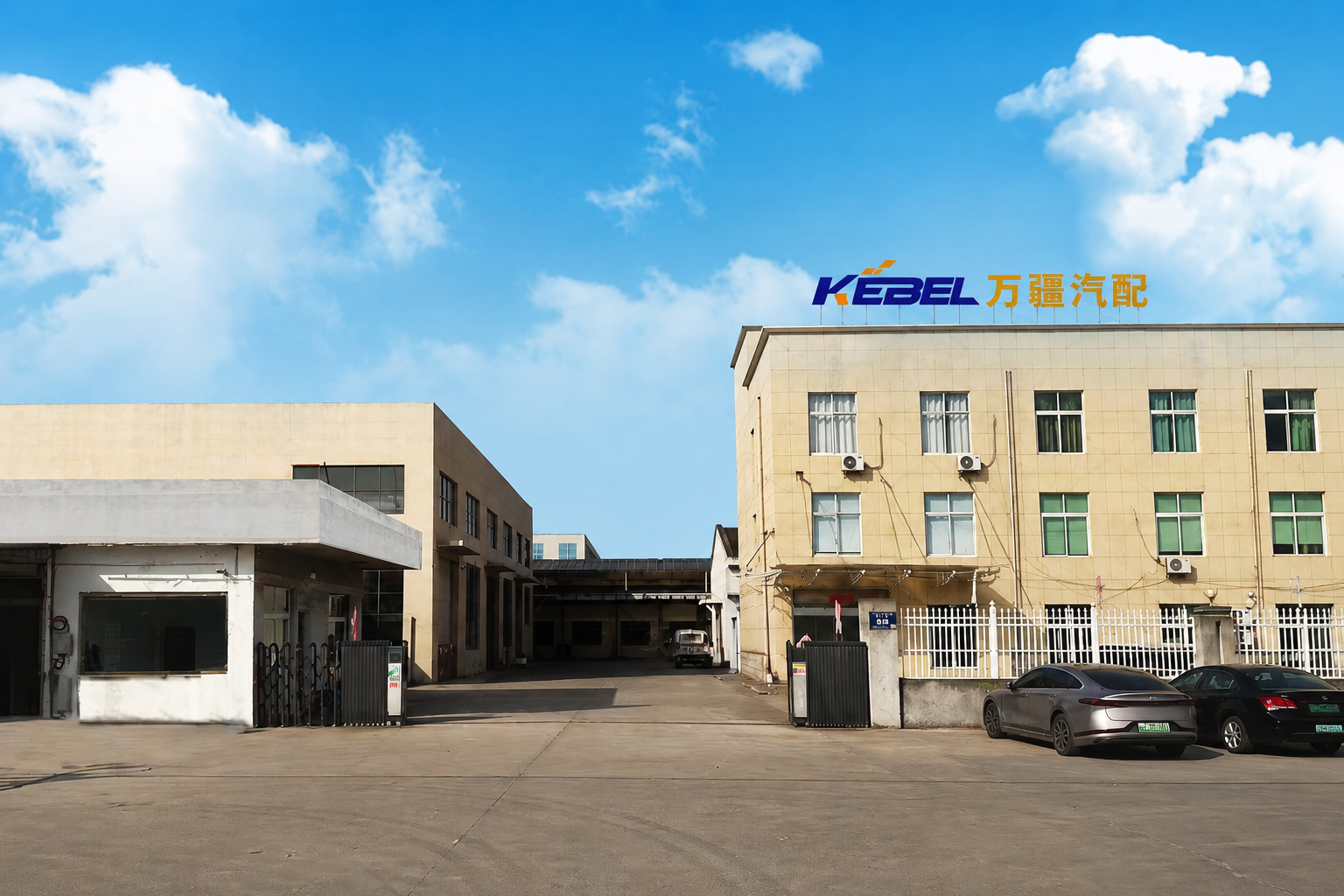
Danyang Wanjiang Auto Parts Co., Ltd. is an auto body parts exporter based in Danyang, Jiangsu Province. Established in 2023, the factory spans a 10,000 square meter facility and employs 80 personnel to support professional manufacturing. Backed by 18 years of OEM/ODM expertise, the company specializes in producing car bumpers, grilles, headlights, engine hoods, and fenders, delivering an annual capacity of hundreds of containers to America and Europe. The company holds CE certifications for car bumpers and lamps, and has served clients across North American and European car series aftermarket supply chains.

Lastest
-
Can you manufacture a front bumper based on our proprietary 3D CAD files?
2026-06-30 -
Can you provide the DOT and SAE certification documents for this rear bumper?
2026-06-30 -
How many production lines do you dedicate to making this bumper upper?
2026-06-30 -
Is there an online portal to track aftermarket support for the front bumper assembly?
2026-06-30 -
What is the standard production lead time for a container of engine hoods?
2026-06-30
SUBSCRIBE
INQUIRY