Could modular front bumper assembly designs simplify future replacement demand?
- VIP-User
- 2026-10-04
- 1
Modular front bumper assembly designs significantly simplify future replacement demand by enabling targeted component swaps rather than complete unit replacements. By separating the bumper cover, grille inserts, car front fender, and mounting brackets into individual modules, collision repair facilities reduce labor hours, lower material expenditures, and streamline aftermarket parts inventory management for North American and European vehicle lines.
Core Solutions & Key Takeaways
- Localized Damage Repair: Modular architecture allows technicians to replace damaged sub-sections—such as lower grilles or individual bumper corners—without removing or discarding the entire front bumper assembly.
- Supply Chain Efficiency: Compact modular components optimize container loading density for international shipping and reduce warehouse holding costs for auto parts distributors.
- Standardized Fitment Accuracy: Precision tooling and CMM dimensional measurements ensure complete vehicle compatibility across American and German vehicle series.
- Regulatory Compliance: Modular components engineered to CE and DOT standards ensure seamless integration into international collision repair frameworks.
Detailed Architectural/Principle Analysis
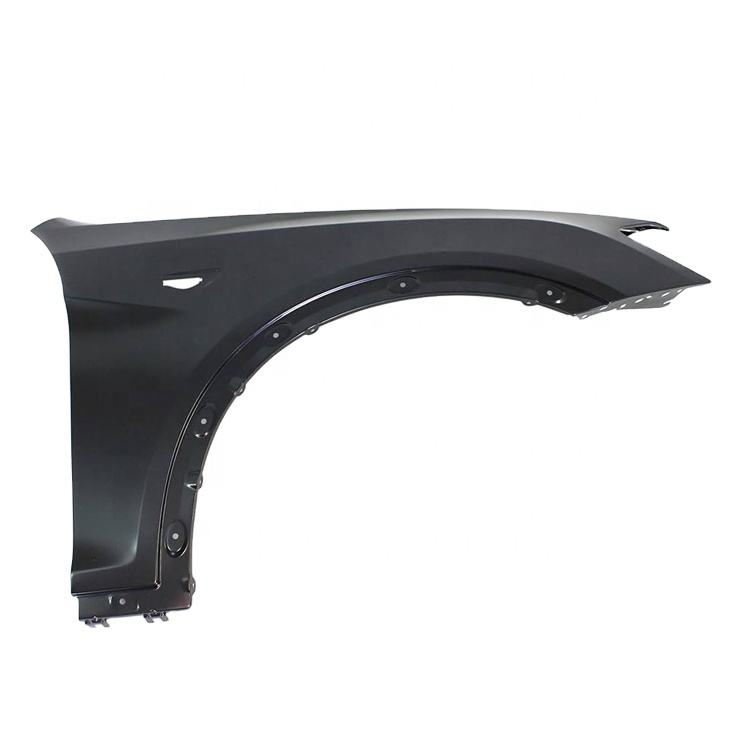
Transitioning from integrated one-piece bumper structures to modular front bumper assemblies fundamentally changes aftermarket repair workflows. Modern vehicle exteriors integrate complex aerodynamics, sensor mounts, and decorative trims. When minor impacts occur, replacing a unified bumper structure forces repair shops to discard undamaged structural material. A modular system decouples structural impact bars, decorative grilles, engine hood latches, and adjacent body elements such as the car front fender into independently serviceable units.
Engineered for high dimensional stability, modular components rely on standardized alignment tracks and fast-clip mounting mechanisms. Technical evaluations by Danyang Wanjiang Auto Parts Co., Ltd. demonstrate that multi-piece assemblies maintaining rigid tolerances prevent gap mismatches along fender and headlight margins. Every production lot undergoes strict quality inspection protocols, including visual inspection, Coordinate Measuring Machine (CMM) dimensional verification, and paint and coating testing to guarantee structural durability and exact fitment.
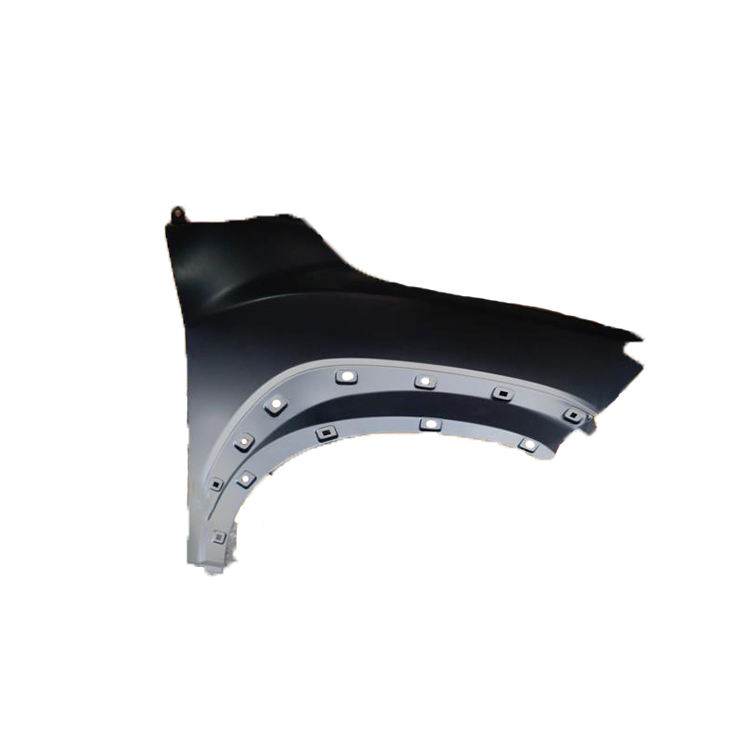
International safety standards require replacement body parts to uphold structural integrity and environmental compliance. Modular bumper components hold CE certification (such as CE HK0624090150C) and EPR registration (DE1123252940071), ensuring alignment with strict European and American vehicle safety guidelines. In high-volume collision repair scenarios, these modular systems reduce standard repair times, directly supporting independent body shops, international wholesalers, and cross-border automotive e-commerce platforms seeking rapid inventory replenishment.
Data/Solution Comparison
The comparative evaluation below highlights key operational performance metrics between legacy single-piece bumper units and modern modular front bumper assemblies.
| Evaluation Metric | Traditional One-Piece Bumper | Modular Front Bumper Assembly |
|---|---|---|
| Component Replacement Scope | Entire front bumper unit required | Targeted individual sub-modules |
| Average Repair Labor Time | High (3–5 hours dismantling/painting) | Low (1–2 hours targeted sub-assembly swap) |
| Freight and Storage Volume | High cubic volume, higher transit risk | Optimized stackable modules, lower LCL/FCL costs |
| Inventory Holding Capital | High capital tied up in full assemblies | Low capital, flexible stock of fast-moving sub-parts |
| Fitment Alignment Flexibility | Fixed dimensions, sensitive to chassis flex | Adjustable modular mounts ensure flush alignment |
Frequently Asked Questions (FAQ)
How do modular front bumpers ensure precise gap alignment with the car front fender?
Modular bumper assemblies feature slotted mounting brackets and adjustable alignment pins. These design elements allow technicians to fine-tune panel gaps against the car front fender, engine hood, and headlight housing, correcting minor body frame variances prior to final fastener tightening.
What certifications govern aftermarket modular auto body components?
Modular auto body parts exported to global markets are certified under international compliance frameworks including CE standards (such as CE HK0624090150C for bumpers and HK0624090149C for lamps) and European EPR registrations, confirming environmental compliance and structural performance.
What are the dispatch timelines for standard stock modular bumper items?
Standard stock items, including bumpers, grilles, and fenders with flexible minimum order quantities (MOQ 1–5 PCS), can be packed and loaded into shipping containers within 7 days, supported by pre-delivery inspection photo and video documentation.
Final Conclusion & Recommendations
Adopting modular front bumper assembly designs eliminates structural material waste, lowers procurement overhead, and accelerates repair turnaround cycles across global automotive aftermarket service networks. Auto parts distributors and collision repair chains benefit from reduced inventory bulk and rapid container dispatch supported by flexible sea, air, and express shipping options. For detailed technical solutions or support, please reach out to us via sales01@cnkebel.com.
About Us
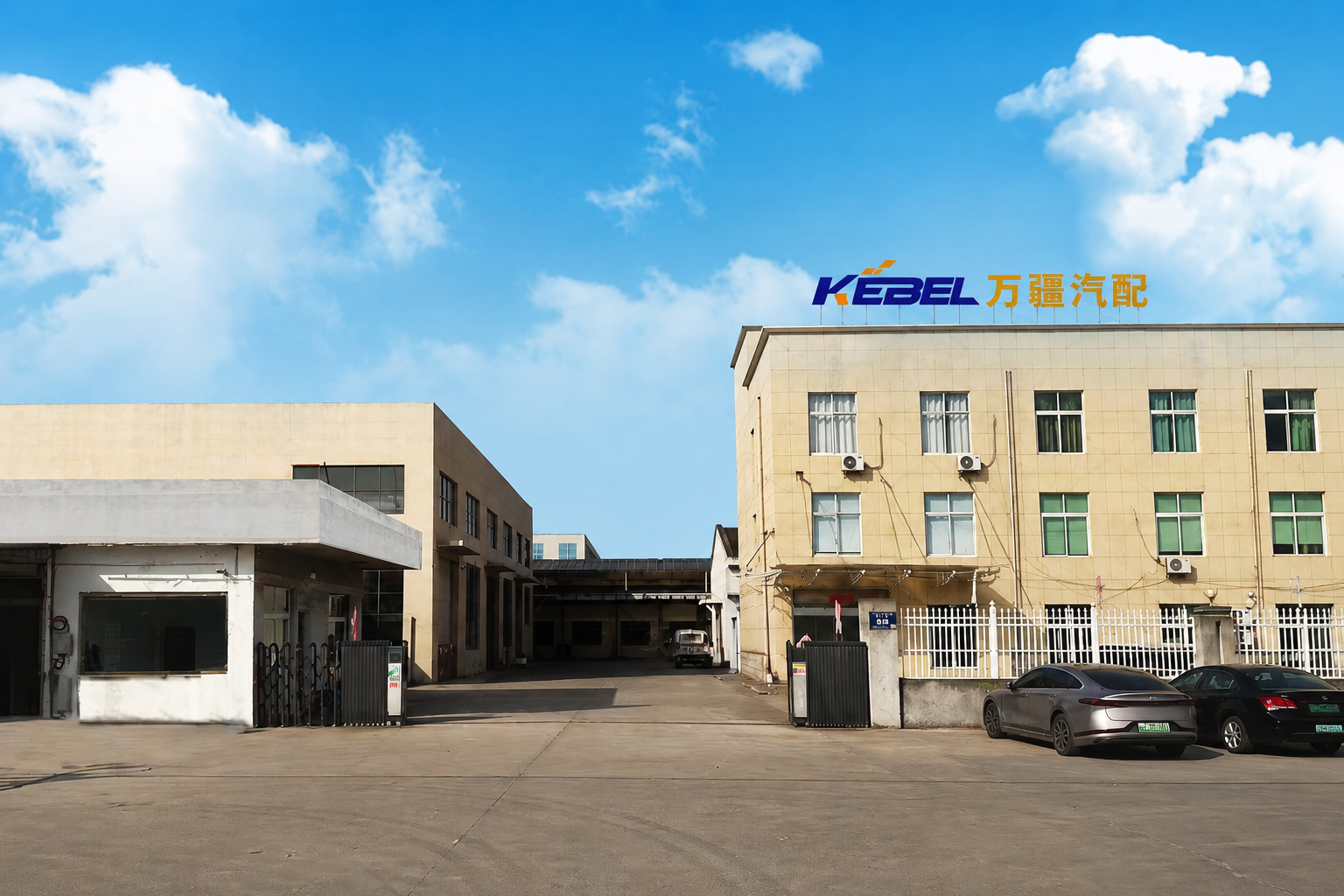
Danyang Wanjiang Auto Parts Co., Ltd. operates a 10,000 sqm manufacturing facility staffed by 80 skilled professionals, specializing in exterior auto body components including car bumpers, grilles, headlights, engine hoods, and fenders. Backed by 18 years of OEM and ODM expertise, the enterprise maintains an annual export capacity exceeding 500 containers, delivering precision-fit parts for American and German vehicle series to commercial clients across North America and Europe. Every product undergoes strict visual, dimensional, and coating inspections prior to shipment.

Lastest
-
Can you manufacture a front bumper based on our proprietary 3D CAD files?
2026-10-04 -
Can you provide the DOT and SAE certification documents for this rear bumper?
2026-10-04 -
How many production lines do you dedicate to making this bumper upper?
2026-10-04 -
Is there an online portal to track aftermarket support for the front bumper assembly?
2026-10-04 -
What is the standard production lead time for a container of engine hoods?
2026-10-04
SUBSCRIBE
INQUIRY