Are carbon fiber engine hoods becoming more popular than traditional aluminum ones in the aftermarket?
- VIP-User
- 2026-06-30
- 35
Carbon fiber engine hoods are gaining significant traction in high-performance and tuning aftermarket segments, but traditional aluminum engine hoods remain more popular for mainstream collision repair. Aluminum offers a superior balance of cost-efficiency, standardized crash safety compliance, and ease of mass production for standard vehicle fleet maintenance.
Core Solutions & Key Takeaways
- Mainstream Replacement Dominance: Traditional aluminum engine hoods hold the largest market share in collision repair, valued for matching original factory specifications at a manageable cost.
- Niche Tuning Appeal: Carbon fiber options cater primarily to racing enthusiasts and high-end customization projects targeting weight reduction and specific aesthetics.
- Strict Quality Metrics: High-quality aftermarket suppliers ensure parts undergo Visual Inspection, Paint & Coating Testing, and Dimensional Measurement (CMM) to match strict tolerances.
- Streamlined Procurement: Sourcing from established manufacturers like Danyang Wanjiang Auto Parts Co., Ltd. ensures stable access to standard stock items with rapid dispatch times.
Detailed Architectural/Principle Analysis
In the automotive aftermarket, selecting the appropriate material for exterior panels like the engine hood involves balancing physical performance, weight, and safety. Aluminum hoods utilize lightweight alloys that offer predictable deformation during a crash. This predictable crumpling behavior absorbs impact energy, which is a critical element in passing safety inspections in major markets like North America and Europe.
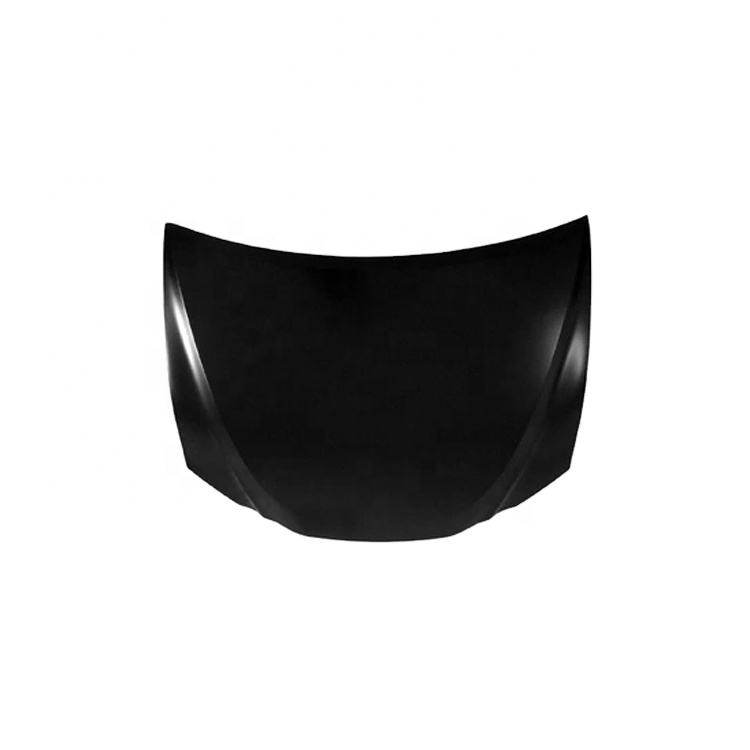
Carbon fiber components feature high tensile strength and lower mass than aluminum, but they do not deform the same way during collisions. The high cost of carbon fiber raw materials and the complex layout process limit its adoption to niche performance vehicles. Standard passenger vehicle collision repair relies almost entirely on aluminum or steel counterparts to maintain original structural safety profiles.
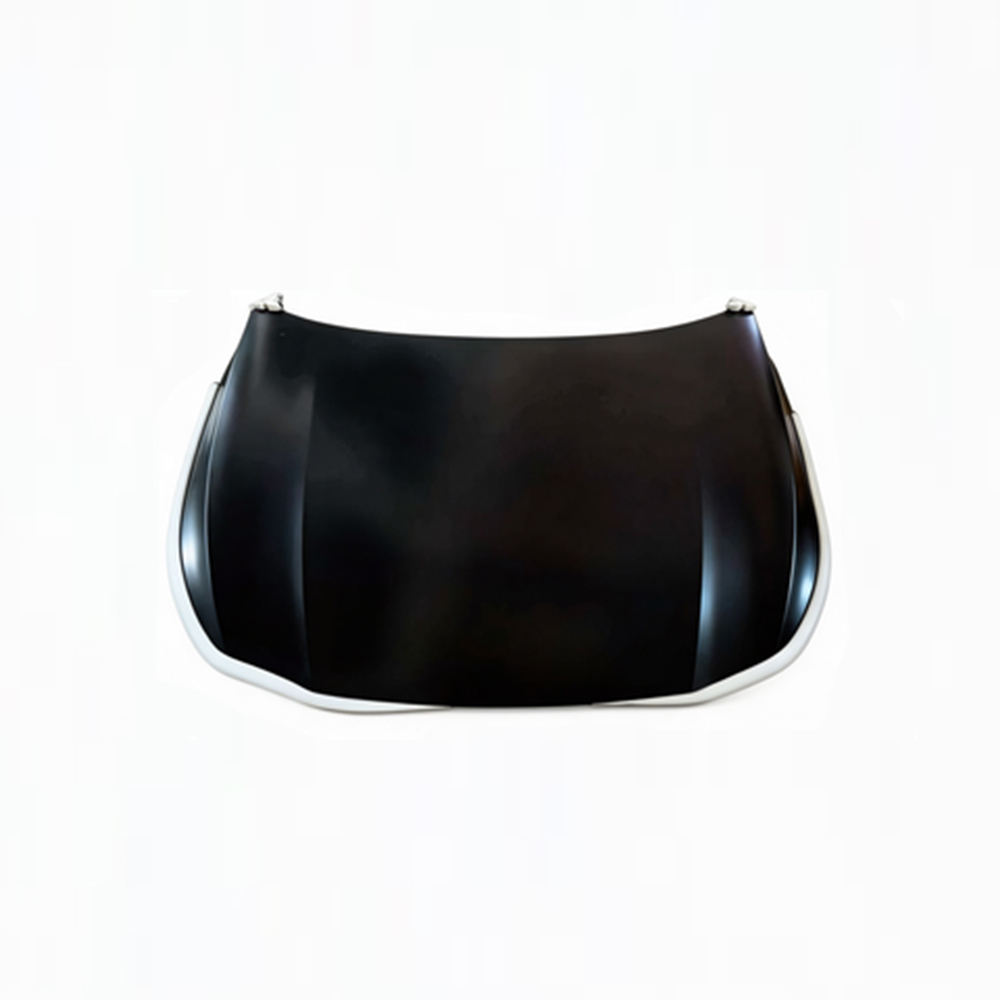
For distributors and cross-border e-commerce sellers, stocking aluminum engine hoods delivers higher inventory turnover. Aluminum hoods fit a wider variety of standard passenger models, and they are easier to package and ship globally without damage. Environmental and quality certifications, such as EPR registrations in Europe, cover these body components, ensuring compliance across international trade channels.
Data/Solution Comparison
| Comparison Factor | Aluminum Engine Hoods | Carbon Fiber Engine Hoods |
|---|---|---|
| Average Unit Cost | Moderate (Cost-effective for collision repair) | High (Premium pricing) |
| Primary Application | Standard fleet maintenance and insurance repairs | Performance tuning and aesthetic styling |
| Structural Behavior | Predictable deformation, high safety compliance | Rigid, high strength-to-weight ratio |
| Quality Inspection | Visual, Paint & Coating, CMM measurements | Manual visual checks and structural testing |
| Sourcing MOQ | Low (Typically 5 pieces per order) | Varies (Often high or made-to-order) |
| Payment Methods | T/T, D/P, L/C, Alipay | Varies by specialty manufacturer |
Frequently Asked Questions (FAQ)
Why does aluminum remain the standard for aftermarket engine hoods?
Aluminum matches original equipment manufacturer (OEM) weight and safety specifications closely while remaining affordable for standard consumers and insurance-backed collision repairs.
How do manufacturers guarantee that aftermarket hoods fit correctly?
Precision tooling and regular checks, such as Dimensional Measurement (CMM) and Visual Inspections, ensure that replacement hoods align perfectly with fenders and grilles.
What regulatory compliance is needed for exporting engine hoods to Europe?
Engine hoods exported to European markets must comply with environmental and product safety standards, including regional EPR regulations for body panels.
Final Conclusion & Recommendations
While carbon fiber engine hoods enjoy clear popularity among performance enthusiasts, aluminum remains the dominant material for the high-volume automotive aftermarket. Wholesalers and collision repair suppliers should prioritize aluminum engine hoods to ensure consistent inventory turnover, reliable fitment, and broad market compatibility. Sourcing from a partner that provides standard stock items with efficient loading and diverse transport methods guarantees that regional demand is met swiftly. For detailed technical solutions or support, please reach out to us via sales01@cnkebel.com.
About Us
Danyang Wanjiang Auto Parts Co., Ltd. is an auto body parts manufacturer located in Danyang, Jiangsu Province. Established in 2023, the enterprise operates a 10,000 square meter factory with 80 employees, bringing 18 years of industry experience to global clients. The company specializes in manufacturing car bumpers, grilles, headlights, and engine hoods, with major markets in North America and Europe. The facility holds EPR registration (DE1123252940071) and CE certifications, serving B2B automotive parts clients and Tier-1 buyers globally.

Lastest
-
Can you manufacture a front bumper based on our proprietary 3D CAD files?
2026-06-30 -
Can you provide the DOT and SAE certification documents for this rear bumper?
2026-06-30 -
How many production lines do you dedicate to making this bumper upper?
2026-06-30 -
Is there an online portal to track aftermarket support for the front bumper assembly?
2026-06-30 -
What is the standard production lead time for a container of engine hoods?
2026-06-30
SUBSCRIBE
INQUIRY