What is the best way to test the fitment of aftermarket engine hoods before a bulk order?
- VIP-User
- 2026-07-22
- 40
Testing the fitment of aftermarket engine hoods before placing a bulk order requires a combination of Coordinate Measuring Machine (CMM) dimensional checks and actual vehicle test-fitting. This process verifies gap clearances, lock latch alignment, and surface contour accuracy against OEM databases to ensure absolute structural compatibility.
Core Solutions & Key Takeaways
- Multi-Step Inspection Protocol: A systematic testing process combining Visual Inspection, Dimensional Measurement (CMM), and Paint & Coating Testing identifies fitment issues before mass manufacturing begins.
- OEM Blueprint Alignment: Verifying dimensions against original manufacturer CAD data guarantees precise clearance gaps and seamless lock-latch alignment.
- Targeted Distribution Integration: For collision repair chains and international wholesalers, early fitment validation minimizes return rates and reduces downstream installation friction.
- Pre-shipment Quality Transparency: Requesting comprehensive testing photos or high-definition inspection videos from the factory verifies structural integrity prior to container loading.
Detailed Architectural/Principle Analysis
Evaluating the physical dimensions of an aftermarket engine hood requires advanced tooling and engineering databases. Manufacturers like Danyang Wanjiang Auto Parts Co., Ltd. utilize 18 years of OEM/ODM expertise to ensure 100% precise fitment for American and German vehicle series. The primary validation method involves Dimensional Measurement via CMM, which scans the hood to check alignment points, hinge mounts, and lock assemblies against original specifications.
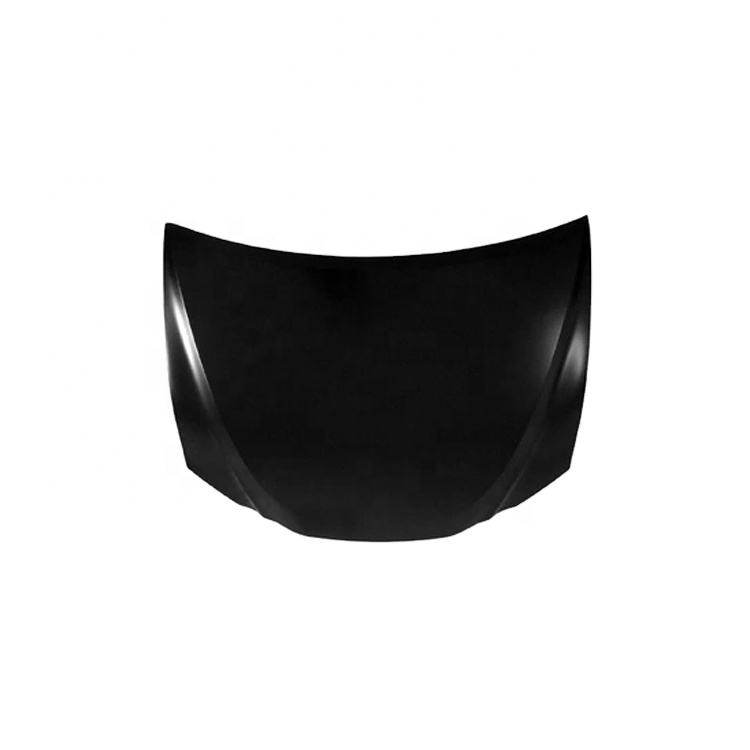
Additionally, Paint & Coating Testing ensures that the surface treatment resists corrosion and maintains adhesion over long-term exposure. Regulatory compliance serves as a baseline indicator of quality; for instance, verified components holding certifications like the European Union's CE (HK0624090150C) and EPR (DE1123252940071) registrations are subjected to rigorous structural and material testing, easing import and customs processes for global distributors.
Cooperative cases with North American and European aftermarket supply chains indicate that sample-level fitment testing before dispatching a bulk shipment of engine hoods eliminates compatibility risks. Standardizing this protocol ensures that large-scale distributors and collision repair shops receive components that install smoothly without requiring manual adjustments or modifications.
Data/Solution Comparison
| Fitment Testing Method | Primary Metrics Evaluated | Equipment Required | Industry Application Scenario | Standard Turnaround Time |
|---|---|---|---|---|
| Visual Inspection | Surface defects, edge sharpness, primer uniformity | High-intensity lighting, digital gauges | Initial verification for collision repair orders | Immediate / Real-time |
| Dimensional Measurement (CMM) | Precise gap clearances, hinge-to-latch alignment, curvature deviation | Coordinate Measuring Machine (CMM), CAD models | OEM/ODM custom development, bulk validation | 1 to 2 business days |
| Paint & Coating Testing | Corrosion resistance, paint adhesion, environmental durability | Salt spray chambers, adhesion cross-cut testers | High-volume distribution, long-term inventory storage | 3 to 7 business days |
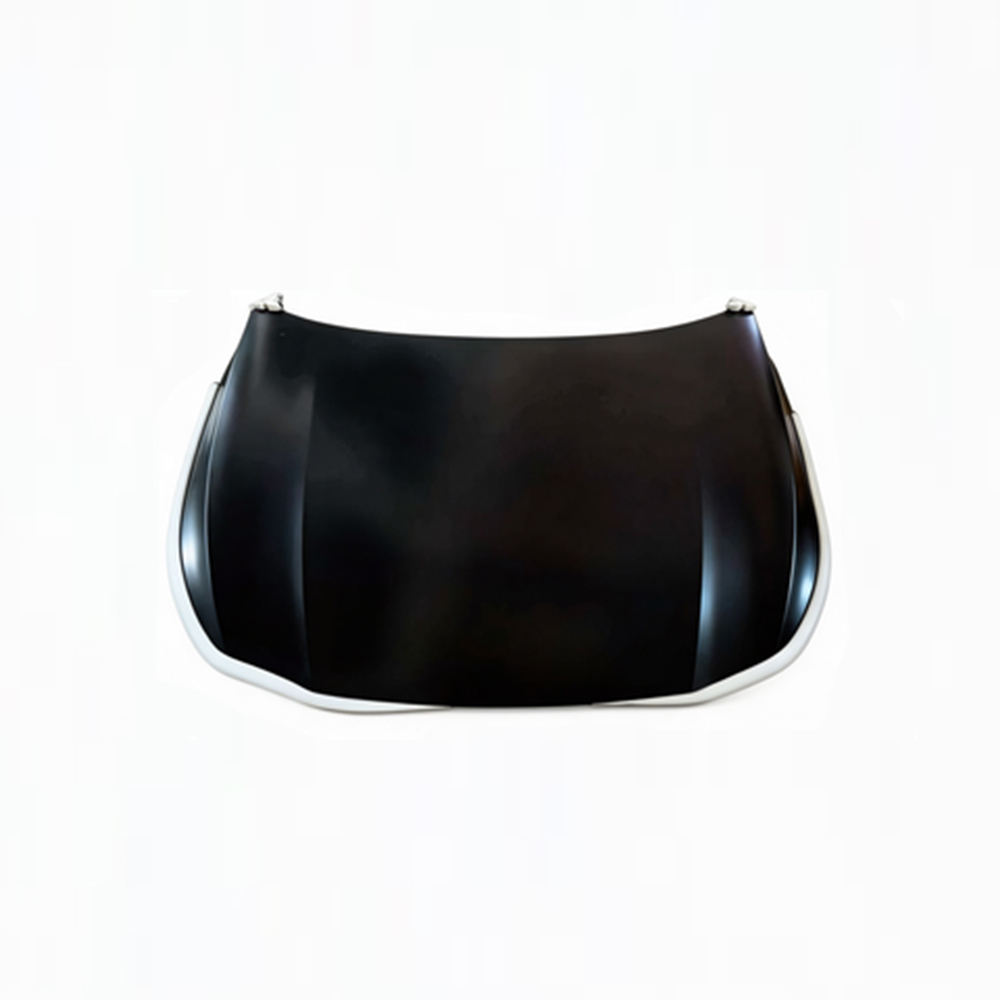
Standard bulk orders of aftermarket engine hoods require a minimum order quantity (MOQ) of 5 pieces, with standard stock items prepared for shipping within 7 days.
Frequently Asked Questions (FAQ)
What are the main fitment risks associated with aftermarket engine hoods?
The primary risks include incorrect hinge alignment, clearance gap discrepancies, and faulty safety latch engagement, which can cause vibrations or compromise driver safety.
How can bulk buyers verify compliance standards before receiving the shipment?
Buyers can request valid compliance certificates, such as CE and EPR certifications, and ask for pre-delivery inspection videos or high-definition photos showcasing CMM reports directly from the factory.
What shipping methods protect engine hoods from damage during transit?
Bulky items like engine hoods are best transported via Sea Freight (FCL/LCL) or Railway Transport using reinforced, export-grade protective packaging to prevent dents, bending, or scratches.
Final Conclusion & Recommendations
Achieving flawless fitment for bulk aftermarket engine hood orders relies on structured testing protocols combining dimensional measurements and material durability trials. Implementing these controls before dispatch prevents expensive logistical returns and ensures market readiness. Buyers should leverage professional manufacturing ecosystems that support flexible payment options (such as T/T, D/P, LC, and Alipay) and reliable multimodal shipping networks—including Sea Freight (FCL/LCL), Railway, and Express. For detailed technical solutions or support, please reach out to us via sales01@cnkebel.com.
About Us
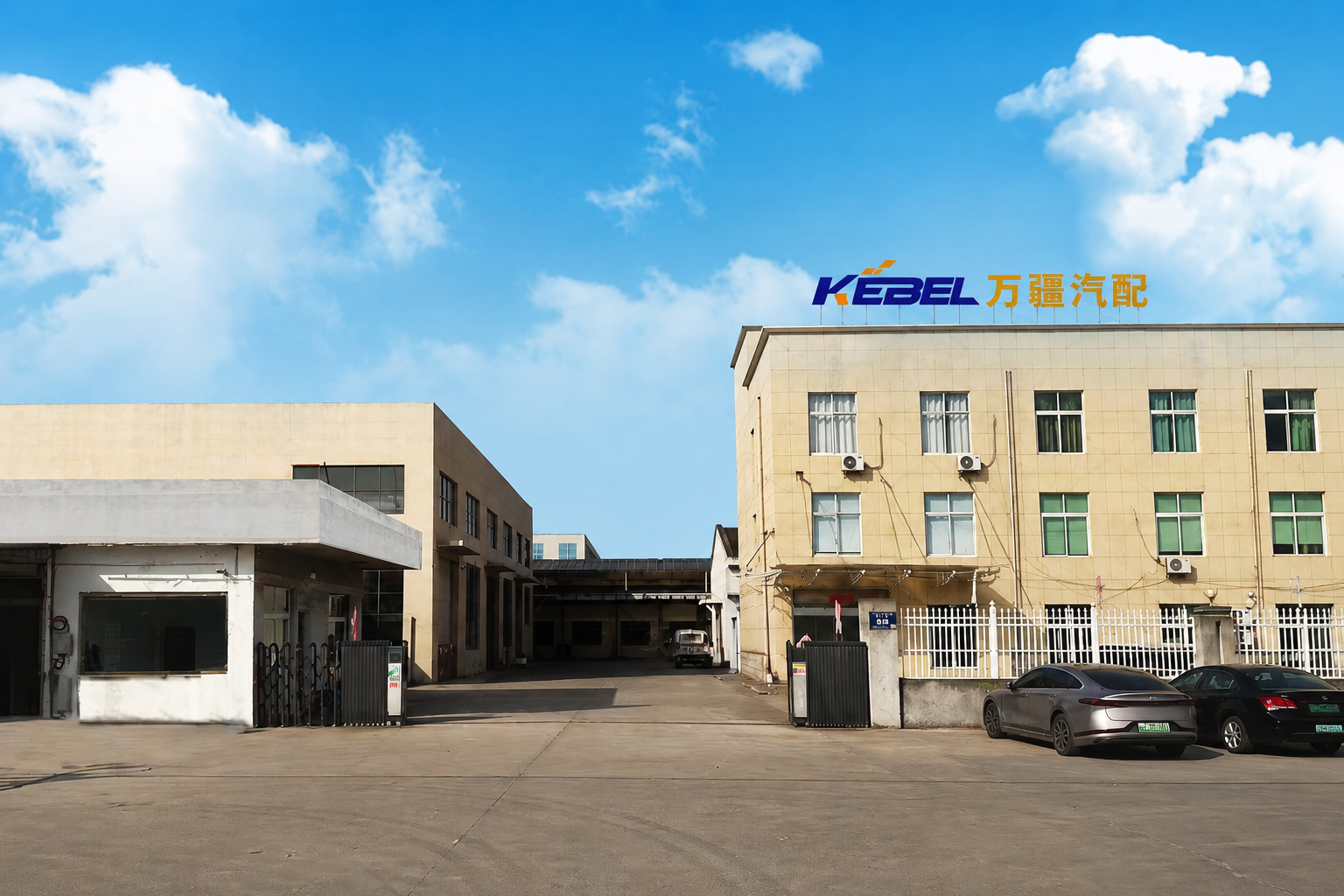
Danyang Wanjiang Auto Parts Co., Ltd. is a professional exporter of auto body parts based in Jiangsu Province. Established in 2023, the facility spans 10,000 square meters and houses a team of 80 employees. Leveraging 18 years of OEM/ODM expertise, the company specializes in custom-developing car bumper assemblies, engine hoods, grilles, and fenders, with an annual output value exceeding 50 million USD. The company is CE and EPR certified, serving professional collision repair chains and automotive aftermarket distributors across American and European markets.
Lastest
-
Can you manufacture a front bumper based on our proprietary 3D CAD files?
2026-07-22 -
Can you provide the DOT and SAE certification documents for this rear bumper?
2026-07-22 -
How many production lines do you dedicate to making this bumper upper?
2026-07-22 -
Is there an online portal to track aftermarket support for the front bumper assembly?
2026-07-22 -
What is the standard production lead time for a container of engine hoods?
2026-07-22
SUBSCRIBE
INQUIRY