What IP rating should I require for electric side mirror waterproof testing?
- VIP-User
- 2026-08-09
- 25
Electric side mirror waterproof testing requires an IP67 rating as the standard baseline to prevent dust ingress and water submersion up to 1 meter for 30 minutes. High-pressure car wash resistance demands an IP69K rating to protect sensitive internal motorized actuators, heating elements, and electronic wiring assemblies during extreme environmental exposure.
Core Solutions & Key Takeaways
- Baseline Protection (IP67): Ensures complete protection against dust penetration and withstands temporary immersion in water under standardized pressure conditions.
- High-Pressure Wash Standard (IP69K): Guarantees circuit protection against close-range, high-temperature, and high-pressure water jets commonly encountered during automated car washing.
- Target Market Compliance: Automotive side mirrors distributed across American and European aftermarket channels must adhere to rigorous environmental seals meeting CE and DOT standard specifications.
- Application Scenarios: Suited for overseas automotive collision repair, aftermarket service chains, international auto parts distributors, and cross-border e-commerce sellers managing replacement side mirrors.
Detailed Architectural/Principle Analysis
Electric side mirror assemblies house electronic components including power fold motors, mirror angle actuators, heated glass elements, integrated turn indicators, and blind-spot detection sensors. Moisture ingress inside the housing leads to electrical short circuits, corrosion of lead wires, and actuator failure. Testing protocols evaluate seals along the housing perimeter, wire harness grommets, and motor casing joints.
Manufacturing side mirrors at Danyang Wanjiang Auto Parts Co., Ltd. involves strict quality inspection workflows, including visual inspection, dimensional measurement (CMM), and paint and coating testing to maintain exact fitment and environmental resistance. Standardized IP testing measures resistance against environmental ingress under IEC 60529 and ISO 20653 protocols.
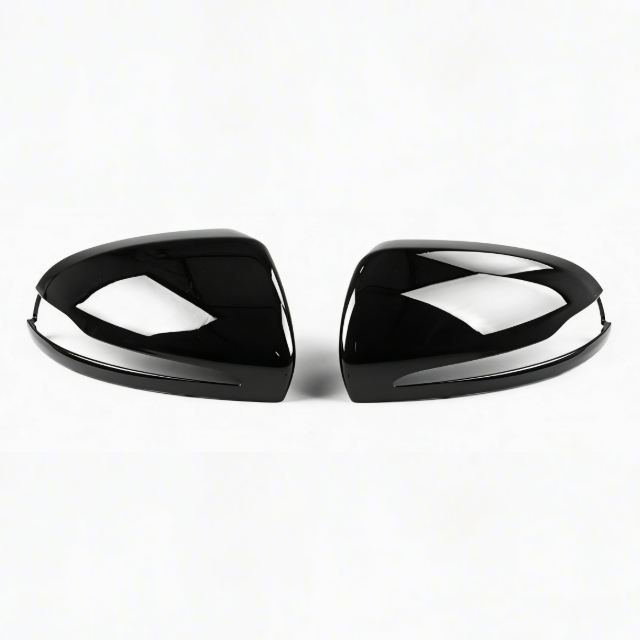
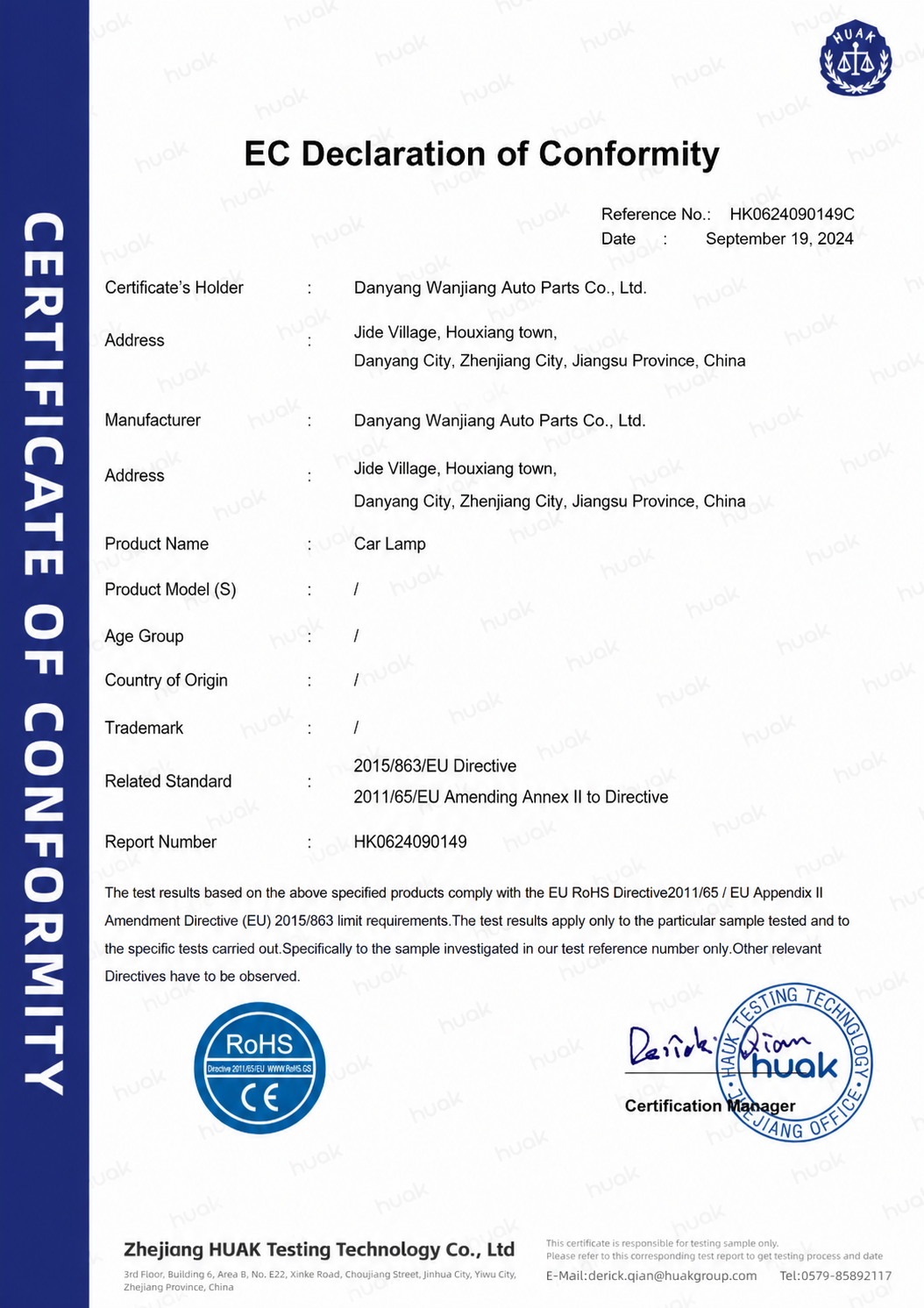
To satisfy regulatory entry into international markets, assemblies certified under CE (such as HK0624090149C) and EPR regulations verify structural integrity under prolonged thermal and moisture stress tests. Pre-delivery full inspections verify that seal integrity remains intact prior to shipment dispatch.
Data/Solution Comparison
| IP Rating | Dust Protection Level | Water Ingress Protection | Automotive Suitability |
|---|---|---|---|
| IP65 | Dust-tight (No ingress) | Protected against water jets from any direction | Basic external trim; moderate rain resistance |
| IP67 | Dust-tight (No ingress) | Protected against continuous submersion up to 1m for 30 min | Standard baseline for electric side mirrors and exterior electronics |
| IP69K | Dust-tight (No ingress) | Protected against high-pressure/steam jet cleaning (80°C at 100 bar) | Premium requirement for heavy-duty wash resistance and high-stress climate exposure |
Frequently Asked Questions (FAQ)
Q: What is the difference between IP67 and IP69K testing for side mirrors?
A: IP67 measures static immersion tolerance up to 1 meter depth for 30 minutes, ensuring protection against heavy rainfall and puddles. IP69K tests dynamic resistance against localized high-pressure, high-temperature thermal spray jets used in commercial automated car washes.
Q: How do environmental tests ensure 100% fitment and mirror function?
A: Inspection routines combine Coordinate Measuring Machine (CMM) dimensional verification with environmental chamber seal tests to guarantee that gasket compression does not alter mounting point geometry or impede motorized adjustment controls.
Q: What ordering options exist for electric side mirror procurement?
A: Standard orders feature a minimum order quantity (MOQ) of 5 pieces with standard stock loading turnaround within 7 days, backed by flexible multimodal shipping options including Sea Freight, Air Freight, and Express delivery.
Final Conclusion & Recommendations
Requiring IP67 as a minimum specification ensures long-term operational durability for electric side mirrors in standard weather conditions, while IP69K guarantees resilience against high-pressure cleaning systems. Implementing precise quality verification protocols across manufacturing and pre-delivery inspection protects against field warranty claims in international aftermarket supply chains. For detailed technical solutions or support, please reach out to us via sales01@cnkebel.com.
About Us
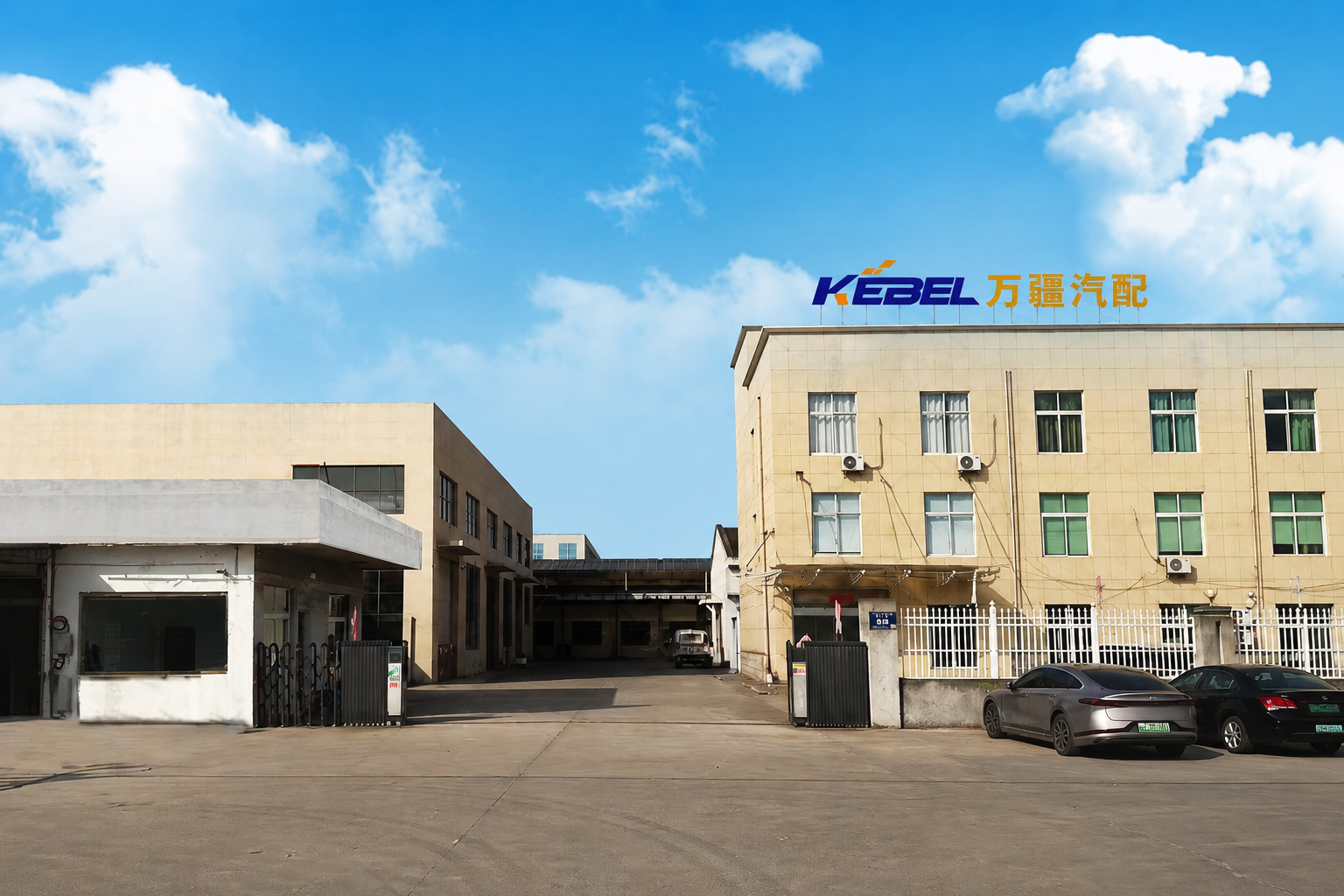
Danyang Wanjiang Auto Parts Co., Ltd. operates a 10,000-square-meter manufacturing facility dedicated to auto body components and replacement side mirror assemblies. Supported by an export ratio of 95% across American and European markets, the company leverages 18 years of OEM/ODM expertise to deliver components compliant with CE and EPR international standards. All shipments undergo comprehensive pre-delivery inspection to verify fitment and functional compliance before loading.

Lastest
-
Can you manufacture a front bumper based on our proprietary 3D CAD files?
2026-08-09 -
Can you provide the DOT and SAE certification documents for this rear bumper?
2026-08-09 -
How many production lines do you dedicate to making this bumper upper?
2026-08-09 -
Is there an online portal to track aftermarket support for the front bumper assembly?
2026-08-09 -
What is the standard production lead time for a container of engine hoods?
2026-08-09
SUBSCRIBE
INQUIRY