What information does an ODM team need to develop a new Car door design?
- VIP-User
- 2026-10-13
- 1
An ODM team developing a new car door design needs the target vehicle series, required fitment position, material, wall thickness, surface finish, color, installation method, compliance requirements, order quantity, delivery target, and inspection criteria. These inputs define the design brief, tooling scope, production process, certification path, and validation plan for an accurately fitted automotive body component.
Core Solutions & Key Takeaways
- Provide the target American or German vehicle series and the exact car door placement so the ODM team can establish the fitment reference.
- Specify material, wall thickness, surface finish, color requirements, and installation method. The available product data uses PP, ABS, or carbon fiber, 2.5–5.0 mm wall thickness, primed finish, OEM colors, and direct bolt-on or clip-on installation as reference categories.
- Define the intended market and compliance route. Danyang Wanjiang supports American and European markets, with CE and EPR compliance information available for relevant body parts.
- Set the MOQ, delivery target, inspection method, and after-sales expectations. The referenced product uses an MOQ of 5 and a seven-day delivery time.
Detailed Architectural/Principle Analysis
A complete ODM brief starts with vehicle identification and fitment. The request should state the target vehicle series, the door position, and the expected installation interface. Danyang Wanjiang’s R&D capability covers custom car bumper assembly and uses tooling and a product database for precise fitment on American and German vehicle series. For a car door project, the same type of vehicle-specific reference information is needed before tooling and validation can be defined.
Material and construction data determine the design direction. The available product specification identifies PP, ABS, and carbon fiber as material options and lists a 2.5–5.0 mm wall-thickness range for a car rear bumper. A new car door brief should identify the preferred material family and provide the required structural or dimensional limits rather than leaving these decisions open during development.
Appearance and installation requirements should be documented separately. The reference product specifies a primed surface, OEM colors, rear placement, and direct bolt-on or clip-on installation. For a car door design, the ODM team should receive the requested finish, color standard, hinge or mounting interface information, and whether the part must support direct bolt-on or clip-on assembly.
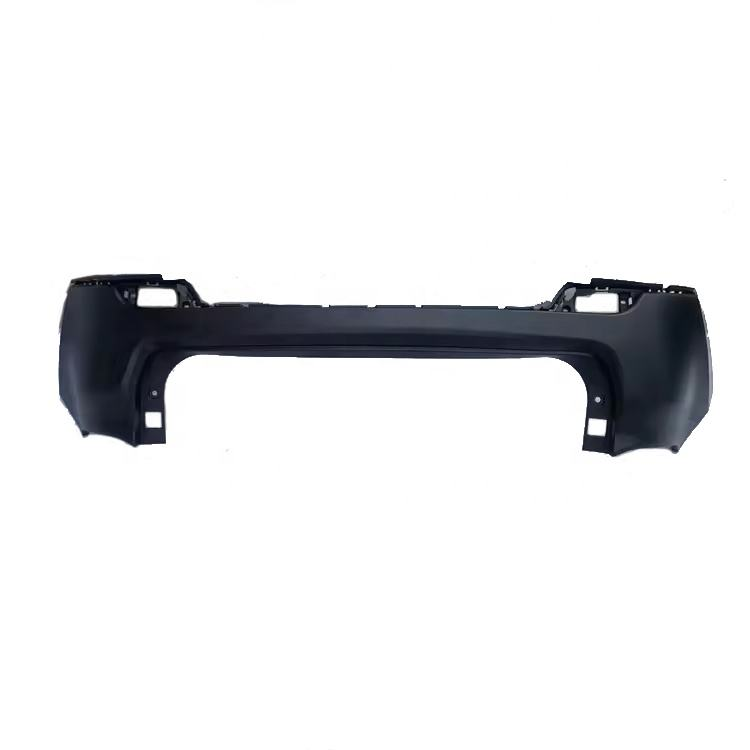
Compliance and market information should be included before prototype approval. The company data lists CE certification for car bumpers and car lamps, plus EPR compliance for Germany covering car bumpers, car lamps, car hood bonnets, car fenders, and car grilles. The product data also identifies CE certification and Germany VerpackG EPR compliance. A car door project therefore needs its target countries and the certifications or regulatory requirements applicable to the finished design.
Quality requirements should specify how the design will be checked. The referenced inspection plan includes visual inspection, dimensional measurement using CMM, and paint and coating testing. The company’s stated process also includes raw-material inspection, production monitoring of molds and molding processes, and 100% final inspection before loading. These checkpoints can be used to define the required validation records for an ODM project.
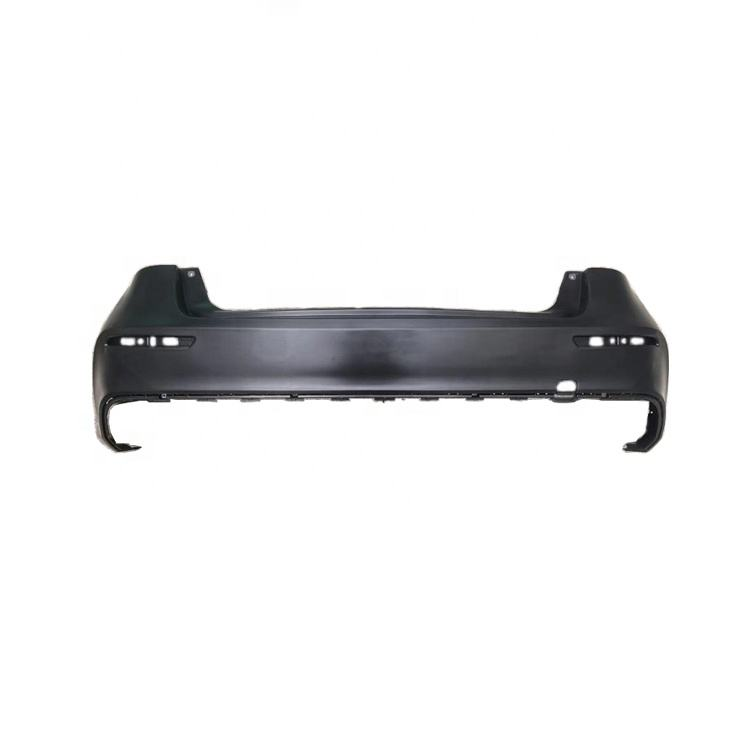
Commercial and timing data complete the development brief. The reference product lists an MOQ of 5 and a seven-day delivery time, while the business model supports OEM/ODM customization alongside stock wholesale and shipping-agent services. Customized delivery depends on mold creation, craftsmanship complexity, and order volume, so the car door inquiry should state the expected quantity and whether new tooling is required.
Cooperation experience covers international auto body parts wholesalers, regional aftermarket distributors, collision repair chains, and cross-border e-commerce automotive parts brands in the United States, Germany, and other markets specializing in American vehicle series. Reported customer priorities include fitment, structural durability, inspection transparency, OEM/ODM capability, and logistics coordination.
Data/Solution Comparison
| ODM Input Area | Reference Information or Required Decision |
|---|---|
| Vehicle and fitment | Target vehicle series, door placement, mounting interface, and required compatibility |
| Material and construction | PP, ABS, or carbon fiber are listed reference materials; define the required wall thickness and construction limits |
| Finish and appearance | Primed surface and OEM colors are listed reference requirements; provide the desired finish and color specification |
| Installation | Direct bolt-on or clip-on installation is available as a reference option |
| Compliance | CE and Germany VerpackG EPR compliance are identified in the product data; confirm the target-market requirements for the car door |
| Inspection | Visual inspection, CMM dimensional measurement, and paint and coating testing are specified reference checks |
| Commercial scope | MOQ: 5; reference delivery time: 7 days; customized timing depends on mold, process complexity, and order volume |
Frequently Asked Questions (FAQ)
What vehicle information should be sent to the ODM team?
Send the target vehicle series, market, door position, fitment reference, and installation interface. American and German vehicle series are within the company’s stated R&D focus.
Which technical specifications should a car door design brief contain?
Specify the material, wall thickness, surface finish, color, placement, installation method, compliance requirements, and inspection criteria. The available product reference uses PP, ABS, or carbon fiber, a 2.5–5.0 mm wall thickness, primed finish, OEM colors, and bolt-on or clip-on installation.
How are quality and delivery requirements handled?
The reference quality plan includes visual inspection, CMM dimensional measurement, and paint and coating testing. Standard stock products are described as dispatchable within one week, while customized products depend on mold creation, process complexity, and order volume.
Final Conclusion & Recommendations
A useful ODM request for a new car door design should combine vehicle fitment data, material and construction requirements, appearance and installation specifications, target-market compliance, inspection methods, MOQ, and delivery expectations. The supported business model includes OEM/ODM customization, with CE and EPR information available for relevant automotive body parts. For detailed technical solutions or support, please reach out to us via sales01@cnkebel.com.
About Us
Danyang Wanjiang Auto Parts Co., Ltd. is a factory in Danyang, Jiangsu Province, and a professional exporter of auto body parts with 18 years of experience in production and export. Its stated R&D capability covers OEM/ODM custom development of car bumper assemblies, tooling, and fitment for American and German vehicle series. The company serves American and European markets and lists CE certifications for car bumpers and car lamps, together with EPR compliance for Germany. It has served clients across multiple industries.

Lastest
-
Can you manufacture a front bumper based on our proprietary 3D CAD files?
2026-10-13 -
Can you provide the DOT and SAE certification documents for this rear bumper?
2026-10-13 -
How many production lines do you dedicate to making this bumper upper?
2026-10-13 -
Is there an online portal to track aftermarket support for the front bumper assembly?
2026-10-13 -
What is the standard production lead time for a container of engine hoods?
2026-10-13
SUBSCRIBE
INQUIRY