What are the standard Incoterms used when importing heavy steel car doors from Chinese factories?
- VIP-User
- 2026-06-30
- 35
Importing heavy steel car doors from Chinese factories primarily utilizes FOB (Free on Board) and CIF (Cost, Insurance, and Freight) Incoterms. FOB shifts transport risks to buyers at the Chinese loading port, while CIF includes shipping to the destination port, making both ideal for handling bulky automotive body components.
Core Solutions & Key Takeaways
- Incoterm Selection: FOB is preferred for buyers with established logistics partners, whereas CIF reduces coordination efforts by passing maritime transport arrangements to the manufacturer.
- Quality Control Requirements: Heavy steel car doors require specialized verification, including visual inspection, Coordinate Measuring Machine (CMM) dimensional measurement, and paint/coating testing to eliminate fitment risks.
- Logistics and Packaging: Transporting bulky panels necessitates reinforced export-grade packaging and shipping methods such as Sea Freight (FCL/LCL) or Railway Transport to preserve structural integrity.
- Application Fitment: Standardized production supports international collision repair chains, auto parts distributors, and cross-border e-commerce sellers targeting American and German vehicle series.
Detailed Architectural/Principle Analysis
Importing heavy steel car doors requires careful risk allocation due to the physical weight and precise tolerances of automotive panels. Under FOB terms, the manufacturer, Danyang Wanjiang Auto Parts Co., Ltd., manages domestic transport, export documentation, and customs clearance at the Chinese port. Once loaded onto the vessel, the risk transfers to the buyer. This framework gives buyers complete control over freight rates and routing, which is highly beneficial for high-volume distributors managing full container loads (FCL).
Alternatively, CIF transfers the ocean freight arrangement and basic insurance responsibilities to the seller. For buyers lacking dedicated shipping networks, CIF simplifies the procurement flow. Given that steel car doors are highly susceptible to deformation and paint damage, using secure shipping methods like Sea Freight or Railway Transport with proper export-grade protection is a baseline requirement. 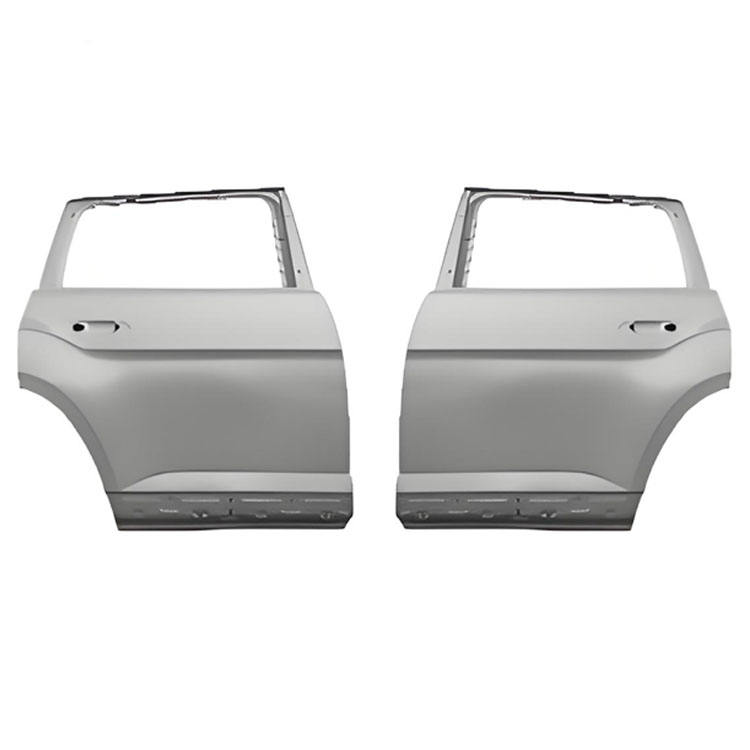
Technical compliance remains the primary barrier to smooth customs clearance and market entry. Production designs must align with strict global standards, backed by certifications such as CE (including certifications HK0624090150C and HK0624090149C) and European EPR registrations (DE1123252940071). To ensure 100% vehicle compatibility before dispatch, factories utilize modern testing protocols. These include dimensional checking via CMM to prevent alignment errors during installation in collision repair centers, along with comprehensive paint adhesion and thickness testing. 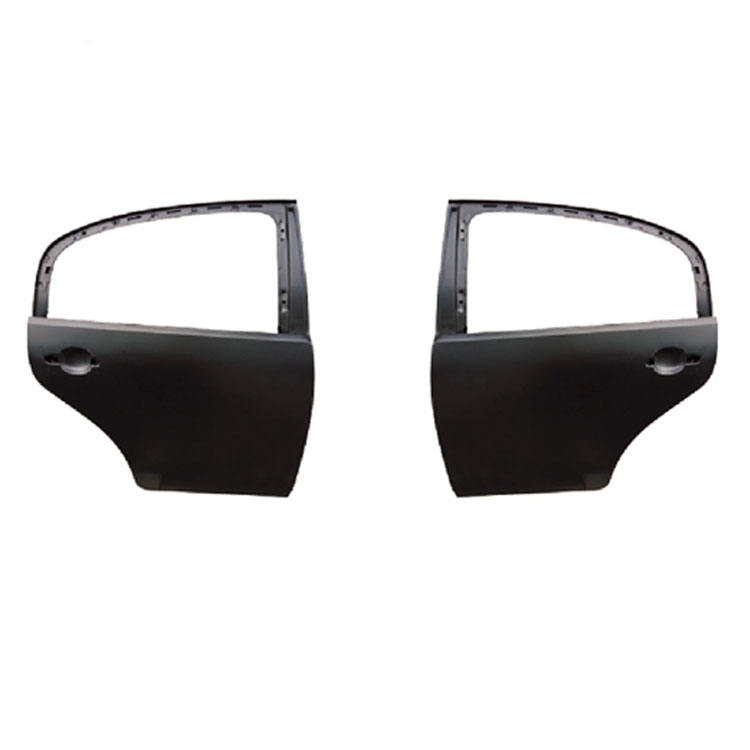
Data/Solution Comparison
The table below compares the standard Incoterms used when procuring heavy car doors, detailing the distribution of costs, risks, and logisitical obligations.
| Incoterm | Seller Obligations | Buyer Obligations | Risk Transfer Point | Recommended Shipping Methods |
|---|---|---|---|---|
| FOB (Free on Board) | Export customs clearance, inland transport to port, loading onto vessel. | Ocean freight, import customs clearance, local delivery, marine insurance. | When the goods are loaded safely onto the vessel at the port of origin. | Sea Freight (FCL/LCL), Railway Transport |
| CIF (Cost, Insurance & Freight) | Ocean freight booking, basic transit insurance, export customs clearance. | Import customs clearance, local port handling, final delivery to warehouse. | Once the goods are loaded onto the vessel (buyer bears transit risks). | Sea Freight (FCL/LCL) |
| EXW (Ex Works) | Packaging goods at the factory floor. | All shipping, export/import clearances, inland transit, and loading costs. | At the seller's factory warehouse doors. | International Express, Air Freight (Samples) |
| DDP (Delivered Duty Paid) | All logistics, shipping, import duties, taxes, and final destination delivery. | Unloading goods at the designated final destination. | At the buyer's specified delivery warehouse. | Multimodal Sea/Land Freight |
To support high-efficiency trade, transaction pipelines are secured via mainstream financial channels. Accepted payment methods include T/T (Telegraphic Transfer), D/P (Documents Against Payment), L/C (Letter of Credit), and Alipay, operating under standardized deposit structures and legally binding sales contracts. 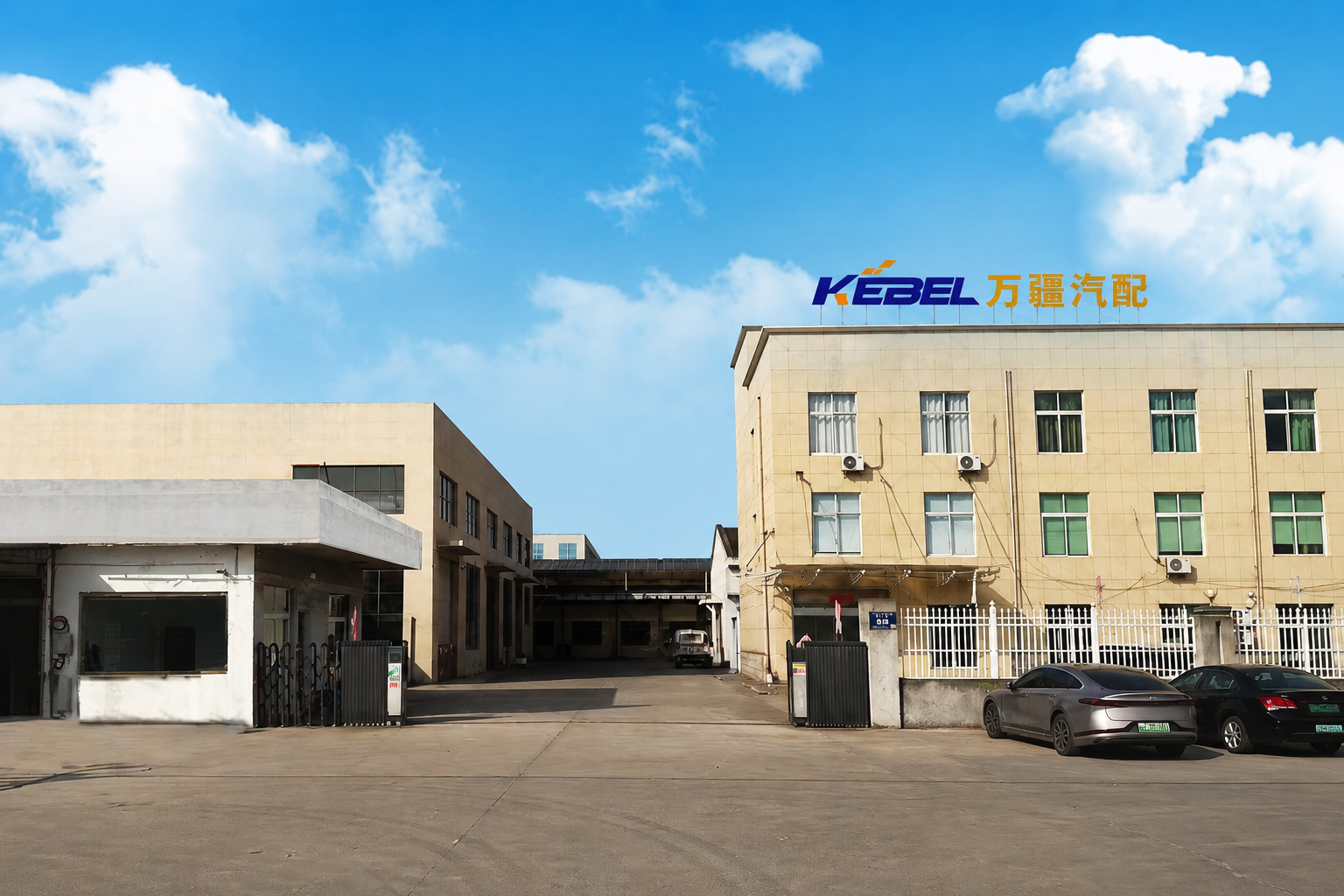
Frequently Asked Questions (FAQ)
What is the minimum order quantity (MOQ) and delivery timeline for car doors?
The MOQ for standard car door products is 5 pieces. Utilizing stock reserves, container loading and dispatch are completed within 7 days. Customized OEM/ODM orders require longer lead times depending on tooling design and manufacturing complexity.
How does the factory prevent damage to steel panels during sea transport?
All body panels undergo strict structural packaging using reinforced, export-grade materials. Pre-delivery visual inspection and documentation are provided. For transparency, high-definition videos or pictures are shared with customers prior to container loading.
What after-sales policies apply if a fitment or quality issue is detected upon arrival?
If fitment or manufacturing defects are verified as factory-side errors, the factory covers the complete replacement and re-shipping costs. For customer-related model selection errors, replacement parts and remote technical support are provided at factory cost price.
Final Conclusion & Recommendations
Selecting the correct Incoterms when importing heavy steel car doors balances cost efficiency against risk management. For seasoned importers with dedicated logistics networks, FOB provides maximum control over shipping times and local harbor costs. Buyers looking to minimize customs and freight management overhead should leverage CIF or DDP terms. Aligning these trade terms with rigorous quality checks—such as CMM measurements and paint testing—ensures that incoming body panels integrate seamlessly into global automotive repair and distribution chains. For detailed technical solutions or support, please reach out to us via sales01@cnkebel.com.
About Us
Danyang Wanjiang Auto Parts Co., Ltd. is a professional exporter of auto body parts based in Danyang, Jiangsu Province, with 18 years of manufacturing and export experience. Established in 2023, the company operates a 10,000 square meter factory with 80 employees, specializing in car doors, bumpers, grilles, headlights, engine hoods, and fenders. Holding CE and EPR certifications, the factory delivers an annual output value exceeding 50 million USD with exports reaching over 500 containers per year to the American and European automotive aftermarket.

Lastest
-
Can you manufacture a front bumper based on our proprietary 3D CAD files?
2026-06-30 -
Can you provide the DOT and SAE certification documents for this rear bumper?
2026-06-30 -
How many production lines do you dedicate to making this bumper upper?
2026-06-30 -
Is there an online portal to track aftermarket support for the front bumper assembly?
2026-06-30 -
What is the standard production lead time for a container of engine hoods?
2026-06-30
SUBSCRIBE
INQUIRY