What are the main differences in durability and fitment between ABS and PP plastic for aftermarket front bumpers?
- VIP-User
- 2026-06-29
- 43
Aftermarket front bumpers made of PP (polypropylene) plastic offer superior impact durability and flexibility, resisting cracks under stress, while ABS plastic provides higher rigidity and paint adhesion but is more prone to fracturing. For fitment, PP bumpers adapt better to minor vehicle alignment variances during installation, whereas ABS bumpers demand precise molded tolerances to prevent installation gaps.
Core Solutions & Key Takeaways
- Elasticity and Impact Resistance: PP plastic bumpers feature high flexibility, allowing them to absorb energy during low-speed impacts and rebound without breaking. ABS plastic is rigid and holds shapes strictly, but fractures easily under localized pressure.
- Tolerance and Fitment Dynamics: Aftermarket car front bumpers with wall thicknesses of 2.5 to 5.0 mm utilize direct bolt-on or clip-on installation methods. PP bumpers allow slight physical flexing during installation to accommodate aged or misaligned vehicle frames.
- Surface Finish and Painting: Both materials are supplied with a primed surface finish. PP requires specific adhesion promoters before painting, whereas ABS accepts primer and OEM paint formulations with minimal chemical preparation.
- Regulatory and Market Compliance: Quality front bumpers must meet international standards such as CE (Certificate HK0624090150C) and Germany's EPR (VerpackG) compliance for smooth global trade entry into American and European markets.
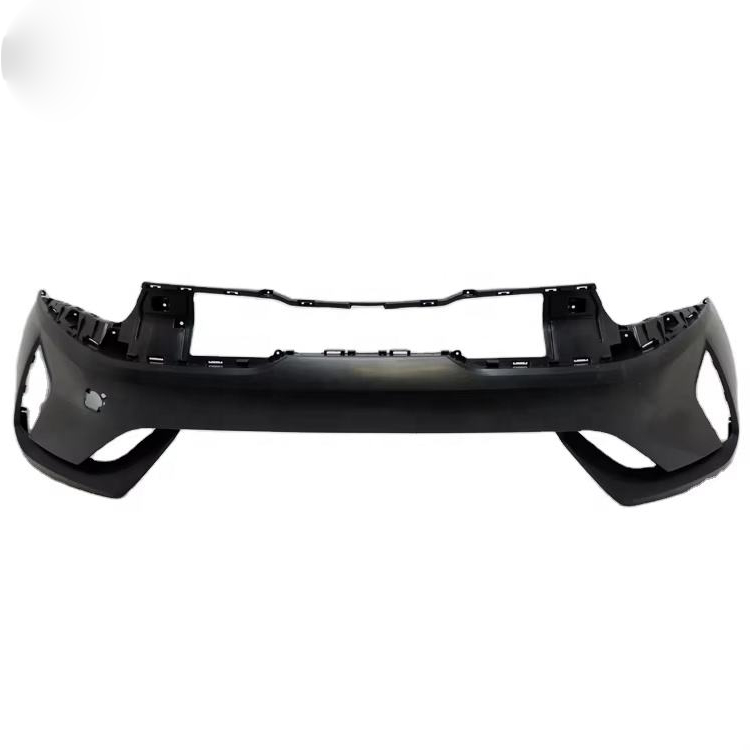
Engineers and collision repair specialists evaluate thermoplastic alternatives based on physical properties and field performance. In automotive manufacturing, Danyang Wanjiang Auto Parts Co., Ltd. leverages 18 years of OEM/ODM expertise to custom-develop bumper assemblies utilizing advanced tooling and a comprehensive vehicle database. This engineering background guarantees precise vehicle compatibility and structural integrity for American and German vehicle series. When addressing structural repairs, understanding polymer mechanics assists procurement managers in selecting components that reduce warranty claims and vehicle downtime.
Detailed Architectural/Principle Analysis
The performance differences between ABS (Acrylonitrile Butadiene Styrene) and PP (Polypropylene) stem directly from their chemical compositions. PP is a crystalline thermoplastic known for low density and high chemical resistance. Under mechanical stress, the molecular chains of PP slide past one another, absorbing impact energy. This prevents complete structural failure. Conversely, ABS is an amorphous polymer combining acrylonitrile for chemical resistance, butadiene for toughness, and styrene for rigidity. This combination produces a highly rigid structure with low thermal contraction, but reduces the material's ability to flex under sudden physical loads.
For global supply chains, manufacturing compliance acts as a verification mechanism. Reliable front bumpers are evaluated through visual inspections, dimensional measurements via coordinate measuring machines (CMM), and detailed paint testing. These products comply with CE standards and German EPR registration (DE1123252940071), ensuring they meet strict safety and environmental criteria for North American and European collision repair networks. Large-scale distributors and body shops rely on these certifications to mitigate regulatory liabilities and maintain high customer retention rates.
Data/Solution Comparison
| Evaluation Parameter | Polypropylene (PP) Bumper | Acrylonitrile Butadiene Styrene (ABS) Bumper |
|---|---|---|
| Material Structure | Crystalline Thermoplastic | Amorphous Polymer Blend |
| Wall Thickness Range | 2.5 – 5.0 mm | 2.5 – 5.0 mm |
| Impact Durability | High; absorbs shock and deforms without cracking | Moderate; prone to cracking under direct impact |
| Fitment Adaptability | Flexible; tolerates minor vehicle frame variances | Rigid; requires exact mold and zero frame warping |
| Surface Finish Process | Primed; requires plastic adhesion promoters | Primed; accepts paint coatings readily |
| Standard MOQ | 1 - 5 PCS | 1 - 5 PCS |
| Compliance Standard | CE / Germany EPR (VerpackG) | CE / Germany EPR (VerpackG) |
Frequently Asked Questions (FAQ)
What installation methods are used for these aftermarket bumpers?
Both PP and ABS front bumpers support direct bolt-on and clip-on installation methods. This allows them to utilize the original mounting points of the vehicle without requiring frame modifications.
How does temperature affect the durability of PP and ABS bumpers?
PP plastic remains relatively flexible in cold environments but can soften slightly in extreme heat, while ABS maintains rigidity across wider temperature variations but becomes highly brittle and susceptible to cracking in freezing temperatures.
How are these components packed and shipped globally?
Standard components are packed using reinforced, export-grade materials to prevent transit damage. Shipping options include Sea Freight (FCL/LCL), Air Freight, Railway Transport, and International Express channels such as DHL and FedEx, with standard inventory loaded within 7 days.
Final Conclusion & Recommendations
Selecting the optimal aftermarket bumper material requires matching performance requirements with market expectations. For general passenger vehicles prone to daily road debris and minor parking bumps, PP plastic bumpers provide superior elasticity and lifetime value. For specialty or show vehicles requiring strict dimensional stability and a glass-like paint finish, ABS plastic remains a viable option. For detailed technical solutions or support, please reach out to us via sales01@cnkebel.com.
About Us
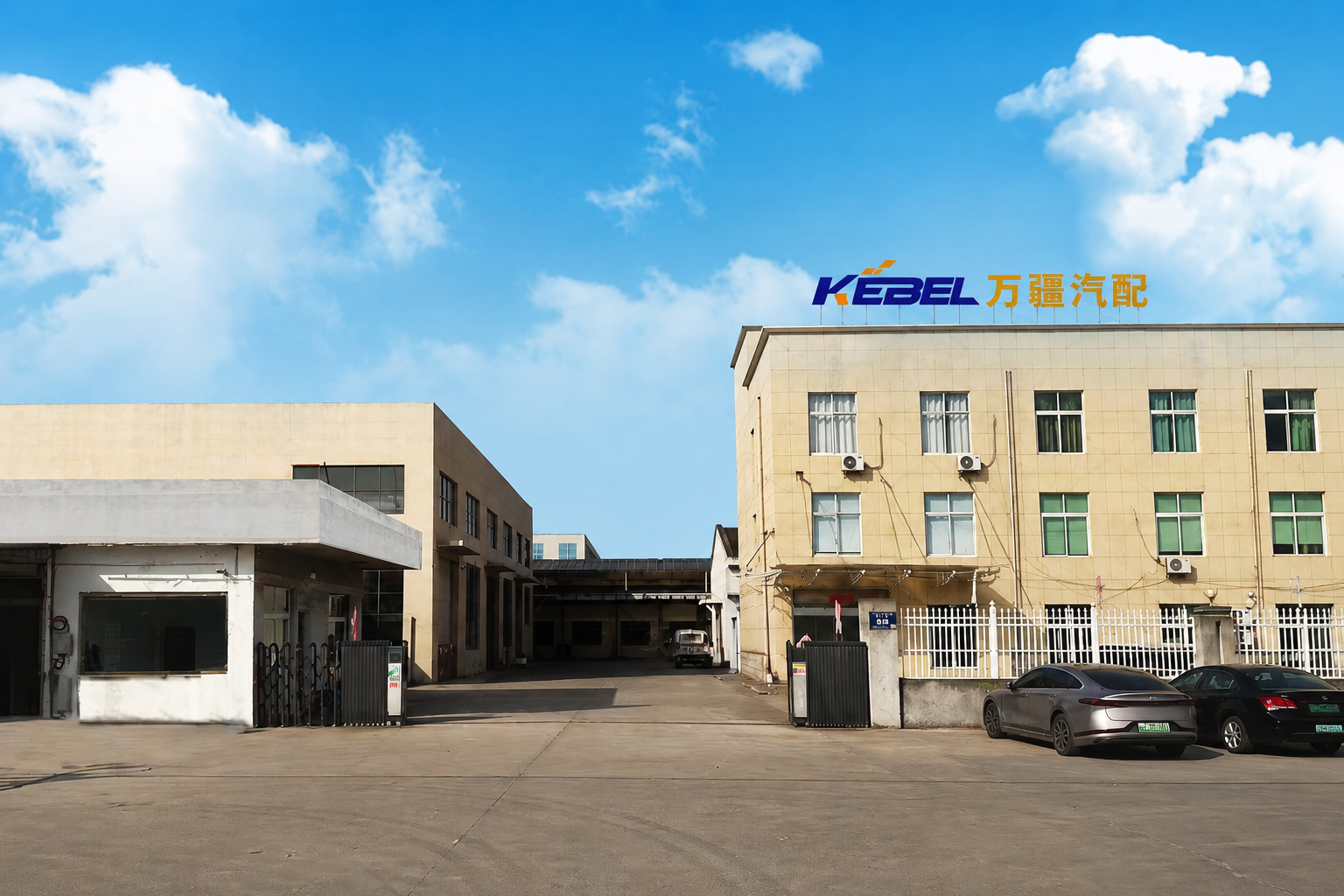
Danyang Wanjiang Auto Parts Co., Ltd. operates a 10,000 square meter factory in Jiangsu Province, specializing in the professional export of auto body parts. Backed by 18 years of manufacturing experience, the company maintains an annual output value exceeding 50 million USD, with exports reaching over 500 containers annually to American and European markets. Products are certified under CE (Certificate HK0624090150C) and comply with German EPR regulations, serving long-term global B2B clients in automotive collision repair and distribution networks.

Lastest
-
Can you manufacture a front bumper based on our proprietary 3D CAD files?
2026-06-29 -
Can you provide the DOT and SAE certification documents for this rear bumper?
2026-06-29 -
How many production lines do you dedicate to making this bumper upper?
2026-06-29 -
Is there an online portal to track aftermarket support for the front bumper assembly?
2026-06-29 -
What is the standard production lead time for a container of engine hoods?
2026-06-29
SUBSCRIBE
INQUIRY