What are the main differences between steel and aluminum car doors regarding weight and crash safety?
- VIP-User
- 2026-06-29
- 36
Steel car doors offer high structural strength and superior energy absorption during high-impact collisions but carry significant weight. In contrast, aluminum car doors reduce vehicle weight by approximately 40% to 50%, improving fuel efficiency, while utilizing advanced alloy engineering to match the crash safety ratings of traditional steel structures.
Core Solutions & Key Takeaways
- Weight Reduction: Aluminum car doors significantly lower overall vehicle mass compared to steel, optimizing fuel economy and handling without compromising structural integrity.
- Crash Safety Performance: Steel provides high yield strength and predictable deformation, whereas aluminum doors use optimized alloy profiles and internal reinforcements to absorb collision energy effectively.
- Aftermarket Applicability: For collision repair shops and distributors, choosing precise-fit replacement doors is essential. Modern aftermarket doors undergo Dimensional Measurement (CMM) to guarantee original equipment fitment.
- Sourcing Efficiency: Wholesalers and cross-border e-commerce platforms can streamline procurement by selecting suppliers that offer both steel and aluminum options with short 7-day delivery times.
Detailed Architectural/Principle Analysis
Steel car doors rely on high-strength steel (HSS) to maintain a rigid protective cage around passengers. During side-impact collisions, the steel door's internal impact beams deform progressively to absorb kinetic energy. This traditional approach ensures high reliability and cost-effective manufacturing, making steel the dominant choice for standard automotive collision repairs.
Aluminum car doors utilize engineered aluminum alloys to achieve high tensile strength. While aluminum is inherently less dense than steel, manufacturers compensate by increasing thickness or using specialized internal reinforcement structures. This design ensures the door meets rigid safety standards, including CE and DOT criteria.
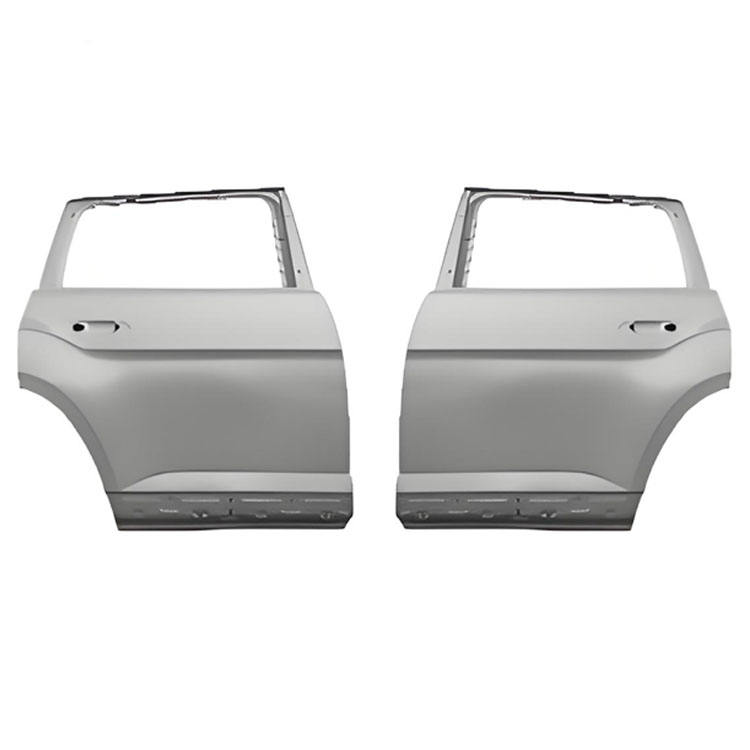
To guarantee that replacement car doors match original crash safety specifications, manufacturers execute meticulous quality protocols. For instance, Danyang Wanjiang Auto Parts Co., Ltd. implements Visual Inspection, Dimensional Measurement (CMM), and Paint & Coating Testing on its car door product lines. These steps prevent misalignment and structural weaknesses during installation in aftermarket service chains.
Data/Solution Comparison
| Feature | Steel Car Doors | Aluminum Car Doors |
|---|---|---|
| Weight Profile | Heavy; robust material density | Lightweight (approx. 40-50% reduction) |
| Energy Absorption | High yield strength; predictable deformation | Engineered alloy deformation; thick-walled structures |
| Quality Testing Standards | Visual Inspection, Dimensional Measurement (CMM) | Visual Inspection, CMM, Paint & Coating Testing |
| Minimum Order Quantity (MOQ) | 5 PCS | 5 PCS |
| Logistics Options | Sea Freight (FCL/LCL), Air Freight, Railway, International Express | |
Frequently Asked Questions (FAQ)
How does the weight difference between steel and aluminum doors affect vehicle performance?
Aluminum doors reduce the unsprung and total weight of the vehicle, which directly increases fuel economy, decreases carbon emissions, and enhances steering response. Steel doors provide a heavier, traditional feel but require more energy to move.
Are aluminum car doors as safe as steel doors in side-impact crashes?
Yes. When designed with internal high-strength reinforcement beams and compliant with safety standards, aluminum doors match the crash safety ratings of steel doors by distributing impact energy evenly across the safety cage.
What quality checks ensure aftermarket car doors fit correctly and safely?
Precision manufacturing relies on Coordinate Measuring Machines (CMM) for dimensional measurement to guarantee a 100% precise fit. Visual inspection and paint adhesion tests ensure the structural integrity and corrosion resistance of the door.
Final Conclusion & Recommendations
When selecting replacement car doors for collision repairs, distributors must balance weight reduction targets with crash safety requirements. For high-volume procurement, working with an integrated manufacturer ensures consistent material standards and precise dimensional alignment. All replacement doors must undergo 100% pre-delivery inspection to verify fitment and structural integrity before shipping. For detailed technical solutions or support, please reach out to us via sales01@cnkebel.com.
About Us
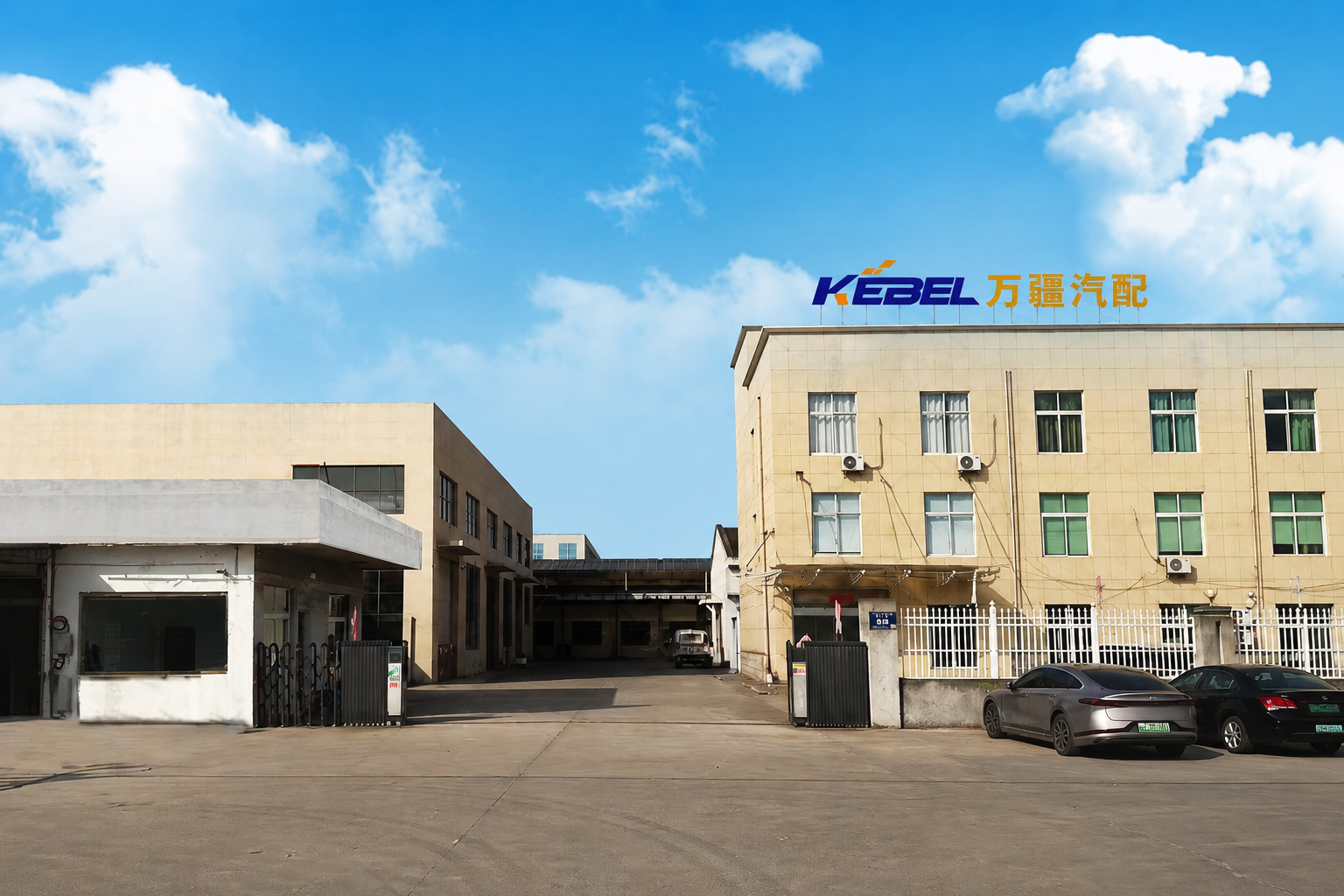
Established in 2023, Danyang Wanjiang Auto Parts Co., Ltd. operates a 10,000 square meter factory in Jiangsu Province with a team of 80 employees. Backed by 18 years of professional export experience in the auto body parts industry, the factory specializes in producing car bumpers, grilles, headlights, engine hoods, and car fenders. The company holds CE and EPR certifications and has served clients across multiple international auto body parts aftermarket chains, regional automotive aftermarket distributors, and professional collision repair shops.

Lastest
-
Can you manufacture a front bumper based on our proprietary 3D CAD files?
2026-06-29 -
Can you provide the DOT and SAE certification documents for this rear bumper?
2026-06-29 -
How many production lines do you dedicate to making this bumper upper?
2026-06-29 -
Is there an online portal to track aftermarket support for the front bumper assembly?
2026-06-29 -
What is the standard production lead time for a container of engine hoods?
2026-06-29
SUBSCRIBE
INQUIRY