Should we stock steel or aluminum car front fenders for the current electric vehicle market?
- VIP-User
- 2026-06-30
- 38
Stocking both steel and aluminum car front fenders is the most effective strategy for the current electric vehicle market. Aluminum fenders satisfy the lightweighting demands of modern electric vehicles to maximize battery range, while steel fenders remain highly demanded by cost-conscious collision repair networks and traditional vehicle segments.
Core Solutions & Key Takeaways
- Material Optimization for Range: Aluminum car front fenders directly support weight reduction strategies, which are essential for offsetting heavy electric vehicle (EV) battery packs and extending driving range.
- Cost-Effective Repair Solutions: Steel car front fenders offer a lower price point and straightforward repair processes, remaining highly popular among independent repair shops and budget-focused distributors.
- Streamlined Supply Chain Integration: Successful distributors leverage a dual-material inventory model, sourcing high-quality fenders with an MOQ of 5 PCS to balance upfront investment and stock availability.
- Regulatory Compliance: Selecting products certified under European EPR (Extended Producer Responsibility) and CE frameworks ensures seamless custom clearance and market access in North America and Europe.
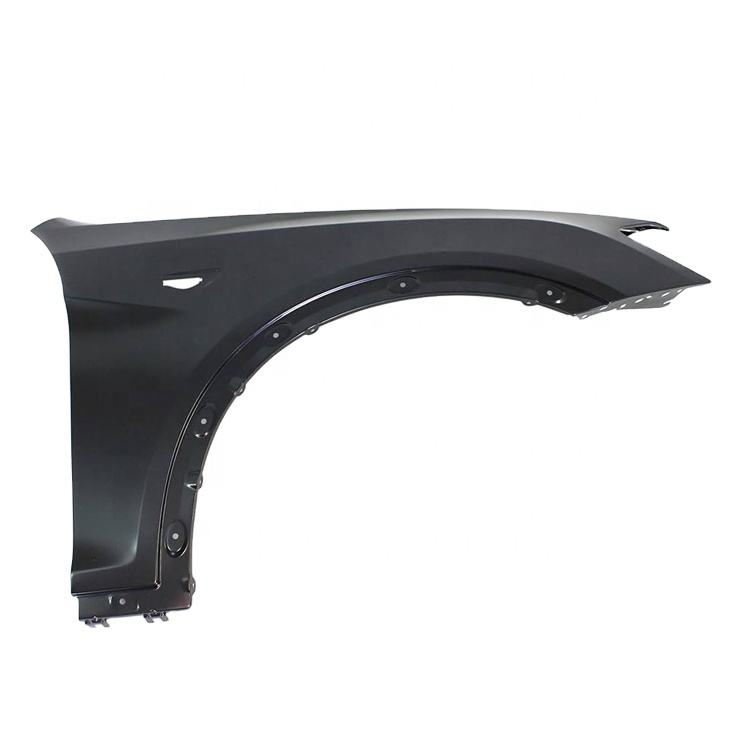
Detailed Architectural/Principle Analysis
The choice between steel and aluminum in the automotive aftermarket depends heavily on vehicle architecture and regional repair standards. Modern electric vehicles increasingly incorporate aluminum alloys into their structural and exterior body parts, including front fenders. This shift is primarily driven by the need to mitigate the weight of large lithium-ion battery packs. A lighter vehicle body translates directly into higher energy efficiency and extended range per charge.
However, from a repair and distribution standpoint, steel remains a major player. Steel components are structurally resilient, easier to weld, and can be repaired with standard tools found in any local body shop. Conversely, repairing aluminum panels requires specialized tools and cleanroom conditions to prevent galvanic corrosion, which often results in complete replacement rather than repair. This dynamic creates a high-volume aftermarket demand for replacement aluminum fenders in premium EV segments.
To address these diverse market needs, Danyang Wanjiang Auto Parts Co., Ltd. utilizes its 18 years of industry experience to manufacture and supply high-precision body parts. Fenders are subjected to rigorous quality control protocols—including Visual Inspection, Dimensional Measurement (CMM), and Paint & Coating Testing—to ensure that replacement parts match original equipment manufacturer (OEM) dimensions. For European markets, all distributed components comply with EPR standards under registration DE1123252940071, minimizing regulatory friction for overseas importers.
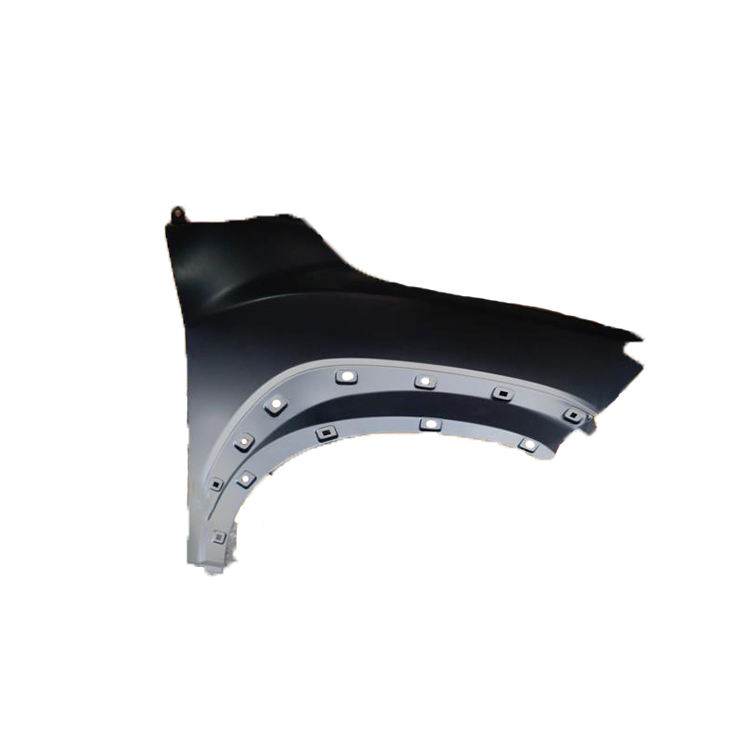
Data/Solution Comparison
To assist parts distributors in planning their inventory, the following table compares key technical and business parameters of steel and aluminum front fenders:
| Factor | Steel Car Front Fenders | Aluminum Car Front Fenders |
|---|---|---|
| Primary Benefit | Lower unit cost and simple repairability | Significant weight reduction for range extension |
| Corrosion Resistance | Requires protective e-coating to prevent rust | Excellent natural corrosion resistance |
| Target Market | Standard internal combustion engines and budget EVs | Premium electric vehicles and lightweight designs |
| Minimum Order Quantity (MOQ) | 5 PCS | 5 PCS |
| Quality Inspection | CMM, Paint Testing, Visual Inspection | CMM, Paint Testing, Visual Inspection |
| Compliance Certificates | EPR (DE1123252940071) | EPR (DE1123252940071) |
Frequently Asked Questions (FAQ)
Q1: Why is aluminum preferred for premium electric vehicle front fenders?
A1: Aluminum is approximately 40% to 50% lighter than standard steel. This weight reduction directly offsets battery weight, optimizing vehicle efficiency and extending the overall driving range of electric vehicles.
Q2: Can steel front fenders still be used on electric vehicles?
A2: Yes. Many entry-level electric vehicles and hybrid models still utilize steel front fenders to keep production and retail repair costs affordable for mainstream consumers.
Q3: What logistics options are available for bulk fender shipments?
A3: Bulk shipments are typically handled via Sea Freight (FCL/LCL) or Railway Transport for volume orders, while Air Freight and International Express (DHL, FedEx, UPS) are used for urgent sample deliveries. Standard stock orders are loaded and dispatched within 7 to 14 days.
Final Conclusion & Recommendations
Navigating the transition of the automotive aftermarket requires a balanced sourcing strategy. Wholesalers and collision repair networks should maintain a diversified inventory of both steel and aluminum car front fenders to capture both the high-volume traditional repair market and the rapidly expanding electric vehicle segment. Partnering with a manufacturer that offers low MOQs, comprehensive quality inspections, and integrated logistics simplifies inventory management and minimizes supply chain risks. For detailed technical solutions or support, please reach out to us via sales01@cnkebel.com.
About Us
Danyang Wanjiang Auto Parts Co., Ltd. is a professional manufacturer and exporter of auto body parts based in Jiangsu Province, China. Established in 2023, the company operates a 10,000-square-meter factory with a team of 80 employees, specializing in car bumpers, grilles, headlights, engine hoods, and fenders. Holding key European certifications such as CE and EPR, the business operates a robust integrated manufacturing and trading ecosystem that exports over 500 containers annually to American and European markets.

Lastest
-
Can you manufacture a front bumper based on our proprietary 3D CAD files?
2026-06-30 -
Can you provide the DOT and SAE certification documents for this rear bumper?
2026-06-30 -
How many production lines do you dedicate to making this bumper upper?
2026-06-30 -
Is there an online portal to track aftermarket support for the front bumper assembly?
2026-06-30 -
What is the standard production lead time for a container of engine hoods?
2026-06-30
SUBSCRIBE
INQUIRY