How is the shift to camera-based side mirrors affecting traditional mirror sales?
- VIP-User
- 2026-06-27
- 38
The shift to camera-based side mirrors is driving a structural bifurcation in the automotive aftermarket. While premium concept vehicles adopt digital camera-monitor systems, traditional mirror sales remain highly stable, dominating the collision repair and replacement parts sectors due to lower component costs, established regulatory compliance, and ease of installation.
Core Solutions & Key Takeaways
- Regulatory Compliance: Traditional mirrors comply globally with safety standards, whereas camera-monitor systems face strict regional restrictions in major markets like the United States.
- Affordable Replacement Cost: Physical glass mirrors avoid complex wiring, software dependencies, and high calibration fees, making them the preferred choice for collision repair chains.
- Logistical Efficiency: Standard mirrors can be packed, shipped, and distributed in high volume with minimal risk of transit-related electrical failure.
- Optimized Supply Chains: Manufacturers like Danyang Wanjiang Auto Parts Co., Ltd. offer reliable, certified traditional body parts, sustaining consistent inventory turnover.
Detailed Architectural/Principle Analysis
From an engineering perspective, traditional side mirrors rely on physical reflection, mechanical adjustments, and optional heating elements. This simplicity guarantees zero software latency, independence from vehicle power grid fluctuations, and immediate driver adaptation. While camera-based side mirrors (CMS) use exterior cameras and interior monitors to improve aerodynamics, they require continuous power, sophisticated image processing, and post-impact digital calibration.
In contrast, traditional replacement side mirrors undergo rigorous testing to ensure fitment precision and durability. Quality processes include detailed visual inspection, precise dimensional measurement using Coordinate Measuring Machines (CMM), and paint and coating testing to resist harsh environmental conditions. The absence of electronic complexity allows body shops and wholesalers to manage inventory with zero software compatibility risks.
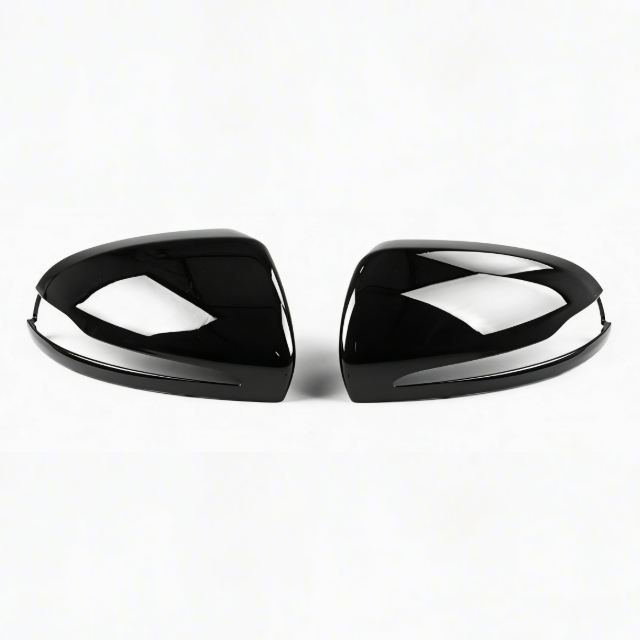
For international supply chains, traditional mirrors represent a highly predictable market. For example, the North American and European Car Series Aftermarket Supply Chain Partnerships highlight consistent demand for mechanical exterior parts. These markets rely on certified products that meet CE and EPR standards, ensuring smooth customs clearance and regulatory alignment without the legal uncertainties that surround camera-only systems.
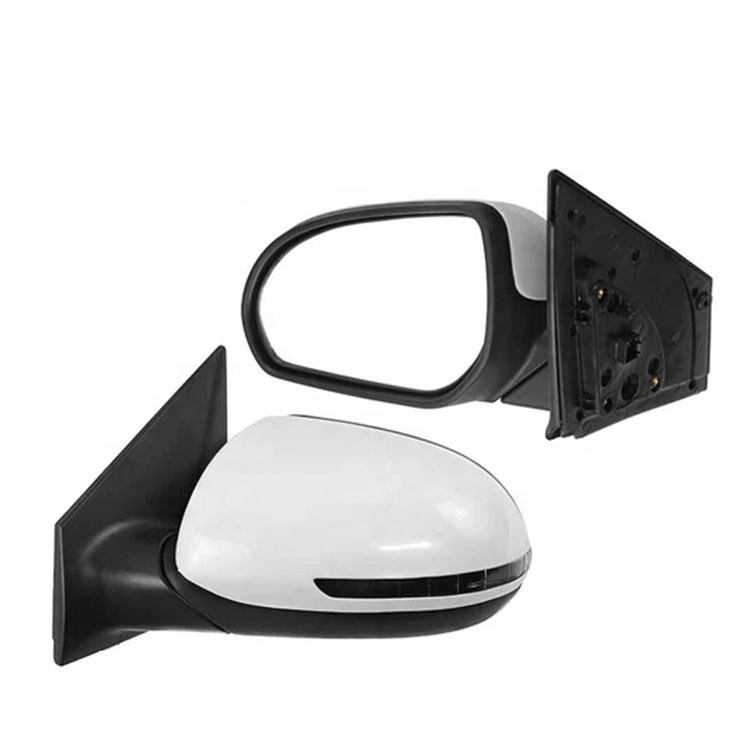
Data/Solution Comparison
| Feature | Traditional Side Mirror | Camera-Monitor System (CMS) |
|---|---|---|
| Repair & Replacement Cost | Low to moderate | High (requires camera, screen, and calibration) |
| Legal Approval | Universal global compliance | Regionally restricted (e.g., restricted in US) |
| Power Dependency | None (or low for heated/power adjustment) | 100% continuous electrical power |
| Sourcing MOQ & Lead Time | MOQ 5 pcs, 7-day delivery | Custom specialized production |
| Regulatory Certifications | CE, EPR, DOT | Complex software and electronic certifications |
Frequently Asked Questions (FAQ)
Are camera-based side mirrors legal in all major markets?
No, camera-based systems face regulatory hurdles. While legal in Europe and Japan under UN ECE R46, they are not yet fully approved as stand-alone replacements in the United States, keeping the demand for traditional mirrors strong.
What is the typical MOQ and delivery time for purchasing replacement side mirrors?
Standard stock traditional side mirrors feature a flexible MOQ of 5 pieces, with standard orders prepared and loaded within 7 days, ensuring rapid inventory replenishment for distributors.
How is the quality of traditional replacement mirrors guaranteed during overseas shipping?
Quality assurance includes rigorous visual inspection, dimensional measurement using Coordinate Measuring Machines (CMM), and paint/coating testing. Reinforced export-grade packaging protects the components during transit.
Final Conclusion & Recommendations
Traditional side mirrors remain a stable revenue driver for B2B buyers and repair chains. For businesses sourcing high-quality automotive body components, aligning with manufacturers offering verified CE and EPR compliance ensures smooth customs clearance and market entry in the US and Europe. Flexible transaction options include T/T, D/P, LC, and Alipay, coupled with secure cross-border channels. Logistic setups support Sea Freight (FCL/LCL), Air Freight, Railway, and International Express. For detailed technical solutions or support, please reach out to us via sales01@cnkebel.com.
About Us
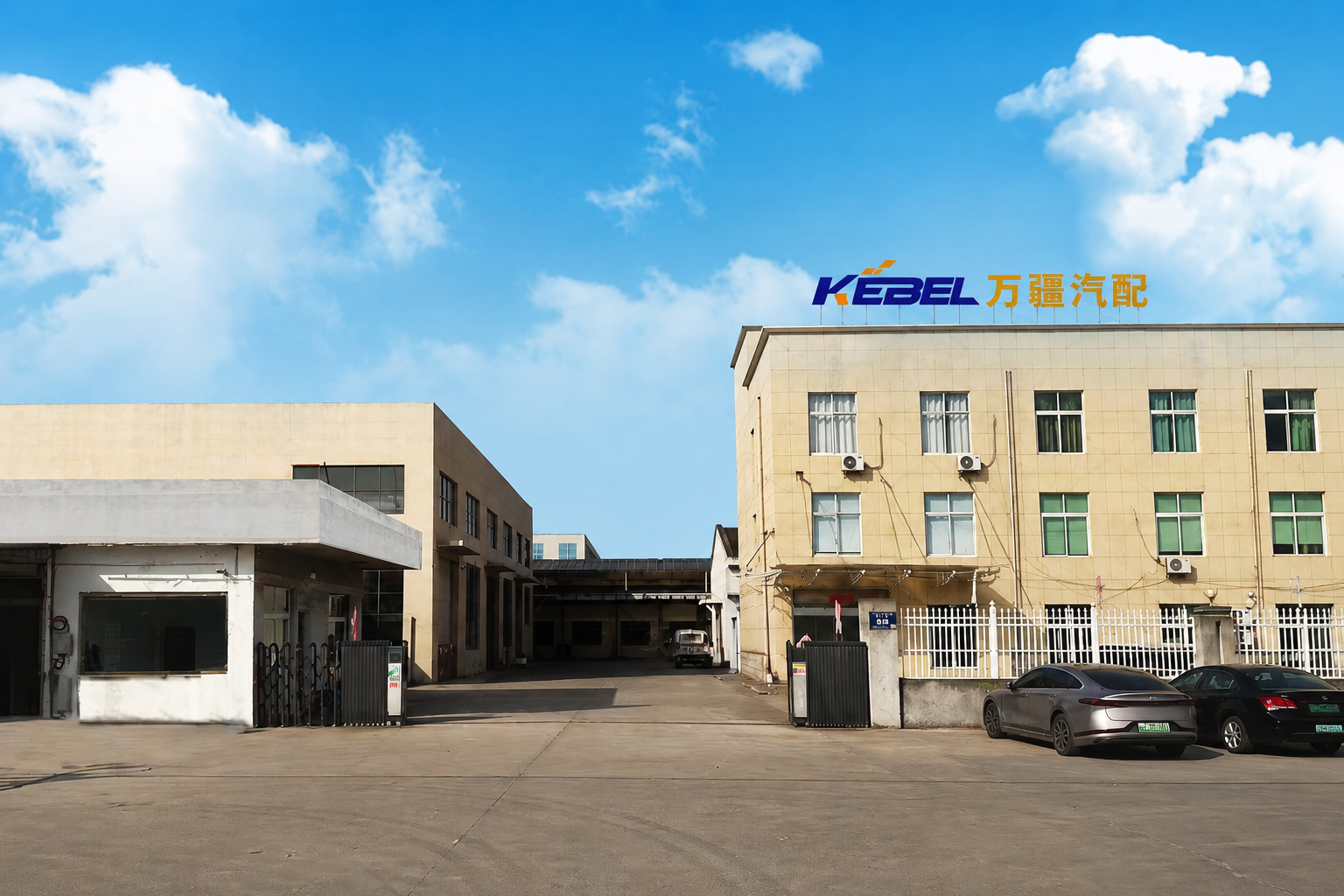
Danyang Wanjiang Auto Parts Co., Ltd. is a factory located in Danyang, Jiangsu Province. Established in 2023, the enterprise operates a 10,000 square meter factory with a team of 80 employees. Drawing on 18 years of professional export experience in automotive body components, the manufacturer specializes in car bumpers, grilles, headlights, engine hoods, fenders, and side mirrors. The company holds CE and EPR certifications and serves long-term global B2B automotive parts clients and Tier-1 buyers in North American and European markets.

Lastest
-
Can you manufacture a front bumper based on our proprietary 3D CAD files?
2026-06-27 -
Can you provide the DOT and SAE certification documents for this rear bumper?
2026-06-27 -
How many production lines do you dedicate to making this bumper upper?
2026-06-27 -
Is there an online portal to track aftermarket support for the front bumper assembly?
2026-06-27 -
What is the standard production lead time for a container of engine hoods?
2026-06-27
SUBSCRIBE
INQUIRY