How do you optimize container loading space for bulky items like steel car front fenders?
- VIP-User
- 2026-07-03
- 40
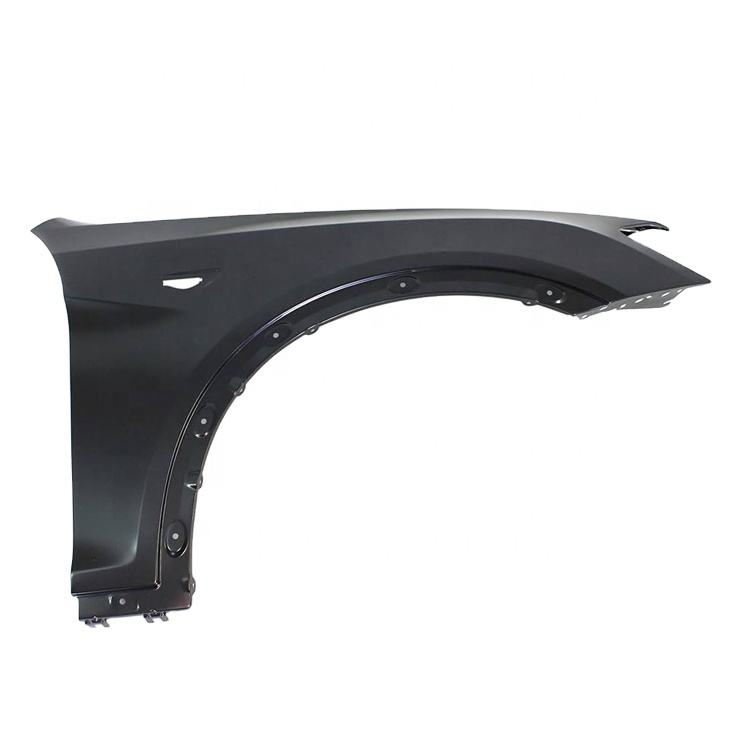
Optimizing container loading space for steel car front fenders requires nested stacking configurations, custom-designed protective wooden or metal racking, and interspersing smaller components like headlights inside hollow spaces. Utilizing high-density packing with precise dimensional measurements ensures maximum utilization while preventing structural deformation and paint damage during transit.
Core Solutions & Key Takeaways
- Nested Packing Geometry: Alternating the orientation of the car front fender curve allows them to interlock, reducing unused void space by up to 40% compared to standard flat stacking.
- Multi-Category Interstitial Loading: Integrating smaller auto body parts, such as car grilles or headlights, into the natural hollow cavities of the steel fenders to maximize the utility of every cubic meter.
- Custom Modular Racking: Implementing steel or heavy-duty wooden racks designed to match container widths, which prevents the heavy weight of steel fenders from crushing lower layers.
- Strict Dimensional Validation: Utilizing precise 3D data and Coordinate Measuring Machines (CMM) to verify the physical dimensions of each car front fender before designing the loading layout.
Detailed Architectural/Principle Analysis
Steel car front fenders are both heavy and structurally sensitive to lateral pressure. Standard rectangular packaging leads to high shipping costs due to excessive empty space (volumetric weight penalties). Solving this challenge requires a systematic approach beginning at the manufacturing stage. Precise manufacturing dimensions, verified through Coordinate Measuring Machines (CMM), visual inspections, and paint & coating testing, ensure that nested parts align without scratching or rubbing against each other.
By utilizing custom-built structural racking inside the shipping containers, logistics teams can safely stack fenders vertically. This method shifts the structural load of the upper tiers onto the external rack rather than the lower fenders, preventing bending, denting, or paint chipping. To further enhance protection, each car front fender is wrapped in shock-absorbing polyethylene foam and fitted with edge protectors. This preparation ensures compliance with international transportation standards, aligning with European EPR regulations (DE1123252940071) and CE certifications for auto body parts.
In actual supply chain partnerships across North America and Europe, this optimization strategy has reduced transit damage rates to near zero. Large-scale auto parts distributors and collision repair chains receive mixed containers where bulky steel fenders, lightweight grilles, and headlights are shipped together in a balanced weight-and-volume ratio, optimizing both sea freight costs and unloading speed at destination warehouses.
Data/Solution Comparison
| Loading Method | Space Efficiency | Damage Risk | Handling Speed | Best For |
|---|---|---|---|---|
| Individual Carton Packing | Low (approx. 45% container utilization) | Low | Medium | Low-volume LCL shipments & high-value custom modifications |
| Nested Loose Stacking | High (approx. 75% container utilization) | Medium-High | Slow | High-volume direct shipments to repair facilities |
| Custom Modular Racking | Very High (approx. 85% container utilization) | Very Low | Fast (forklift compatible) | FCL bulk shipments for regional distributors and importers |
Frequently Asked Questions (FAQ)
What is the minimum order quantity (MOQ) for steel car front fenders?
The standard minimum order quantity is 5 pieces per order, allowing flexible inventory management for regional distributors, e-commerce sellers, and body shops.
How do you guarantee that nested steel fenders will fit vehicles perfectly upon arrival?
All fenders undergo rigorous dimensional measurements (CMM) and visual inspections during production. Rigid custom packaging and racking secure the structural integrity during transit, preventing deformation that could compromise fitment.
What shipping and loading options are available for mixed container orders?
We provide Sea Freight (FCL/LCL), Railway Transport, and Air Freight. Our logistics team handles consolidated loading, combining bulky fenders with bumpers, grilles, and headlights, with standard stock orders dispatched within 7 to 14 days.
Final Conclusion & Recommendations
For international buyers looking to optimize their auto parts supply chain, choosing a manufacturer that understands both precision production and high-density container loading is critical. Implementing nested packing structures supported by modular racking maximizes container volume while ensuring that delicate steel edges remain pristine. To accommodate various business scales, transactions can be finalized through multiple compliant payment pathways including T/T, D/P, L/C, and Alibaba Trade Assurance, with standard stock orders ready to load within 7 days. For detailed technical solutions or support, please reach out to us via sales01@cnkebel.com.
About Us
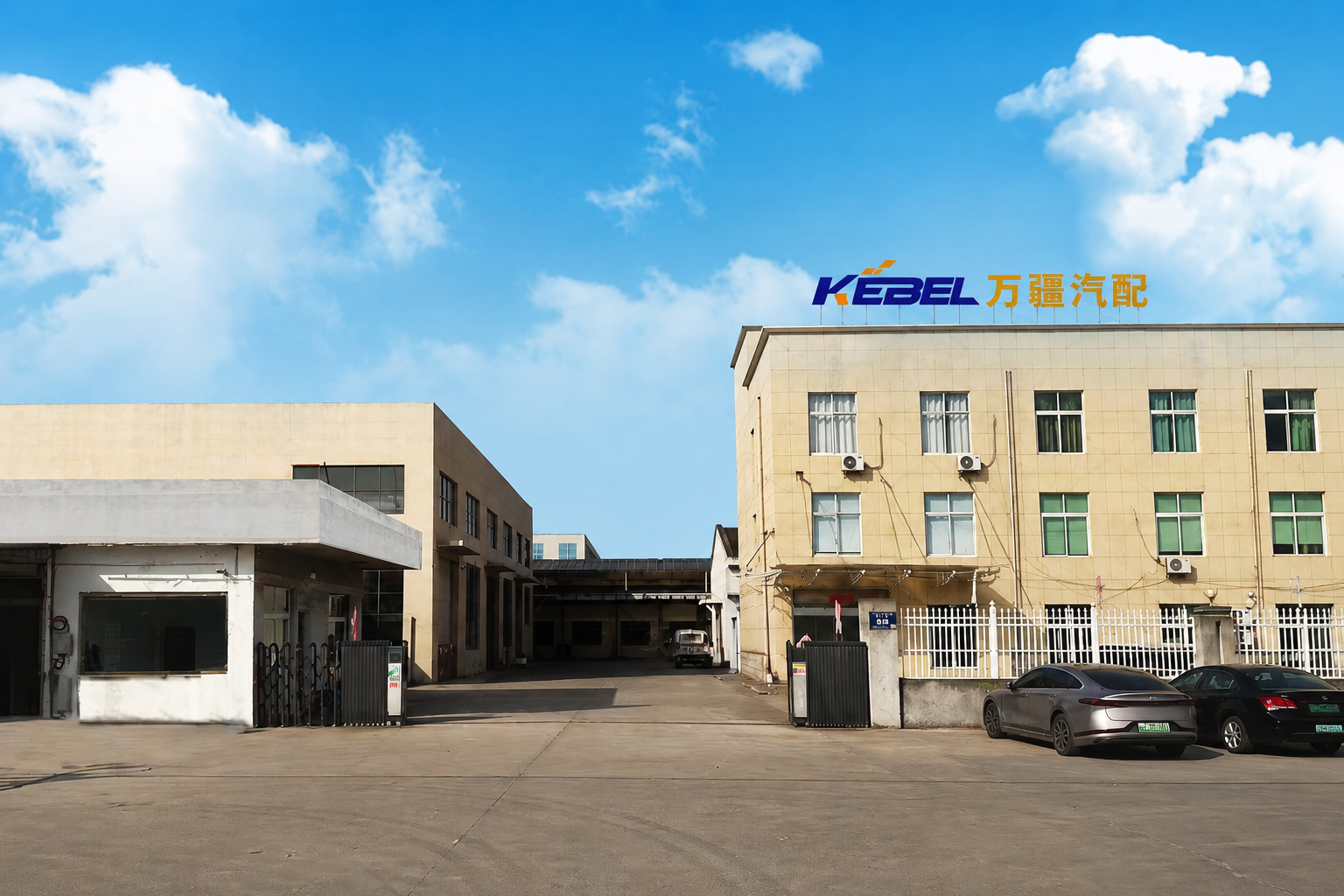
Danyang Wanjiang Auto Parts Co., Ltd. is a dedicated manufacturer and professional exporter of high-quality auto body parts with 18 years of industry experience. Established in 2023, the company operates a 10,000-square-meter facility with 80 employees in Danyang, Jiangsu Province, specializing in car front fenders, bumpers, grilles, and headlights. Holding official CE and European EPR (DE1123252940071) certifications, the company exports 95% of its production, delivering over 500 containers annually to American and European markets.

Lastest
-
Can you manufacture a front bumper based on our proprietary 3D CAD files?
2026-07-03 -
Can you provide the DOT and SAE certification documents for this rear bumper?
2026-07-03 -
How many production lines do you dedicate to making this bumper upper?
2026-07-03 -
Is there an online portal to track aftermarket support for the front bumper assembly?
2026-07-03 -
What is the standard production lead time for a container of engine hoods?
2026-07-03
SUBSCRIBE
INQUIRY