How do I choose the right material for a bumper upper to ensure it meets OEM crash test standards?
- VIP-User
- 2026-06-30
- 40
Choosing the right material for a bumper upper requires selecting high-impact polymers like polypropylene (PP) or acrylonitrile butadiene styrene (ABS) with a wall thickness of 2.5 to 5.0 mm. These materials absorb collision energy through controlled deformation, ensuring compliance with CE and DOT crash safety standards for vehicle front-end protection.
Core Solutions & Key Takeaways
- Material Grade Selection: Employing impact-modified polypropylene (PP) or ABS provides the essential ductility needed to prevent brittle fracturing during structural crash tests.
- Optimized Wall Thickness: Maintaining a precise thickness range of 2.5 to 5.0 mm ensures structural integrity under low-speed impact conditions while keeping the component lightweight.
- Precise Vehicle Fitment: Utilizing coordinate measuring machines (CMM) and advanced tooling ensures the front bumper upper aligns with the structural mounting points of American and German vehicle series.
- Regulatory Compliance: Selecting components certified with CE markings and Germany EPR (VerpackG) compliance guarantees the material meets international safety and environmental entry standards.
Detailed Architectural/Principle Analysis
The bumper upper acts as a critical interface in the vehicle front-end collision energy management system. During an impact, this component must bend or deform without shattering, transferring kinetic energy to the primary crumple zones. High-impact polypropylene (PP) is the industry standard for this application due to its exceptional fatigue resistance and low-temperature impact strength. For applications demanding structural rigidity and superior surface finish, ABS or carbon fiber provides the necessary mechanical properties to prevent collapse under high wind resistance or minor vibrations.
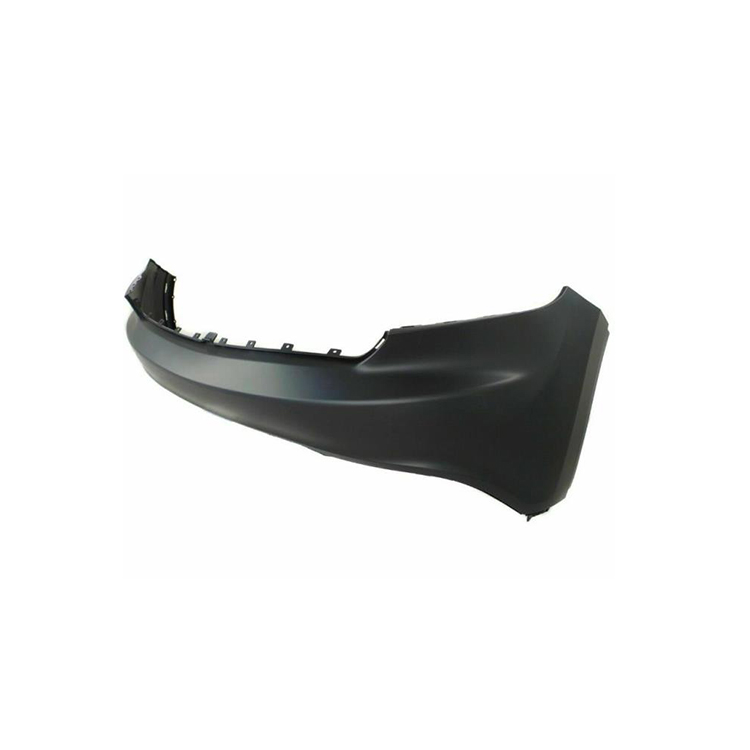
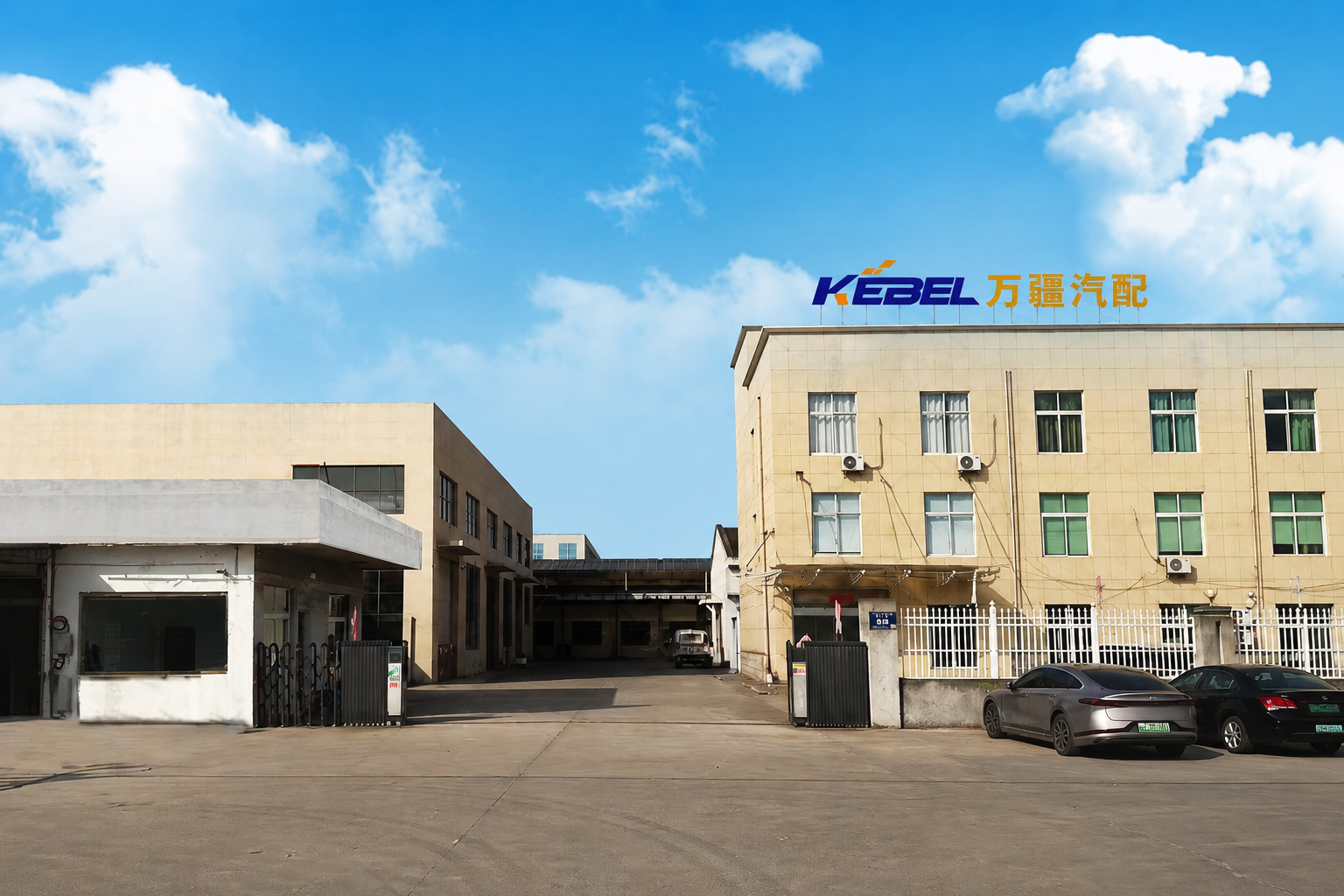
To achieve OEM-level crash performance, manufacturing precision is required. Danyang Wanjiang Auto Parts Co., Ltd. leverages 18 years of OEM/ODM expertise to custom-develop car bumper assemblies. The production process integrates a comprehensive database to guarantee 100% precise fitment for American and German vehicle series. Quality assurance protocols—including visual inspection, dimensional measurement using CMM, and paint/coating testing—ensure that every front bumper upper matches the required mechanical tolerances. The finished primed parts support both direct bolt-on and clip-on installation methods, preventing stress concentration points that could lead to material failure during a collision.
Data/Solution Comparison
The table below compares the performance characteristics of different bumper upper materials based on physical properties and compliance criteria:
| Material Option | Wall Thickness | Impact Resistance | Installation Method | Compliance Standards |
|---|---|---|---|---|
| Polypropylene (PP) | 2.5 – 5.0 mm | High (Excellent energy absorption) | Direct Bolt-on / Clip-on | CE, Germany EPR (VerpackG) |
| ABS | 2.5 – 4.0 mm | Medium-High (High structural rigidity) | Direct Bolt-on | CE |
| Carbon Fiber | 1.5 – 3.0 mm | Extremely High (Lightweight/Rigid) | Bolt-on / Clip-on | CE |
Frequently Asked Questions (FAQ)
Q1: Why is wall thickness critical for meeting OEM crash test standards?
A1: Wall thickness between 2.5 and 5.0 mm prevents premature cracking under impact, distributing the collision force evenly across the vehicle's crumple zones to protect passenger and pedestrian safety.
Q2: What role does the surface finish play in the longevity of the bumper upper?
A2: A primed surface finish acts as a protective barrier, ensuring optimal paint adhesion and resistance to environmental degradation, preventing chemical weakening of the underlying polymer.
Q3: How do manufacturers verify the fitment of aftermarket bumper uppers?
A3: Manufacturers utilize Coordinate Measuring Machine (CMM) dimensional measurement and test-fitting on OEM vehicle frames to guarantee the mounting clips and bolt holes align perfectly with original vehicle structures.
Final Conclusion & Recommendations
Selecting the correct material for a front bumper upper depends on balancing structural flexibility and impact absorption. For high-volume automotive collision repair and distribution, primed PP provides the most reliable performance, combining easy clip-on installation with certified CE and Germany EPR safety standards. Procuring through an integrated manufacturer and exporter allows access to extensive ready-to-ship inventory with a low MOQ of 5 pieces. For detailed technical solutions or support, please reach out to us via sales01@cnkebel.com.
About Us
Danyang Wanjiang Auto Parts Co., Ltd. is an established exporter of auto body parts based in Jiangsu Province, China. Operating a 10,000-square-meter factory with 80 employees, the company specializes in manufacturing car bumpers, grilles, headlights, engine hoods, and fenders. The facility maintains certifications including CE (HK0624090150C for bumpers, HK0624090149C for lamps) and EPR (DE1123252940071), serving international automotive aftermarket distributors and repair chains across North America and Europe.

Lastest
-
Can you manufacture a front bumper based on our proprietary 3D CAD files?
2026-06-30 -
Can you provide the DOT and SAE certification documents for this rear bumper?
2026-06-30 -
How many production lines do you dedicate to making this bumper upper?
2026-06-30 -
Is there an online portal to track aftermarket support for the front bumper assembly?
2026-06-30 -
What is the standard production lead time for a container of engine hoods?
2026-06-30
SUBSCRIBE
INQUIRY