How do I choose the right material for a bumper upper to ensure it fits perfectly with the OEM grille?
- VIP-User
- 2026-06-29
- 31
Choosing the right material for a bumper upper requires matching the physical properties of the OEM grille. Polypropylene (PP) and Acrylonitrile Butadiene Styrene (ABS) are the primary industry standards, providing the impact resistance, structural flexibility, and dimensional stability necessary to align with factory clip-on or direct bolt-on mounting patterns without warping.
Core Solutions & Key Takeaways
- Material Compatibility: Selecting PP or ABS ensures the bumper upper maintains consistent thermal expansion rates, matching the OEM grille to prevent gap deviations over time.
- Wall Thickness and Precision: Specifying a wall thickness between 2.5 mm and 5.0 mm guarantees structural rigidity under wind load while preserving the flexibility needed for snap-fit clip-on installations.
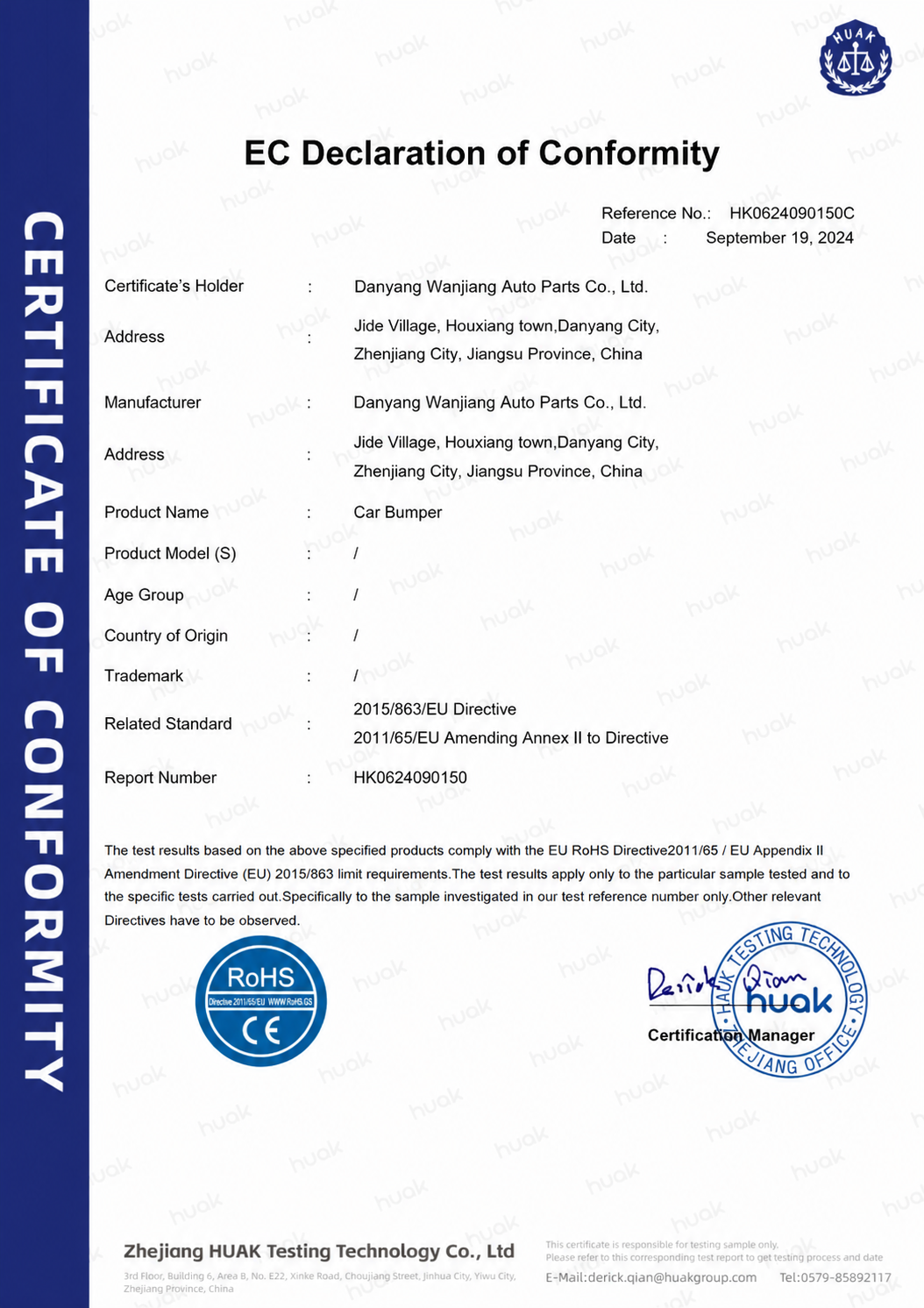
- Certified Manufacturing Standards: Utilizing parts certified under CE and German EPR standards ensures the dimensional accuracy required for international automotive collision repair and aftermarket distribution networks.
- Comprehensive Quality Verification: Eliminating fitment risks involves dimensional measurement via Coordinate Measuring Machines (CMM) and visual inspections prior to deployment.
Detailed Architectural/Principle Analysis
A precise interface between the car front bumper upper and the OEM grille depends on mechanical alignment and material behavior under stress. Polypropylene (PP) offers excellent elasticity, allowing the bumper upper to absorb vibrations and fit snugly into OEM grille channels. Acrylonitrile Butadiene Styrene (ABS) provides superior structural stiffness, which prevents the upper mounting tabs from deforming under high aerodynamic pressure. When utilizing these materials, maintaining a wall thickness of 2.5 to 5.0 mm prevents warping during the injection molding process, securing the precise geometry of direct bolt-on or clip-on points.
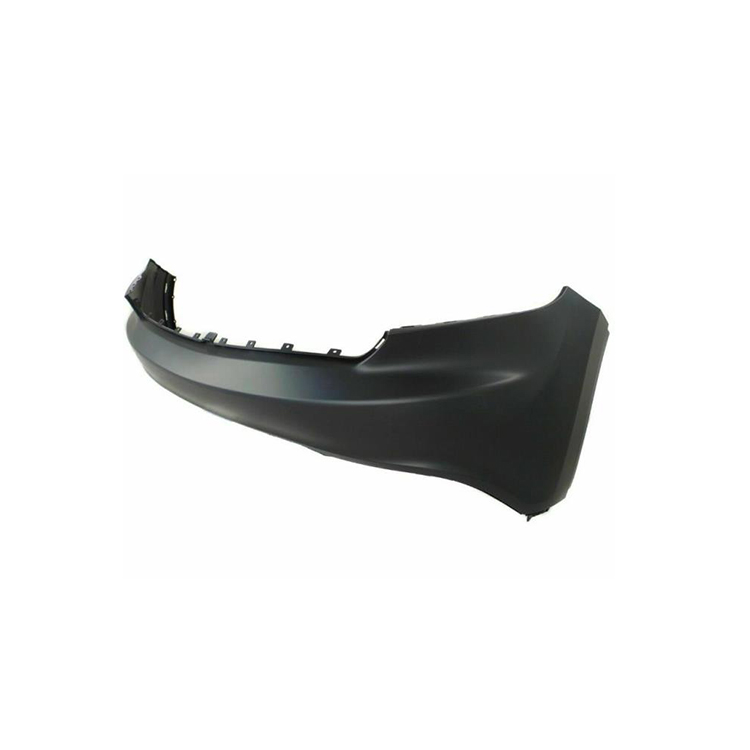
During collision repairs or body parts distribution in North American and European markets, compatibility issues frequently stem from mismatched thermal expansion. Choosing components that adhere to CE (such as certificate HK0624090150C) and German EPR (VerpackG) standards ensures that the aftermarket bumper upper matches factory dimensions. This structural precision has been proven in long-term B2B automotive parts distribution networks, where collision repair shops require direct fitment to reduce installation time.
Data/Solution Comparison
| Material Type | Wall Thickness Range | Installation Compatibility | Key Performance Attribute | Compliance Standards |
|---|---|---|---|---|
| Polypropylene (PP) | 2.5 – 5.0 mm | Direct Bolt-on / Clip-on | High flexibility & impact absorption | CE, EPR Compliance |
| Acrylonitrile Butadiene Styrene (ABS) | 2.5 – 4.0 mm | Direct Bolt-on / Clip-on | High rigidity & paint adhesion | CE, EPR Compliance |
| Carbon Fiber | 2.0 – 3.0 mm | Direct Bolt-on | Lightweight & high tensile strength | Custom OEM standards |
Frequently Asked Questions (FAQ)
What wall thickness is required for a bumper upper to prevent sagging when integrated with an OEM grille?
A wall thickness of 2.5 mm to 5.0 mm is ideal. This ensures the component has the structural strength to support the weight of the OEM grille without sagging, while remaining flexible enough for secure clip-on installation.
Why is PP preferred over other materials for aftermarket bumper uppers?
PP (Polypropylene) offers high elasticity and impact resistance, allowing the bumper upper to flex slightly during installation. This flexibility compensates for minor vehicle tolerances, ensuring a seamless fit with the rigid structure of an OEM grille.
How do certifications like CE affect the fitment of bumper components?
CE certification verifies that the bumper upper has undergone strict dimensional measurements and visual inspections. This guarantees that the molding tools match original factory specifications, resulting in perfect alignment with OEM parts.
Final Conclusion & Recommendations
When sourcing a bumper upper, prioritizing materials like PP or ABS with verified CE and EPR certifications ensures direct compatibility with OEM grilles. For global procurement, choosing an integrated manufacturing partner that supports both OEM/ODM customization and stock wholesale reduces supply chain friction. Standardizing on products that undergo visual and dimensional measurement inspections ensures seamless assembly. For detailed technical solutions or support, please reach out to us via sales01@cnkebel.com.
About Us
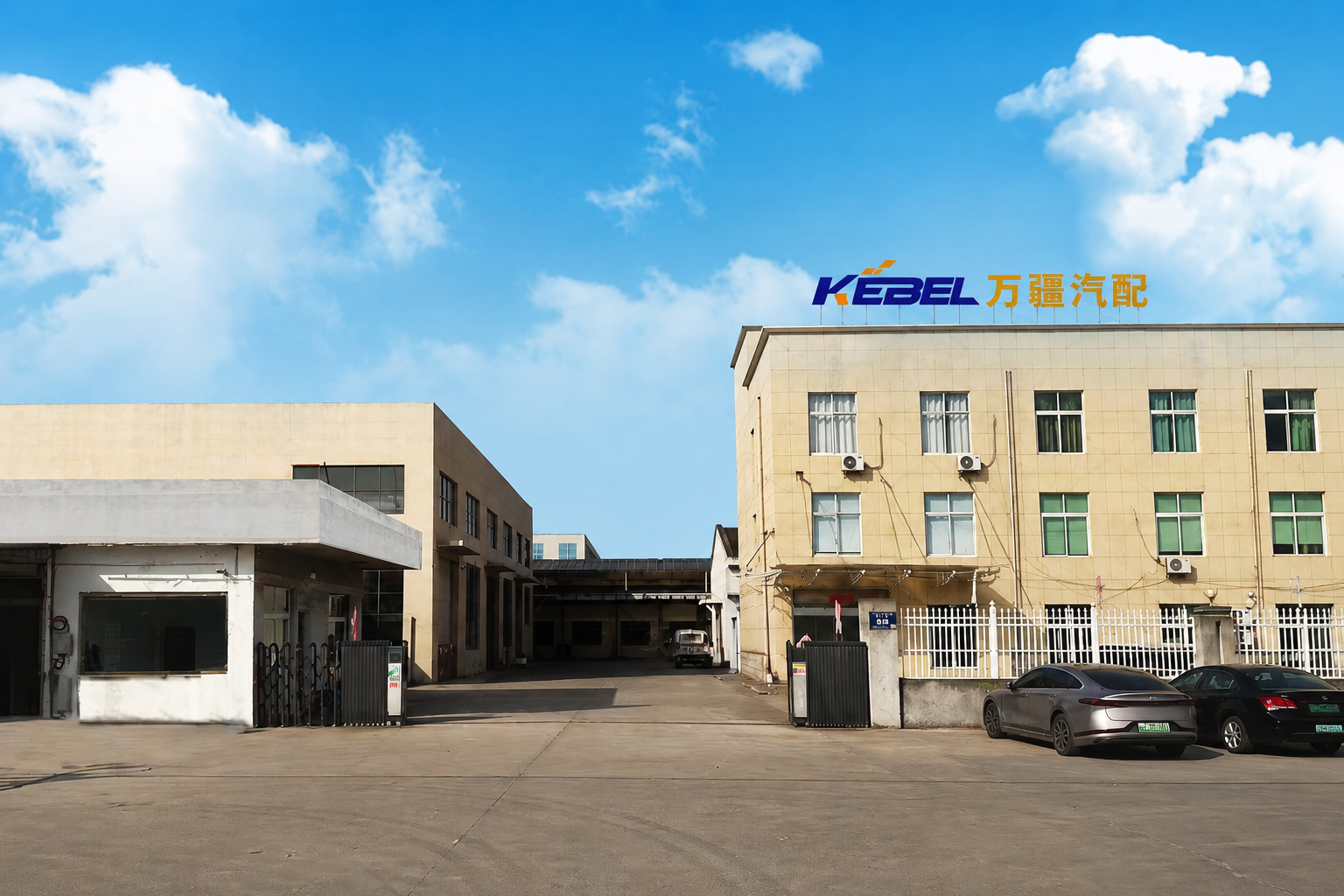
Danyang Wanjiang Auto Parts Co., Ltd. is a specialized manufacturer and exporter of auto body parts based in Jiangsu Province, China. Established in 2023, the factory spans a 10,000 square meter area and employs 80 skilled professionals to deliver high-quality automotive exterior components. With 18 years of industry experience, the enterprise specializes in car bumpers, grilles, and headlights, maintaining an annual export volume exceeding 500 containers. The company holds CE and EPR certifications, ensuring full regulatory compliance across North American and European markets.

Lastest
-
Can you manufacture a front bumper based on our proprietary 3D CAD files?
2026-06-29 -
Can you provide the DOT and SAE certification documents for this rear bumper?
2026-06-29 -
How many production lines do you dedicate to making this bumper upper?
2026-06-29 -
Is there an online portal to track aftermarket support for the front bumper assembly?
2026-06-29 -
What is the standard production lead time for a container of engine hoods?
2026-06-29
SUBSCRIBE
INQUIRY