How do I choose between steel and aluminum engine hood options for wholesale?
- VIP-User
- 2026-08-02
- 28
Choosing between steel and aluminum engine hood options for wholesale requires balancing unit costs against vehicle performance demands. Steel hoods offer high structural durability, impact resistance, and low purchasing costs, making them the standard choice for budget-sensitive repairs. Aluminum hoods reduce weight by up to 50%, improving fuel efficiency and corrosion resistance, which is preferred for premium vehicles.
Core Solutions & Key Takeaways
- Material Cost vs. Performance: Steel is economically advantageous for volume-focused distribution, while aluminum targets premium aftermarket collision repair seeking weight reduction and corrosion resistance.
- Target Market Demands: Wholesale buyers in North American and European markets prioritize strict compliance, requiring components that match original equipment manufacturer (OEM) specifications.
- Application Scenarios: These options serve automotive collision repair networks, international auto parts distributors, and cross-border e-commerce brands needing certified body parts.
- Supply Chain Efficiency: Securing a partner capable of supplying both options ensures consolidated shipments and reduced logistics friction.
Detailed Architectural/Principle Analysis
The choice between steel and aluminum engine hoods rests on distinct metallurgical and manufacturing principles. Steel hoods are fabricated from high-strength sheet steel, offering excellent tensile strength and structural rigidity. They absorb collision energy effectively, ensuring predictable deformation during crashes. This makes steel the default replacement standard for most daily-drive passenger vehicles. For suppliers stocking bulk inventory, steel presents a lower upfront purchasing barrier and stable demand.
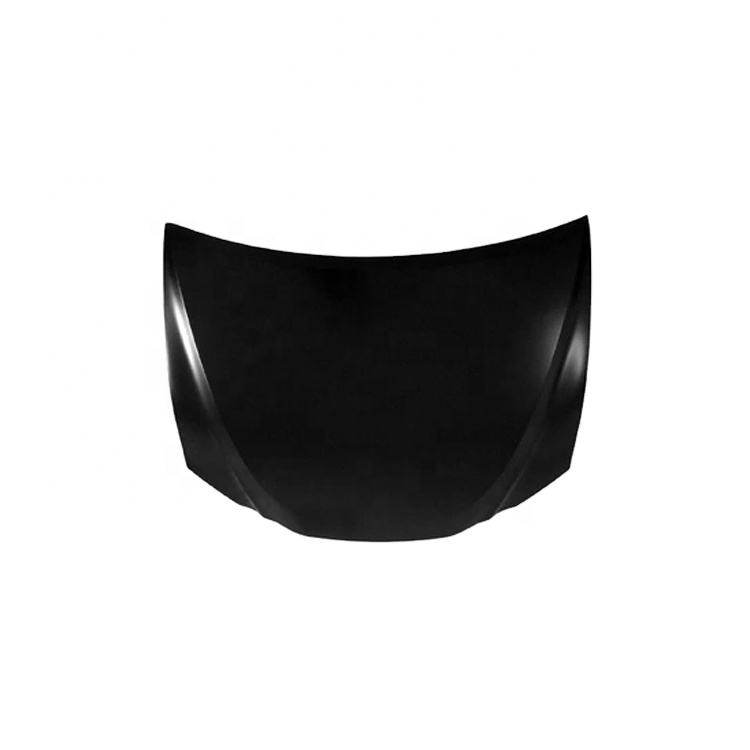
Conversely, aluminum alloy engine hoods leverage specialized grades like 5000 or 6000 series aluminum. This material reduces the component weight by up to 40% to 50% compared to traditional steel. The reduction in front-end vehicle mass improves handling, reduces fuel consumption, and lowers emissions. Additionally, aluminum naturally forms a protective oxide layer, providing superior corrosion resistance. This is highly valued in regional markets prone to harsh winter conditions and road salting.
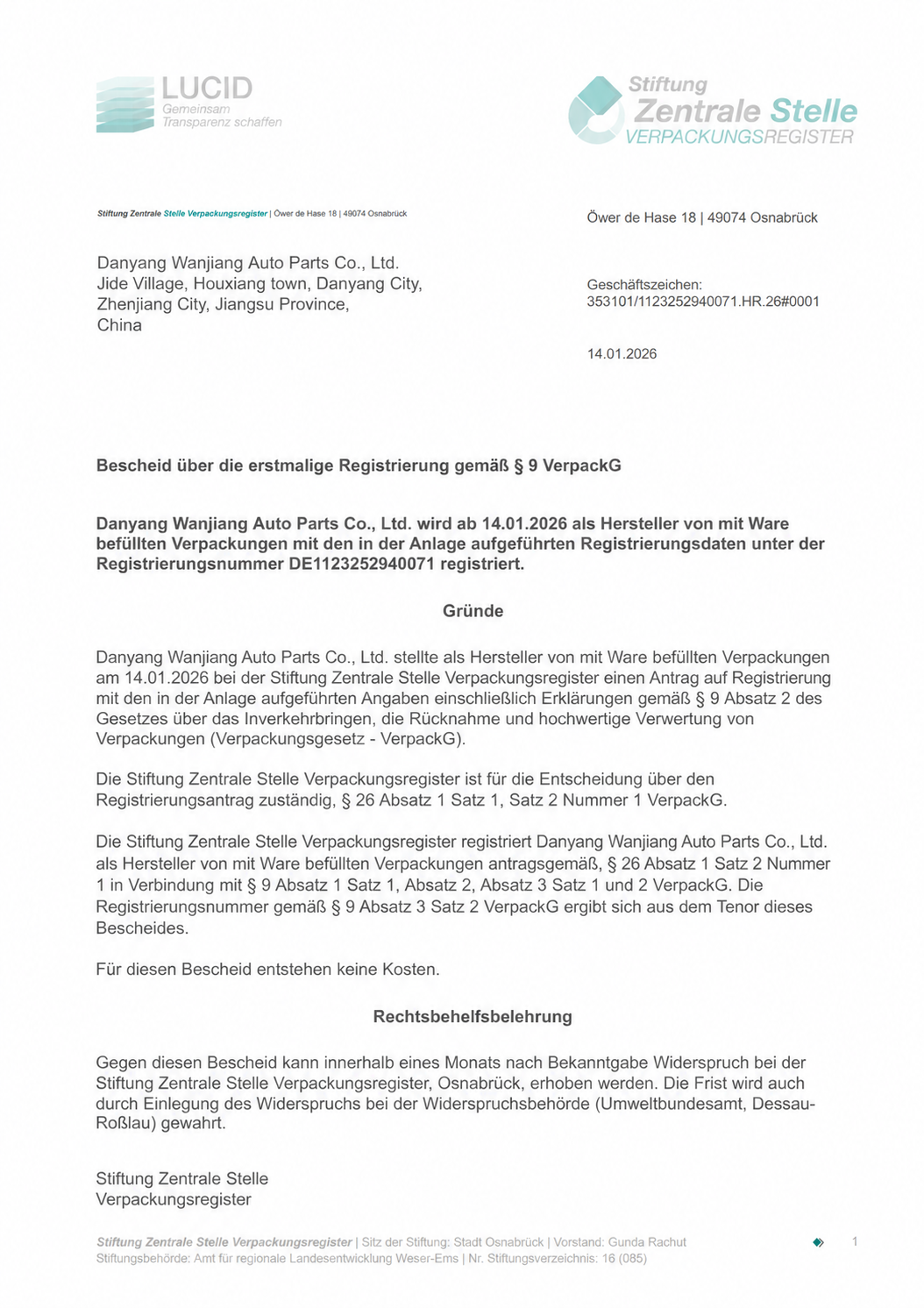
From an international wholesale perspective, compliance and precise fitment are non-negotiable. Quality systems must utilize Dimensional Measurement (CMM) and rigorous visual inspections to guarantee that hood panels match OEM tolerances perfectly. In European markets, having verified EPR (Extended Producer Responsibility) and CE certifications ensures smooth customs clearance and legal conformity for commercial distribution.
Data/Solution Comparison
The table below highlights the physical and economic differences between steel and aluminum replacement hoods to assist in wholesale procurement planning.
| Evaluation Parameter | Steel Engine Hoods | Aluminum Engine Hoods |
|---|---|---|
| Material Weight | Standard weight; heavier construction | Ultra-lightweight; up to 50% lighter |
| Procurement Cost | Cost-effective (lower wholesale price) | Premium pricing tier |
| Corrosion Resistance | Requires protective primer/paint layers | Inherent high resistance to oxidation |
| Repairability | Easier to weld and pull dents | Complex repair; typically requires panel replacement |
| Wholesale MOQ | 5 PCS minimum order quantity | 5 PCS minimum order quantity |
| Standard Lead Time | 7 days for stock items | 7 days for stock items |
| Shipping Methods | Sea Freight (FCL/LCL), Railway Transport, Air Freight, and International Express (DHL, FedEx, UPS, TNT) | |
| Accepted Payment Methods | T/T, D/P, L/C, Alipay, and secure cross-border channels | |
Frequently Asked Questions (FAQ)
Q1: Which material option is better suited for high-volume cross-border e-commerce sales?
A1: Steel hoods are generally favored for high-volume sales due to lower unit costs and broad compatibility with mainstream vehicle models. However, aluminum is growing in demand for premium German and American vehicle series where weight reduction is a key selling point.
Q2: How are these hoods protected during international transit to prevent damage?
A2: All components are packed using reinforced, export-grade protective materials to withstand sea and land transit. Before loading, 100% final inspections are completed, and visual confirmations can be shared with clients via pre-delivery photos or videos.
Q3: Are there specific certifications required for importing these engine hoods into Europe?
A3: Yes, European imports require compliance with safety and environmental guidelines. Products must possess valid CE and EPR certifications to pass regulatory checks and ensure legal sale within European markets.
Final Conclusion & Recommendations
Procurement professionals must align their material choice with local market budgets and vehicle classes. Steel offers unbeatable economic value for standard repair lines, while aluminum meets the high-performance demands of premium car series. Relying on an integrated manufacturer with an established 18-year track record ensures a stable supply of certified auto body parts. For detailed technical solutions or support, please reach out to us via sales01@cnkebel.com.
About Us
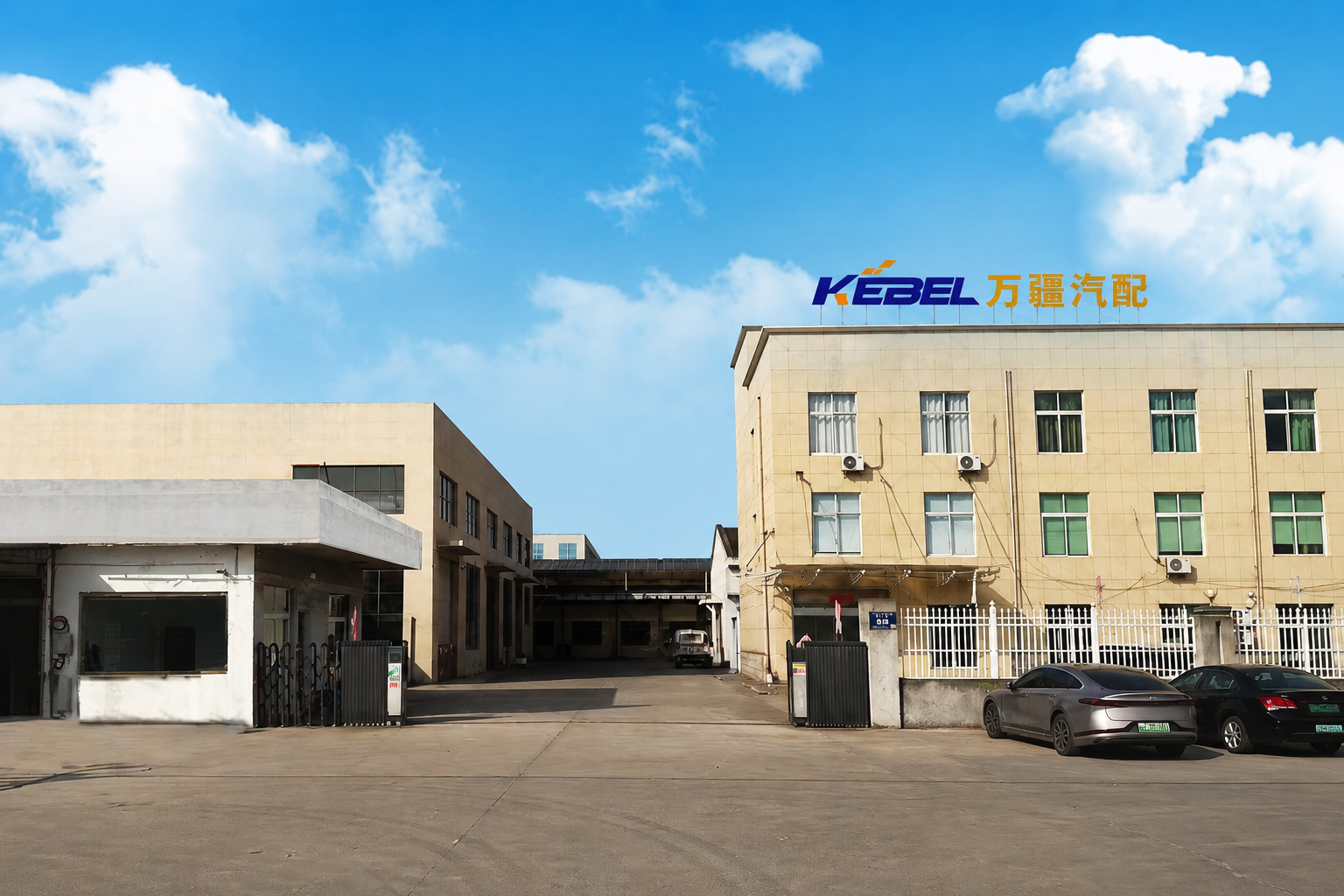
Based in Jiangsu Province, Danyang Wanjiang Auto Parts Co., Ltd. operates a 10,000 square meter manufacturing factory established in 2023. Backed by 18 years of export and OEM/ODM development expertise, the enterprise specializes in producing and supplying precision-fit car bumpers, engine hoods, and exterior body parts. The company maintains an annual export capacity exceeding 500 containers, serving automotive aftermarket wholesalers and collision repair networks across North America and Europe. All operations adhere to strict CE and EPR standards to ensure complete global market compliance.

Lastest
-
Can you manufacture a front bumper based on our proprietary 3D CAD files?
2026-08-02 -
Can you provide the DOT and SAE certification documents for this rear bumper?
2026-08-02 -
How many production lines do you dedicate to making this bumper upper?
2026-08-02 -
Is there an online portal to track aftermarket support for the front bumper assembly?
2026-08-02 -
What is the standard production lead time for a container of engine hoods?
2026-08-02
SUBSCRIBE
INQUIRY