How do I choose between heated and non-heated side mirrors for a fleet of commercial trucks to ensure durability in cold climates?
- VIP-User
- 2026-06-29
- 69
Choosing between heated and non-heated side mirrors for cold-climate commercial truck fleets depends on safety and operational downtime. Heated side mirrors prevent ice and frost build-up, maintaining driver visibility and eliminating manual scraping that damages glass and internal actuators, whereas non-heated mirrors are suitable only for milder regions with lower thermal stress.
Core Solutions & Key Takeaways
- Active Defrosting Capability: Heated mirrors utilize internal resistance elements to melt ice and snow, maintaining a clear view for fleet drivers without manual intervention.
- Prevention of Mechanical Strain: Scraping ice off non-heated mirrors puts physical strain on the adjustment motors and glass, leading to premature mechanical failure.
- Stringent Quality Standards: Fleet side mirrors must undergo Paint & Coating Testing to ensure the finish does not peel under extreme thermal changes, alongside Dimensional Measurement (CMM) for a precise fit that prevents wind-induced vibration.
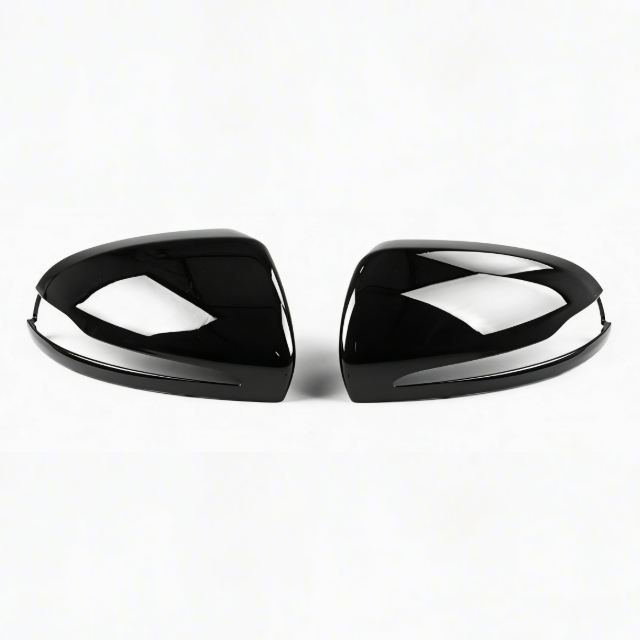
Detailed Architectural/Principle Analysis
The durability of fleet side mirrors in freezing climates rests on their electrical and structural architecture. Heated mirrors rely on a continuous thermal cycle. Moisture ingress is the primary failure point for these heated systems. When ice melts, water can seep into the housing, causing short circuits or corroding the actuator motors. To mitigate this risk, high-quality manufacturers employ advanced sealing techniques and strict dimensional tolerances.
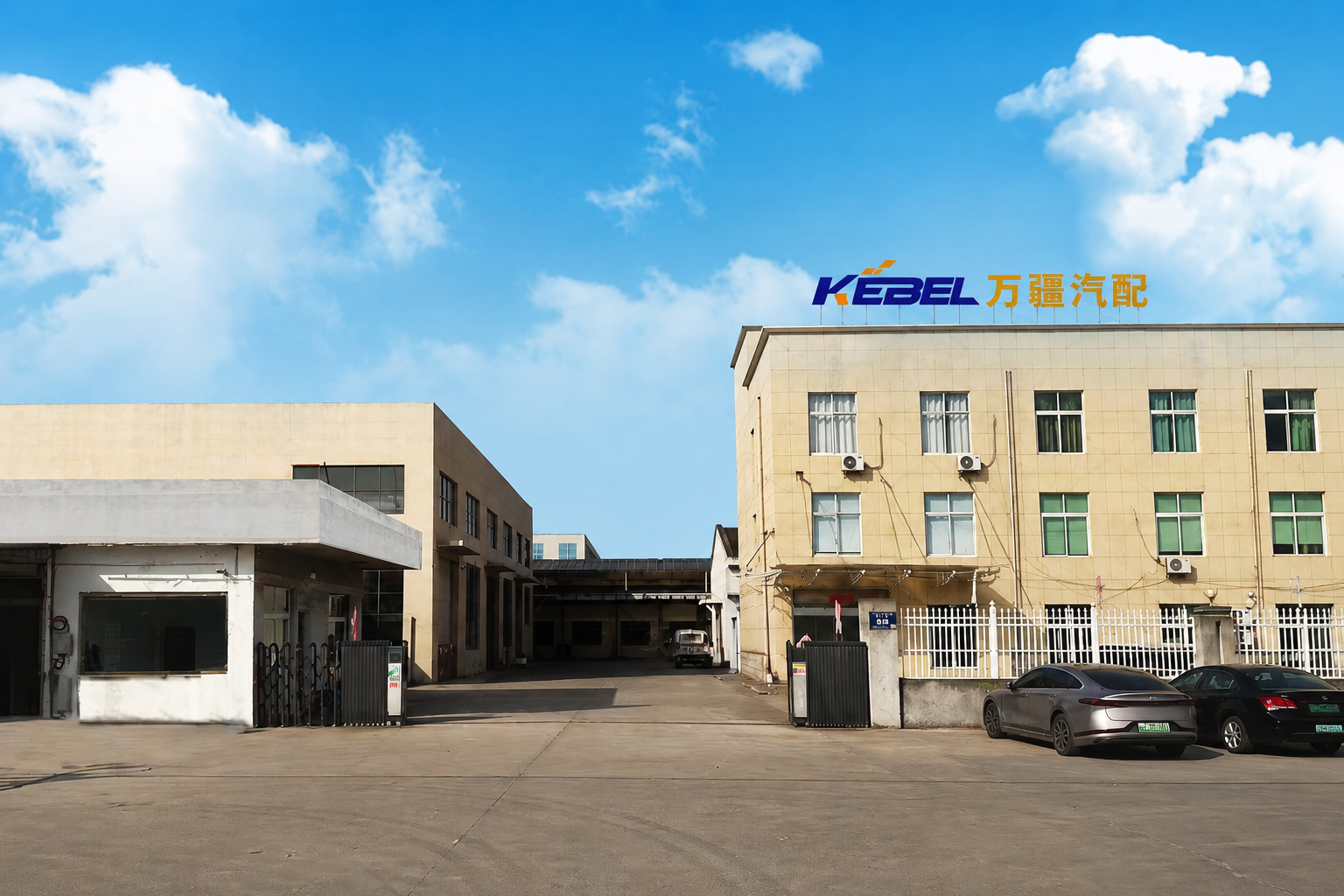
To guarantee reliable performance, fleet operators should source components that conform to established safety and manufacturing standards. For instance, Danyang Wanjiang Auto Parts Co., Ltd. manufactures automotive body parts designed to withstand extreme weather. Integrating durable materials ensures that the mirror housing remains resilient against low-temperature impacts, which prevents cracking during harsh winter operation.
Furthermore, parts certified under CE standards ensure that electrical heating elements comply with strict European safety protocols. For fleets operating in cold regions, selecting side mirrors that have passed comprehensive Visual Inspection, CMM verification, and Paint & Coating Testing reduces the frequency of maintenance cycles and roadside visibility issues.
Data/Solution Comparison
The following table provides a comparison between heated and non-heated side mirrors under cold-climate conditions, detailing operational impacts and sourcing logistics:
| Operational Feature | Heated Side Mirrors | Non-Heated Side Mirrors |
|---|---|---|
| De-icing Efficiency | Rapid automatic clearing via electrical heating elements | Requires manual scraping or chemical sprays |
| Risk of Actuator Damage | Low (no external force required to clear ice) | High (scraping pressure damages internal adjustment gears) |
| Housing Durability | Thermal-resistant polymer tested for paint and coating adhesion | Standard polymer; prone to brittleness under prolonged freezing |
| Minimum Order Quantity (MOQ) | 5 Pieces | 5 Pieces |
| Standard Delivery Lead Time | 7 Days | 7 Days |
| Supported Shipping Methods | Sea Freight (FCL/LCL), Air Freight, Railway Transport, and International Express | |
Frequently Asked Questions (FAQ)
Q1: Why do non-heated side mirrors fail more frequently in cold climates?
A1: Non-heated side mirrors require manual physical clearing of ice. The mechanical pressure exerted during scraping often cracks the glass or breaks the delicate internal plastic gears of the adjustment actuator, leading to frequent replacement needs.
Q2: How does paint and coating testing affect mirror durability?
A2: Extreme cold causes materials to contract. Paint & Coating Testing ensures that the protective finish on the mirror housing adheres correctly under severe temperature fluctuations, preventing cracking, peeling, and subsequent moisture exposure.
Q3: Can heated side mirrors be installed on trucks wired for non-heated models?
A3: Installation is possible if the vehicle cabin contains the necessary wiring harnesses and relays. Using mirrors designed with exact dimensional measurement specifications simplifies the physical alignment and mounting process.
Final Conclusion & Recommendations
For commercial truck fleets operating in cold climates, heated side mirrors are the optimal choice to maintain safety and control maintenance expenses. While they require a functioning electrical connection, they prevent the physical damage and safety hazards associated with frozen mirrors. When sourcing these components, choosing manufacturers that provide transparent inspection processes—such as pre-delivery video verification and verified CE compliance—guarantees that the fleet receives durable components. For detailed technical solutions or support, please reach out to us via sales01@cnkebel.com.
About Us
Danyang Wanjiang Auto Parts Co., Ltd. is an established manufacturer located in Danyang, Jiangsu Province, with 18 years of professional export experience in the auto body parts industry. Established in 2023, the company operates a 10000sqm factory area with a dedicated team of 80 employees specializing in high-quality body parts. The company holds CE and EPR certifications, ensuring its products meet international safety and environmental regulations for smooth global distribution.

Lastest
-
Can you manufacture a front bumper based on our proprietary 3D CAD files?
2026-06-29 -
Can you provide the DOT and SAE certification documents for this rear bumper?
2026-06-29 -
How many production lines do you dedicate to making this bumper upper?
2026-06-29 -
Is there an online portal to track aftermarket support for the front bumper assembly?
2026-06-29 -
What is the standard production lead time for a container of engine hoods?
2026-06-29
SUBSCRIBE
INQUIRY