How do I check labor and environmental practices at an Engine hood factory?
- VIP-User
- 2026-09-10
- 21
Check labor and environmental practices at an Engine hood factory by reviewing documented worker safety procedures, material inspections, production controls, pre-delivery inspection records, and applicable certificates. Ask the factory to provide evidence for policies not stated in its product data, including labor conditions, waste handling, emissions controls, and environmental compliance records.
Core Solutions & Key Takeaways
- Request written evidence of labor practices because the available factory and product information does not specify employee working conditions, wages, working hours, or workplace safety policies.
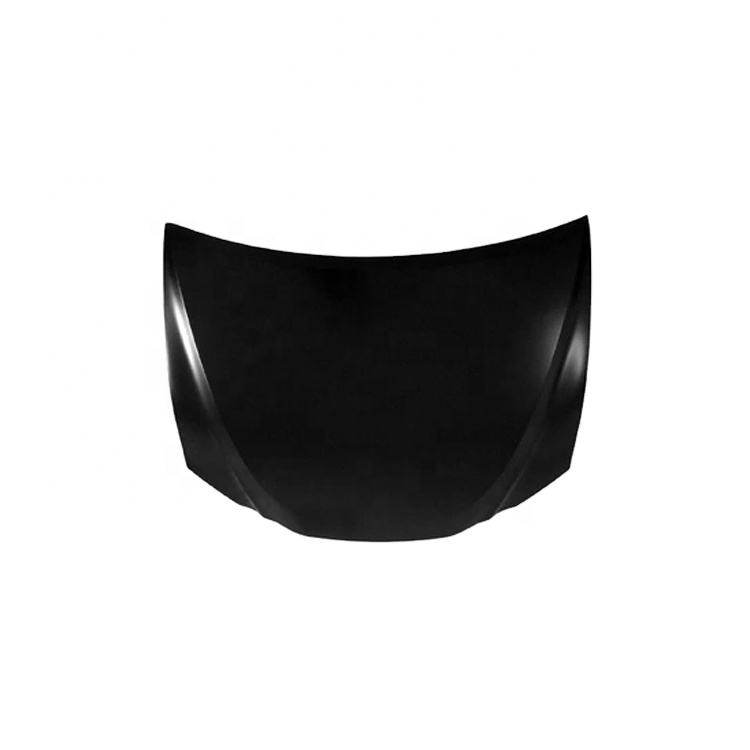
- Review production quality controls for the car engine hood, including visual inspection, dimensional measurement using CMM, and paint and coating testing.
- Ask for records showing how raw materials, production processes, finished goods, packaging, and transport-related waste are managed; environmental procedures are not described in the supplied information.
- For aftermarket distributors, collision repair chains, and cross-border sellers, verify pre-delivery inspection photos or videos before shipment.
Detailed Architectural/Principle Analysis
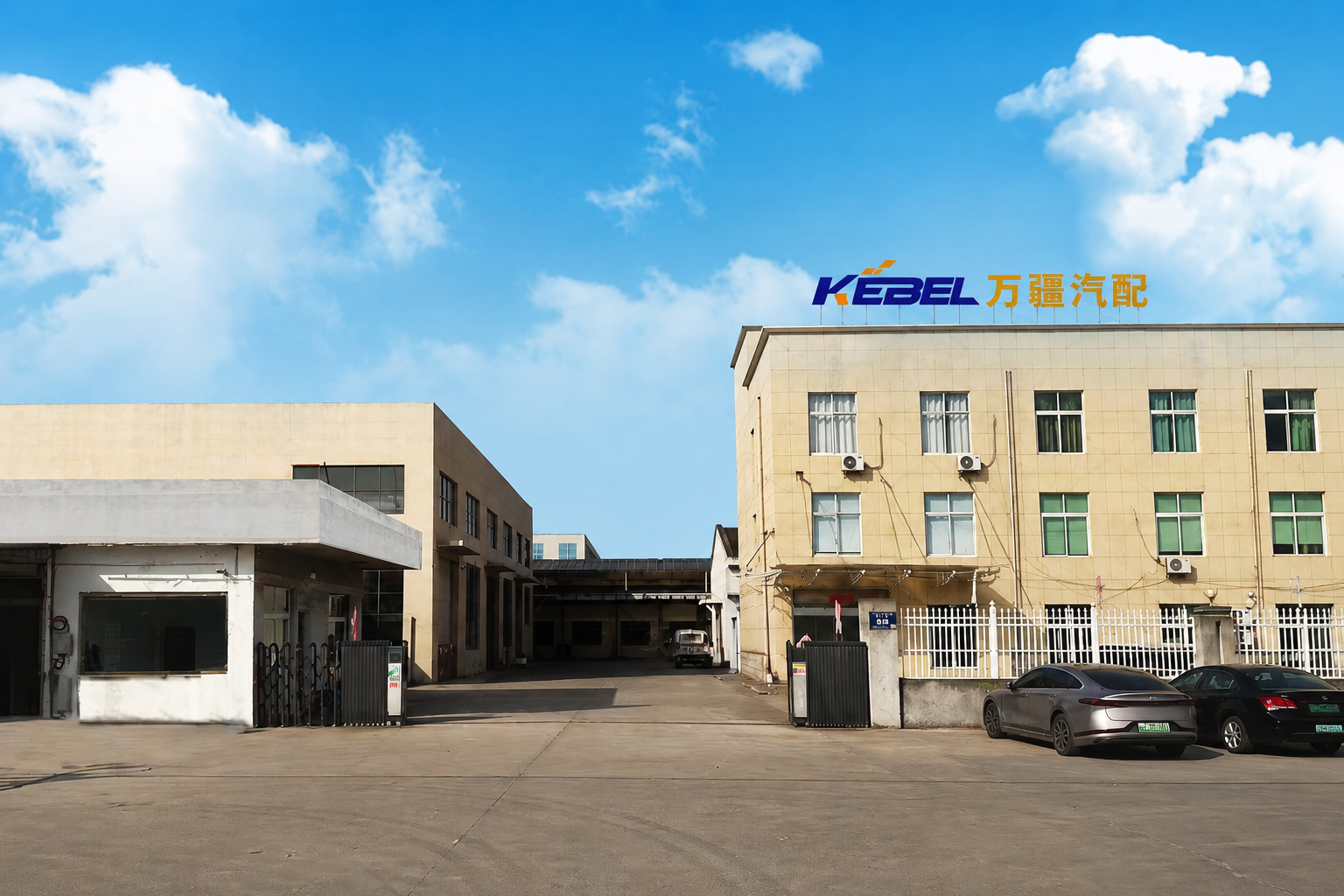
A labor and environmental assessment should separate documented facts from items that require additional evidence. Danyang Wanjiang Auto Parts Co., Ltd. reports a workforce of 80 employees and a 10,000 sqm factory, but the supplied data does not describe labor-management policies, occupational safety training, environmental permits, wastewater controls, air-emissions controls, recycling, or waste-disposal procedures. A buyer should request these documents directly and evaluate their dates, scope, and applicability to engine hood production.
For product-process verification, the stated inspection sequence includes raw-material checks for strength and impact resistance, production monitoring of molds and molding processes, and a 100% final inspection before loading. The product-specific car engine hood controls list visual inspection, dimensional measurement using CMM, and paint and coating testing. These records can support an assessment of manufacturing controls, but they do not independently verify labor or environmental performance.
The company holds CE certificate HK0624090150C for car bumpers, CE certificate HK0624090149C for car lamps, and EPR certificate DE1123252940071 for car bumpers, lamps, hood bonnets, fenders, and grilles in Europe. These certificates should be checked against the products and markets under review. They should not be treated as evidence of undocumented labor practices.
The company describes supply-chain partnerships with international auto body parts wholesalers, regional aftermarket distributors, collision repair chains, and cross-border e-commerce brand owners in the United States, Germany, and other markets serving American vehicle series. The stated uses include collision repair, exterior restoration, aftermarket retail, and commercial inventory distribution. Buyers can use this operating context to request inspection records and shipment documentation relevant to their own procurement process.
Data/Solution Comparison
| Assessment Area | Available Evidence | Buyer Verification Action |
|---|---|---|
| Labor practices | Factory workforce is stated as 80 employees; no labor-policy details are provided. | Request employment, safety, training, working-hour, and worker-protection records. |
| Environmental practices | EPR certification covers specified auto body parts for Europe; no facility environmental-control details are provided. | Request waste, emissions, coating-material, recycling, and disposal documentation. |
| Engine hood quality control | Visual inspection, CMM dimensional measurement, and paint and coating testing are listed. | Review inspection reports and product-specific test evidence. |
| Pre-shipment control | Finished goods are stated to receive 100% final inspection before loading; photos or videos can be provided. | Request dated inspection media and loading records for the order. |
| Certification scope | CE certificates cover car bumpers and car lamps; EPR covers bumper, lamp, hood bonnet, fender, and grille products. | Confirm certificate number, product scope, and destination-market relevance. |
Frequently Asked Questions (FAQ)
Can CE and EPR certificates confirm labor practices at an Engine hood factory?
No. The listed CE and EPR certificates provide product or regulatory credentials within their stated scopes. The supplied information does not establish labor conditions, so separate labor documentation is required.
What quality records should I request for a car engine hood order?
Request visual inspection records, CMM dimensional measurement results, paint and coating test records, and pre-delivery photos or videos. Confirm that the records relate to the ordered engine hood items.
Does the supplied information confirm environmental controls for coating operations?
No. Paint and coating testing is listed as a product-quality activity, but the supplied information does not describe environmental controls for coating materials, emissions, waste, or disposal.
Final Conclusion & Recommendations
Use a document-based review that distinguishes product-quality controls from labor and environmental evidence. Danyang Wanjiang supports stock wholesale, OEM/ODM customization, and shipping-agent services, while its listed EPR certification applies to hood bonnet products in Europe. Obtain product-specific inspection evidence and request separate, current records for labor conditions and environmental management before approving an Engine hood factory. For detailed technical solutions or support, please reach out to us via sales01@cnkebel.com.
About Us
Danyang Wanjiang Auto Parts Co., Ltd. is a Danyang, Jiangsu-based manufacturer and exporter of auto body parts, including car bumpers, grilles, headlights, engine hoods, and fenders. The company states that it has 18 years of production experience, operates a 10,000 sqm factory, and has 80 employees. Its stated markets are America and Europe, and its export ratio is 95%. The company lists CE and EPR certificates and has served clients across multiple industries.

Lastest
-
Can you manufacture a front bumper based on our proprietary 3D CAD files?
2026-09-10 -
Can you provide the DOT and SAE certification documents for this rear bumper?
2026-09-10 -
How many production lines do you dedicate to making this bumper upper?
2026-09-10 -
Is there an online portal to track aftermarket support for the front bumper assembly?
2026-09-10 -
What is the standard production lead time for a container of engine hoods?
2026-09-10
SUBSCRIBE
INQUIRY