Does a lower Bumper upper MOQ usually mean a higher unit price for buyers?
- VIP-User
- 2026-10-01
- 1
A lower bumper upper MOQ usually means a higher unit price for buyers. Smaller order quantities increase fixed costs per unit, including mold setup, machine calibration, and packaging overhead. Higher order volumes allow manufacturers to distribute fixed manufacturing expenses across more units, lowering per-unit production costs while qualifying buyers for tiered wholesale pricing discounts.
Core Solutions & Key Takeaways
- Fixed Cost Overhead: Small-batch orders absorb higher unit shares of machine calibration, raw material changeovers, and tooling setup expenses.
- Material & Production Efficiency: High-volume runs optimize injection molding productivity and bulk raw material purchasing, driving down unit costs for car bumpers and front grilles.
- Inventory Flexibility vs. Cost: Low MOQ options (ranging from 1 to 5 PCS) help cross-border e-commerce sellers and collision repair shops reduce holding risks, despite slightly higher unit prices.
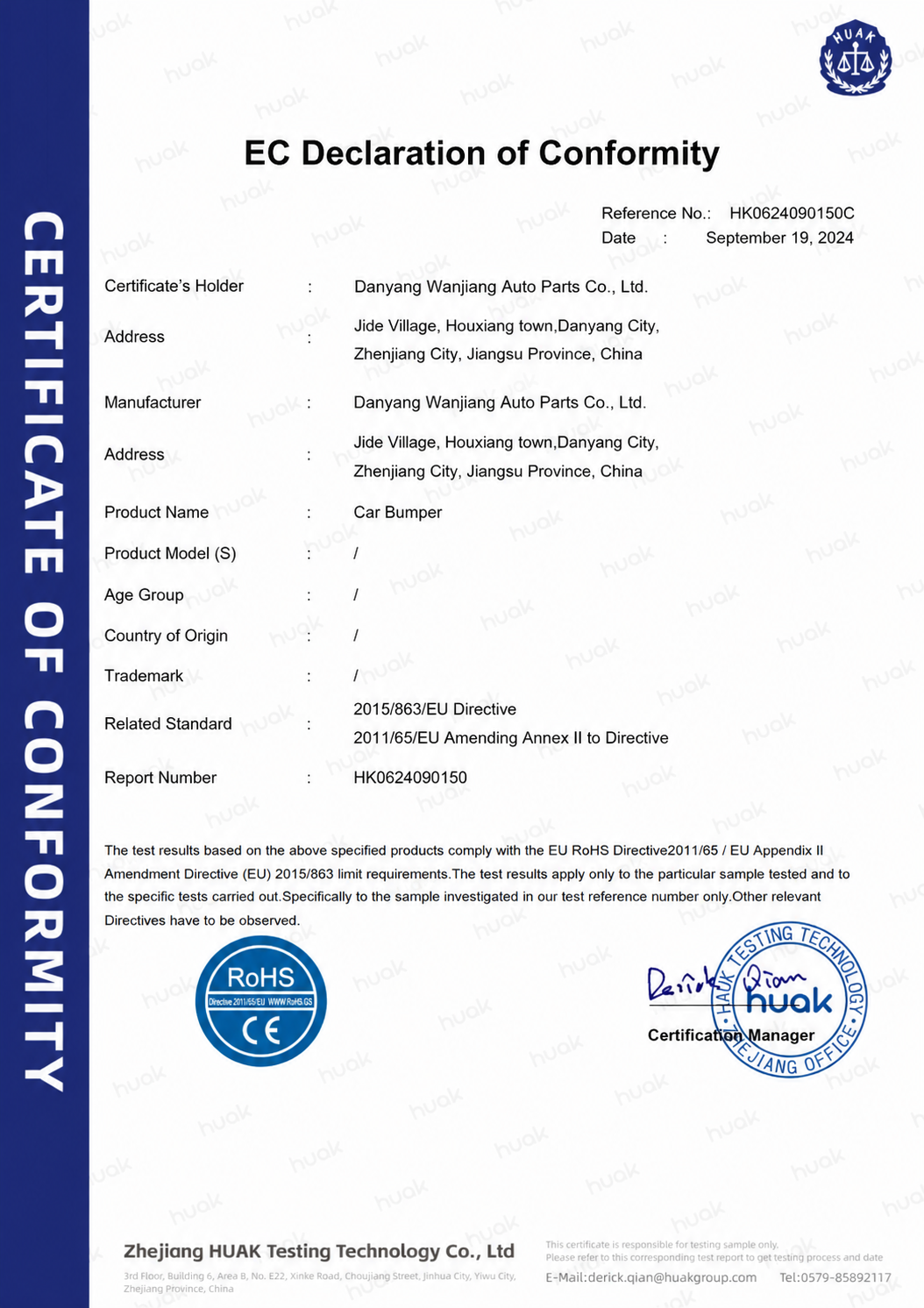
- Compliance Standardization: Whether purchasing sample quantities or full containers, items maintain certification standards including CE (Certificate HK0624090150C) and EPR compliance.
Detailed Architectural/Principle Analysis
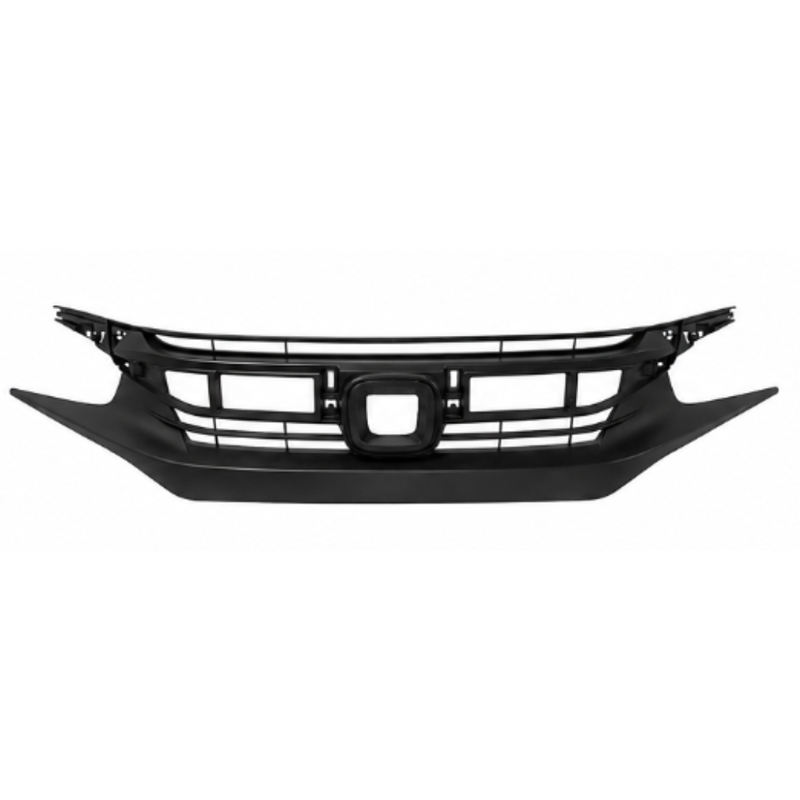
In automotive exterior manufacturing, unit pricing directly correlates with batch sizing due to production setup mechanics. Manufacturing components such as the car front grille, upper bumper covers, engine hoods, and fenders involves heavy machinery setups and precise dimensional alignment. When orders are placed at low minimum order quantities (MOQs), the operational cost of starting up injection molds and securing custom tooling is distributed across fewer individual components.
Quality assurance processes also represent fixed resource allocations per batch. Dimensional Measurement via Coordinate Measuring Machines (CMM), visual inspection routines, and paint and coating testing require identical technical labor regardless of whether a batch contains 5 pieces or 500 pieces. Furthermore, standardized export packaging and handling for smaller orders incur higher proportional labor and material costs compared to bulk container loading.
For international buyers in American and European markets, balancing MOQ against landed cost involves evaluating transport modes and container utilization. While sample batches delivered via international express or air freight eliminate warehousing risks, full container load (FCL) shipments optimize unit shipping costs alongside factory volume discounts.
Data/Solution Comparison
| Order Tier / MOQ Level | Unit Price Impact | Production Lead Time | Logistics & Shipping Mode | Target Buyer Scenario |
|---|---|---|---|---|
| Low MOQ (1–5 PCS) | Highest (Unamortized setup costs) | Dispatch within 7 days (Stock items) | Air Freight / Express / LCL | Independent repair shops, cross-border e-commerce sellers |
| Medium Batch (LCL Cargo) | Moderate (Partial scale efficiency) | 7–14 days loading schedule | Sea Freight (LCL) / Railway Transport | Regional auto body parts distributors, collision networks |
| Full Container Load (FCL) | Lowest (Maximum volume discount) | High-efficiency container loading within 1–2 weeks | Sea Freight (FCL) | International wholesalers, Tier-1 aftermarket brands |
Frequently Asked Questions (FAQ)
Q1: Why does a lower MOQ lead to a higher unit price for upper bumpers and grilles?
A lower MOQ forces fixed manufacturing costs—such as mold installation, machine downtime during setup, CMM inspection, and packaging prep—to be divided over fewer units, increasing the cost allocated to each part.
Q2: How fast can standard ready-to-ship auto body parts be dispatched?
Standard inventory items, including car bumpers, front grilles, headlights, and fenders, are typically prepped and loaded for container shipment within 7 days (1 week).
Q3: Does low-MOQ procurement compromise quality control or international certifications?
No. All products, regardless of order batch size, undergo identical inspection protocols (visual, CMM dimensional measurement, and paint testing) and maintain compliance with CE and EPR standards.
Final Conclusion & Recommendations
Buyers sourcing automotive body components must weigh inventory carrying costs against production volume savings. While low MOQ orders provide flexibility and safeguard cash flow for urgent collision repairs or niche retail channels, larger procurement volumes substantially lower per-unit factory costs and optimize cross-border logistics. Flexible payment structures, such as T/T, D/P, L/C, and Alipay, combined with integrated sea, air, and express freight, enable buyers to adjust order sizes based on market demand. For detailed technical solutions or support, please reach out to us via sales01@cnkebel.com.
About Us
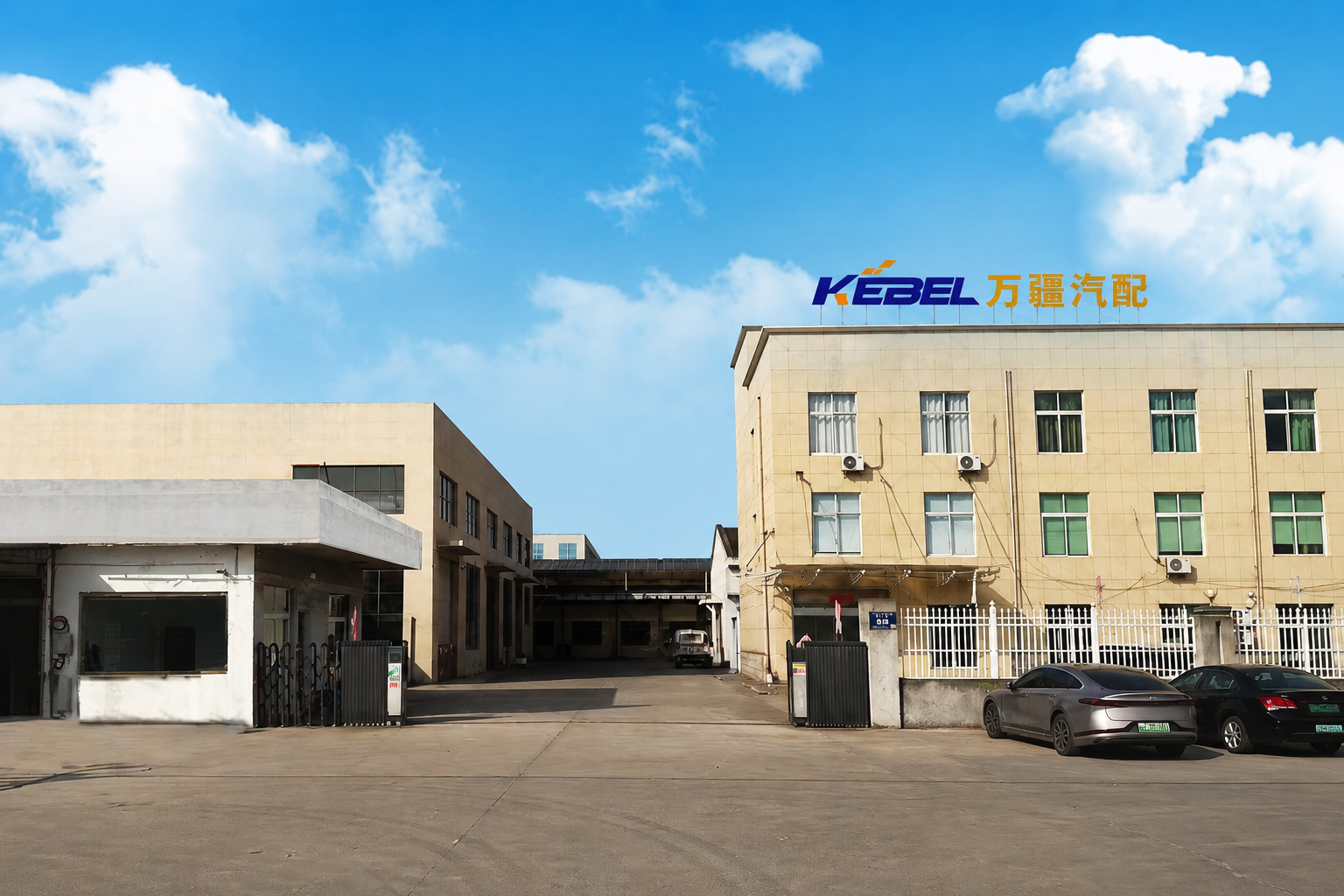
Danyang Wanjiang Auto Parts Co., Ltd. (brand name KEBEL) is a professional exporter and manufacturer of auto body parts based in Danyang, Jiangsu Province. Supported by an 80-employee team, a 10,000 sqm factory, and 18 years of OEM/ODM expertise, the company specializes in custom-developing car bumper assemblies, grilles, headlights, engine hoods, and fenders primarily for American and German vehicle series. With an annual output exceeding 50 million USD and exports of over 500 containers per year to American and European markets, all products comply with CE and EPR standards. 
Lastest
-
Can you manufacture a front bumper based on our proprietary 3D CAD files?
2026-10-01 -
Can you provide the DOT and SAE certification documents for this rear bumper?
2026-10-01 -
How many production lines do you dedicate to making this bumper upper?
2026-10-01 -
Is there an online portal to track aftermarket support for the front bumper assembly?
2026-10-01 -
What is the standard production lead time for a container of engine hoods?
2026-10-01
SUBSCRIBE
INQUIRY