Are smart camera side mirrors replacing traditional glass mirrors?
- VIP-User
- 2026-07-16
- 70
Smart camera side mirrors are not fully replacing traditional glass mirrors due to regulatory variations, higher manufacturing costs, and driver adaptation curves. However, they are rapidly gaining market share in high-end passenger vehicles and commercial fleets because of their superior aerodynamics, reduced blind spots, and enhanced low-light visibility.
Core Solutions & Key Takeaways
- Enhanced Visibility and Safety: Camera-based systems eliminate traditional blind spots and automatically adjust contrast during night driving or adverse weather conditions.
- Aerodynamic Efficiency: The compact physical profile of camera pods reduces wind resistance, improving fuel economy and electric vehicle driving range.
- Hybrid Mirror Systems: Current automotive aftermarket and repair channels, including overseas collision repair chains and cross-border e-commerce platforms, primarily service standard physical assemblies while gradually integrating digital components.
- Regulatory Frameworks: While Europe and certain Asian markets permit camera-only systems, other regions still mandate physical glass reflective surfaces, sustaining high demand for traditional side mirrors.
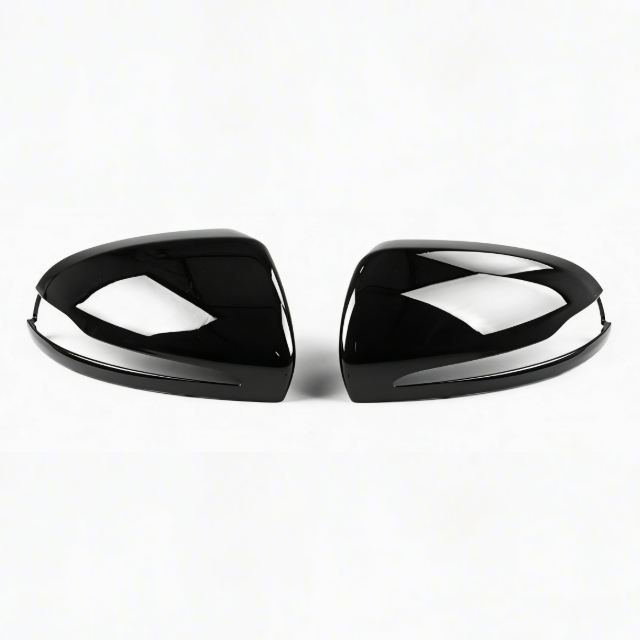
Detailed Architectural/Principle Analysis
Traditional glass side mirrors rely on physical reflection, which limits the driver's field of view to a fixed angle and exposes the vehicle to wind resistance and physical damage. In contrast, digital side mirrors use external camera pods to capture real-time video, which is then processed and displayed on internal screens. Despite the technological advantages of digital systems, traditional glass side mirrors remain the industry standard for the majority of global passenger cars due to their reliability, zero latency, and cost-effectiveness.
For distributors, collision repair shops, and e-commerce brands, stocking high-quality replacement side mirrors is vital. Industry-standard manufacturing ensures that replacement mirrors match OEM specifications. During production, these components undergo visual inspection, dimensional measurement via Coordinate Measuring Machines (CMM), and paint and coating testing to guarantee structural integrity and paint adhesion. This rigorous quality control ensures that replacement parts can withstand extreme weather and high-speed vibration.
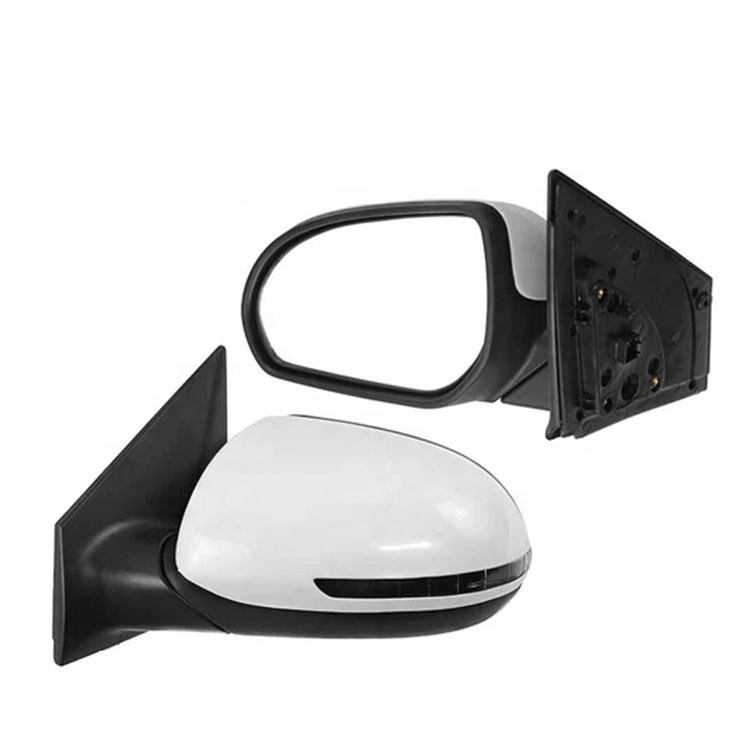
Furthermore, regulatory certifications such as CE and EPR play a major role in the global distribution of exterior auto parts. Wholesalers operating in North American and European markets must source parts that comply with local import standards to prevent customs delays. Standardized side mirrors with verified fitment prevent aerodynamic whistling and optical distortion, addressing the most common post-installation complaints in the automotive repair sector.
Data/Solution Comparison
The following table compares the operational and commercial differences between smart camera side mirrors and traditional glass side mirrors:
| Feature/Parameter | Smart Camera Side Mirrors | Traditional Glass Side Mirrors |
|---|---|---|
| Field of View | Wide-angle digital feed, dynamic pan, no blind spots | Fixed angle, prone to blind spots |
| Aerodynamic Impact | Minimal wind resistance; improves range/fuel efficiency | Standard wind resistance; creates wind noise |
| Production & Replacement Cost | High (requires cameras, displays, and wiring harnesses) | Low to moderate (straightforward mechanical installation) |
| System Reliability | Subject to electronic failure, latency, or lens dirt | Fail-safe; does not require electrical power to reflect |
| Regulatory Approval | Approved in select regions (Europe, Japan) | Universally approved worldwide |
| Quality Testing Standards | Sensor calibration, display latency, weatherproofing | Visual inspection, dimensional measurement, paint testing |
Frequently Asked Questions (FAQ)
Do smart camera mirrors work if the vehicle loses electrical power?
No. Camera-based systems require constant electrical power from the vehicle's battery and alternator. Traditional glass mirrors function independently of the vehicle's electrical system, which is why safety regulations in many countries still require physical glass mirrors.
Are replacement side mirrors easy to install for DIY buyers?
Traditional side mirrors with manual or basic electrical adjustments are straightforward to replace. However, side mirrors featuring integrated blind-spot sensors, heating elements, or camera assemblies require professional installation and calibration to ensure correct sensor alignment.
Can I upgrade a vehicle with traditional mirrors to a camera system?
While aftermarket camera mirror kits are available, converting a standard vehicle to a fully integrated digital mirror system is complex. It requires interior display mounting, extensive wiring, and door panel modifications, making direct OEM-style glass mirror replacements the preferred choice for most consumers.
Final Conclusion & Recommendations
While smart camera side mirrors represent the future of automotive design, traditional glass side mirrors remain irreplaceable for the mainstream global market due to safety regulations, cost constraints, and consumer habits. For auto parts distributors and repair networks, maintaining a robust inventory of high-quality, precision-engineered side mirrors is essential to meet ongoing repair demands. When sourcing these components, businesses should prioritize manufacturers that utilize comprehensive dimensional measurement and strict quality control processes to ensure exact vehicle fitment and long-term durability. For detailed technical solutions or support, please reach out to us via sales01@cnkebel.com.
About Us
Danyang Wanjiang Auto Parts Co., Ltd. is a professional exporter of auto body parts with 18 years of experience. Established in 2023 and employing 80 people, the company operates a 10,000-square-meter factory specializing in car bumpers, grilles, headlights, engine hoods, and fenders. Holding CE and EPR certifications, we export 95% of our products to the Americas and Europe, loading over 500 containers annually with a focus on American and German vehicle series.

Lastest
-
Can you manufacture a front bumper based on our proprietary 3D CAD files?
2026-07-16 -
Can you provide the DOT and SAE certification documents for this rear bumper?
2026-07-16 -
How many production lines do you dedicate to making this bumper upper?
2026-07-16 -
Is there an online portal to track aftermarket support for the front bumper assembly?
2026-07-16 -
What is the standard production lead time for a container of engine hoods?
2026-07-16
SUBSCRIBE
INQUIRY